


For a city of its size, Belfast and its surrounding region have produced a remarkable run of artists who reshaped popular music across multiple decades and genres. Northern Ireland’s capital, now Ireland’s only UNESCO City of Music, has earned a reputation that stretches far beyond its borders, with a roll call of names that would give lustre to any nation’s musical heritage.
Long before the punk era, Belfast was already producing chart-toppers. Ruby Murray, born on the Donegall Road in 1935, became one of the most successful performers in 1950s Britain, famously placing five hits in the Top Twenty in a single week in March 1955 and topping the charts with “Softly, Softly.” Around the same period, Comber-born Ottilie Patterson became the rising star of British jazz and blues, fronting the Chris Barber Jazz Band and earning a reputation as the godmother of British blues. Belfast-born Ronnie Carroll found his own success, twice representing the UK at the Eurovision Song Contest. The region’s classical tradition is equally distinguished, with Belfast-born flautist James Galway, “The Man with the Golden Flute,” becoming one of the world’s most celebrated instrumentalists. Will Millar of the Irish Rovers carried Belfast roots into international folk success.
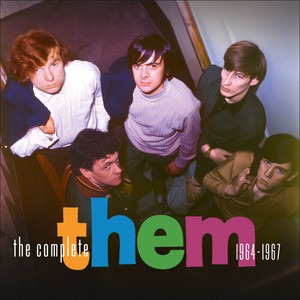
Any conversation about modern Belfast music begins with Van Morrison. Before his solo career, “Van the Man” first found fame as the lead singer of R&B band Them, formed in Belfast in 1964, who are forever remembered for the garage rock landmark “Gloria.” Morrison launched his solo career soon after with “Brown Eyed Girl,” and his 1968 album Astral Weeks is frequently cited as one of the greatest records in rock history. Them counted future Thin Lizzy guitarist Eric Bell among their many members. Other artists from this era left their mark too, including David McWilliams, best known for “The Days of Pearly Spencer,” and Clodagh Rodgers, who carried Northern Irish pop to wide audiences.
Belfast-born Gary Moore became one of the most respected guitarists of his generation, playing with Thin Lizzy before a successful solo career rooted in blues and rock. Vivian Campbell, also from Belfast, went on to play with Dio, Whitesnake and, for decades now, Def Leppard. Henry McCullough, from nearby Portstewart, became the only Irish musician to play at Woodstock and later joined Paul McCartney’s Wings.
The 1970s brought the punk aesthetic, and here Northern Ireland punched well above its weight. Belfast spawned the legendary Stiff Little Fingers, who formed in 1977 and are still touring today. Derry’s The Undertones, fronted by Feargal Sharkey, gave the world the immortal “Teenage Kicks.” The momentum never stopped. Downpatrick’s Ash became one of the most successful Northern Irish rock bands of the 1990s, while Snow Patrol, whose members grew up in Belfast and Bangor, scored a global smash with “Chasing Cars.” Briana Corrigan of Belfast lent her voice to The Beautiful South, Brian Kennedy built a celebrated solo career, and Strabane-born Paul Brady earned admiration from Bob Dylan and Dire Straits alike.
Belfast’s reach extends firmly into the present. Enniskillen’s Neil Hannon has charmed listeners for decades as The Divine Comedy. Belfast producer and DJ David Holmes scored acclaimed films including the Ocean’s Eleven series, while Belfast’s D:Ream topped the charts with “Things Can Only Get Better.” Rend Collective brought Northern Irish folk-worship to international audiences.
Belfast’s live music remains as vibrant as ever, with countless artists strutting their talents week in and week out across the city’s venues. That energy reaches a new peak in 2026, as Belfast prepares to host the world’s biggest celebration of Irish music and culture.
Fleadh Cheoil na hÉireann takes place in Belfast, August 2–9, 2026. For more information visit fleadhcheoil.ie, visitbelfast.com, and discovernorthernireland.com.