
All photos by Mini’s Memories. You can contact her through Instagram or X.
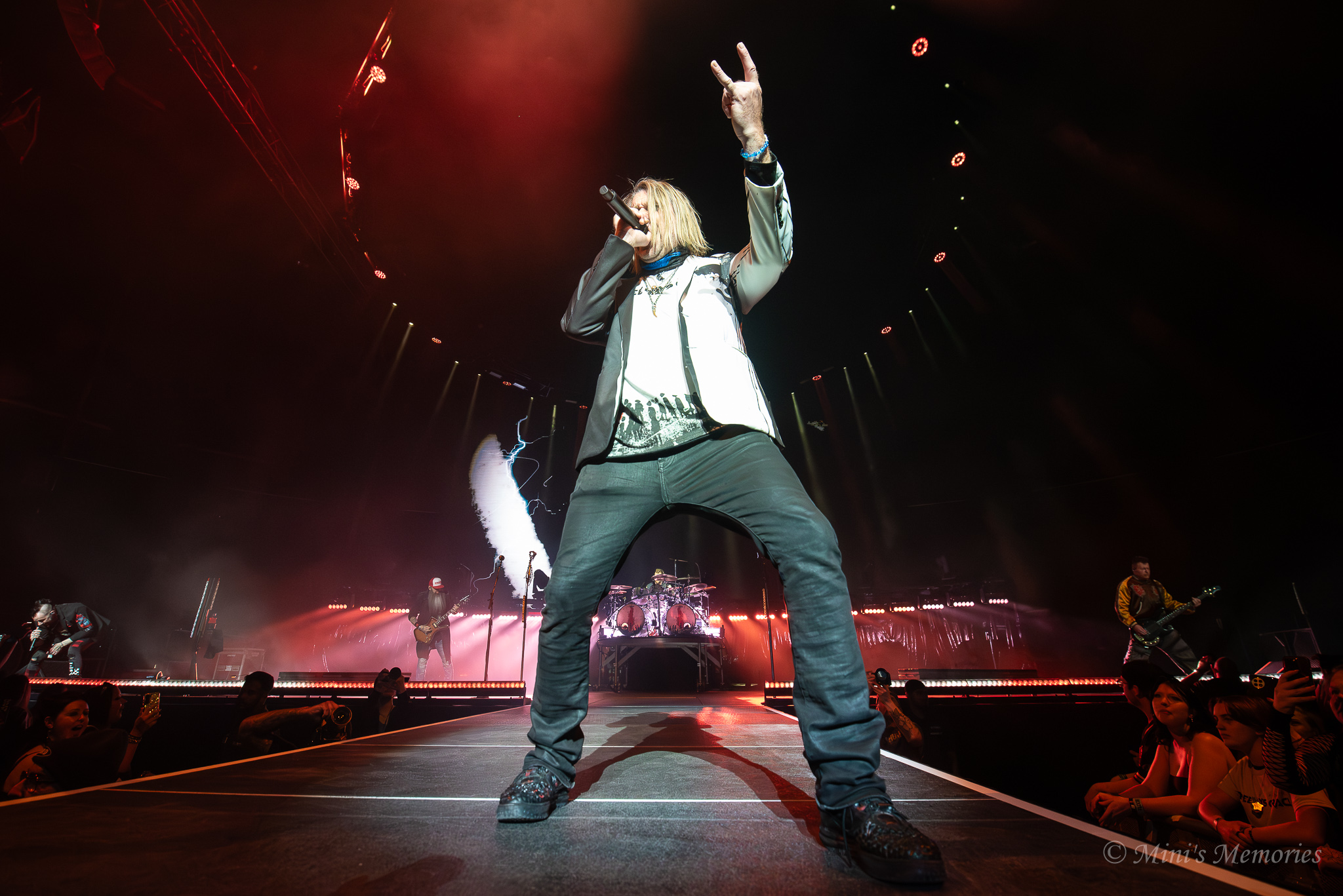

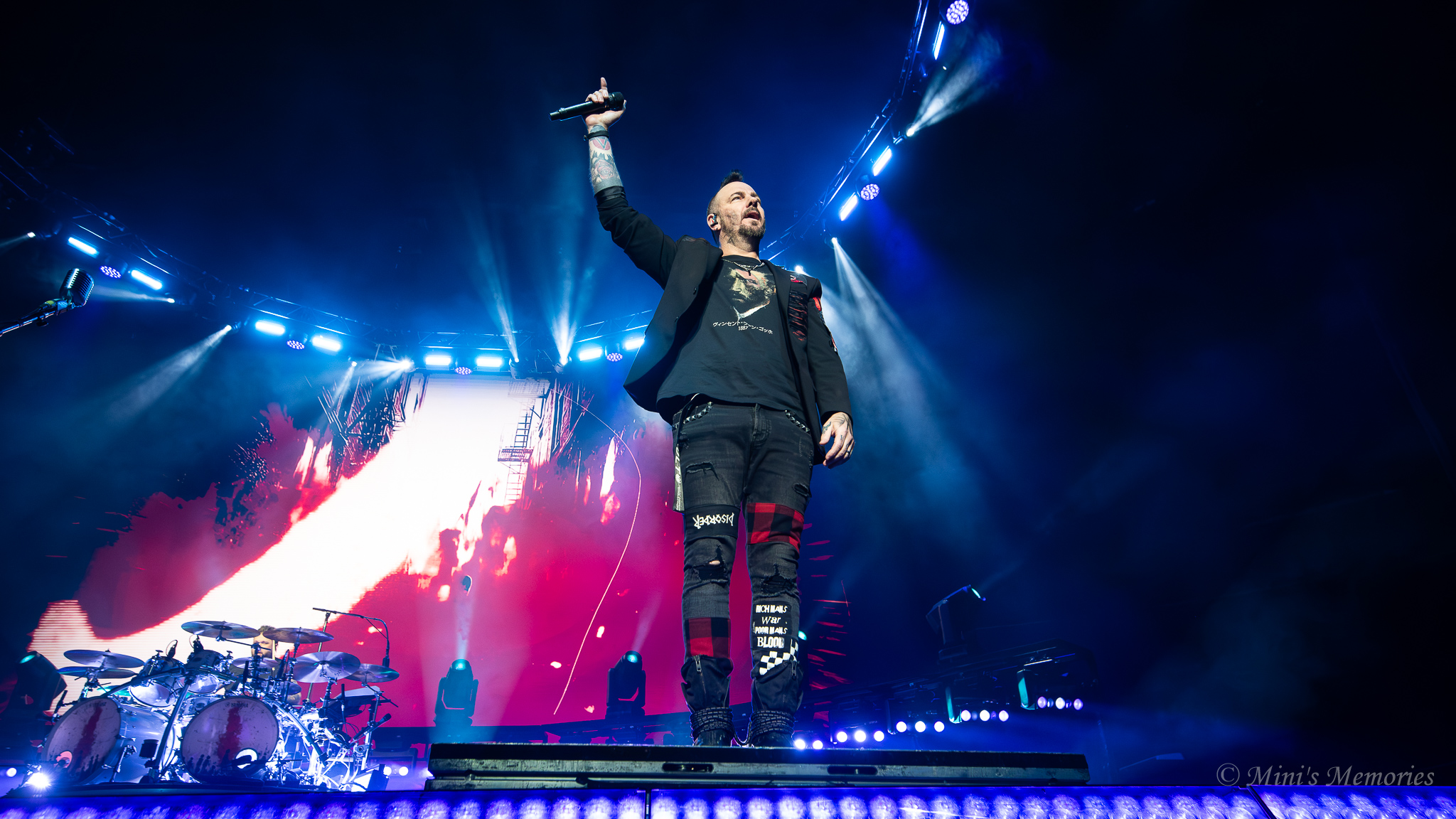
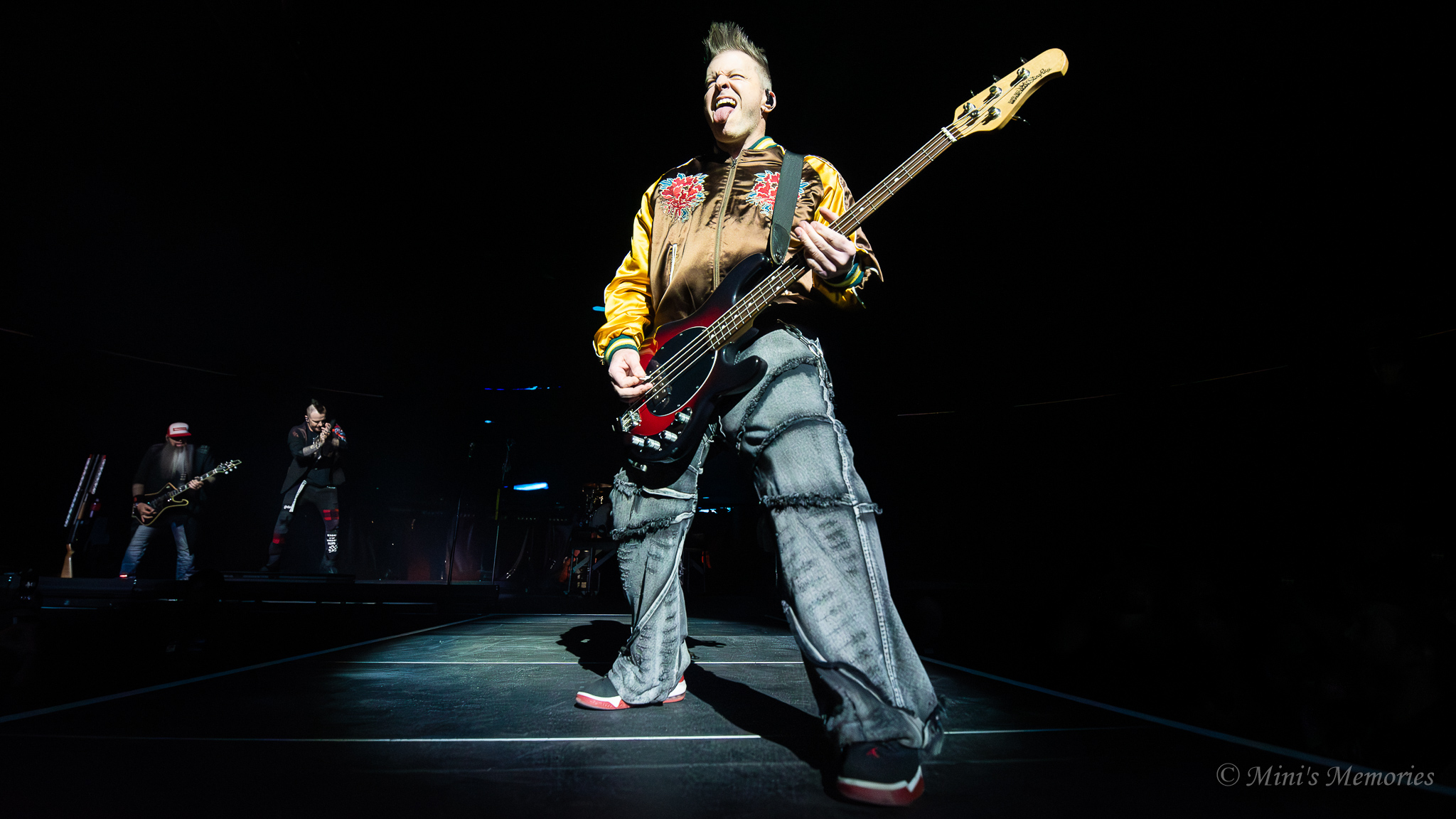
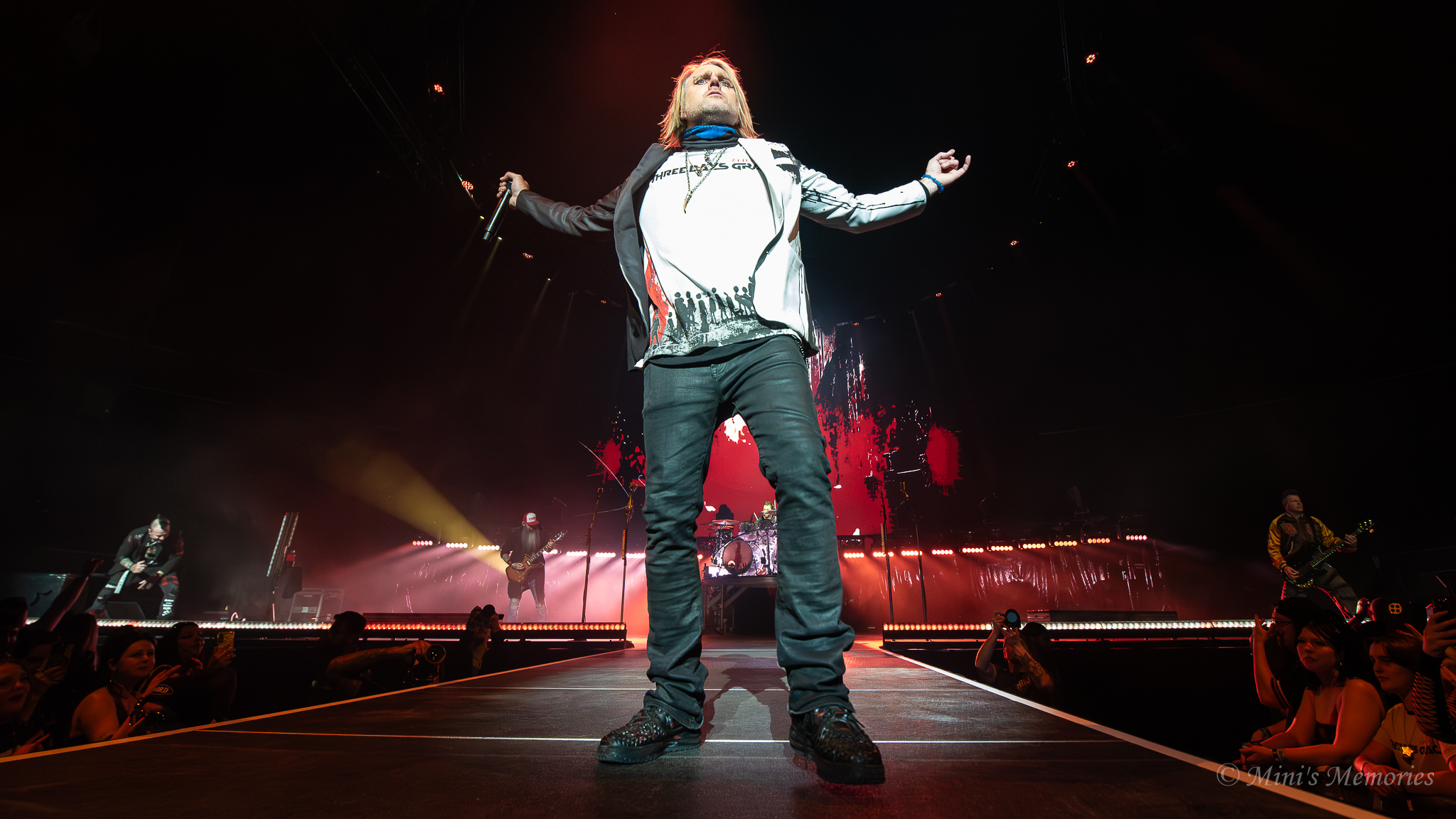

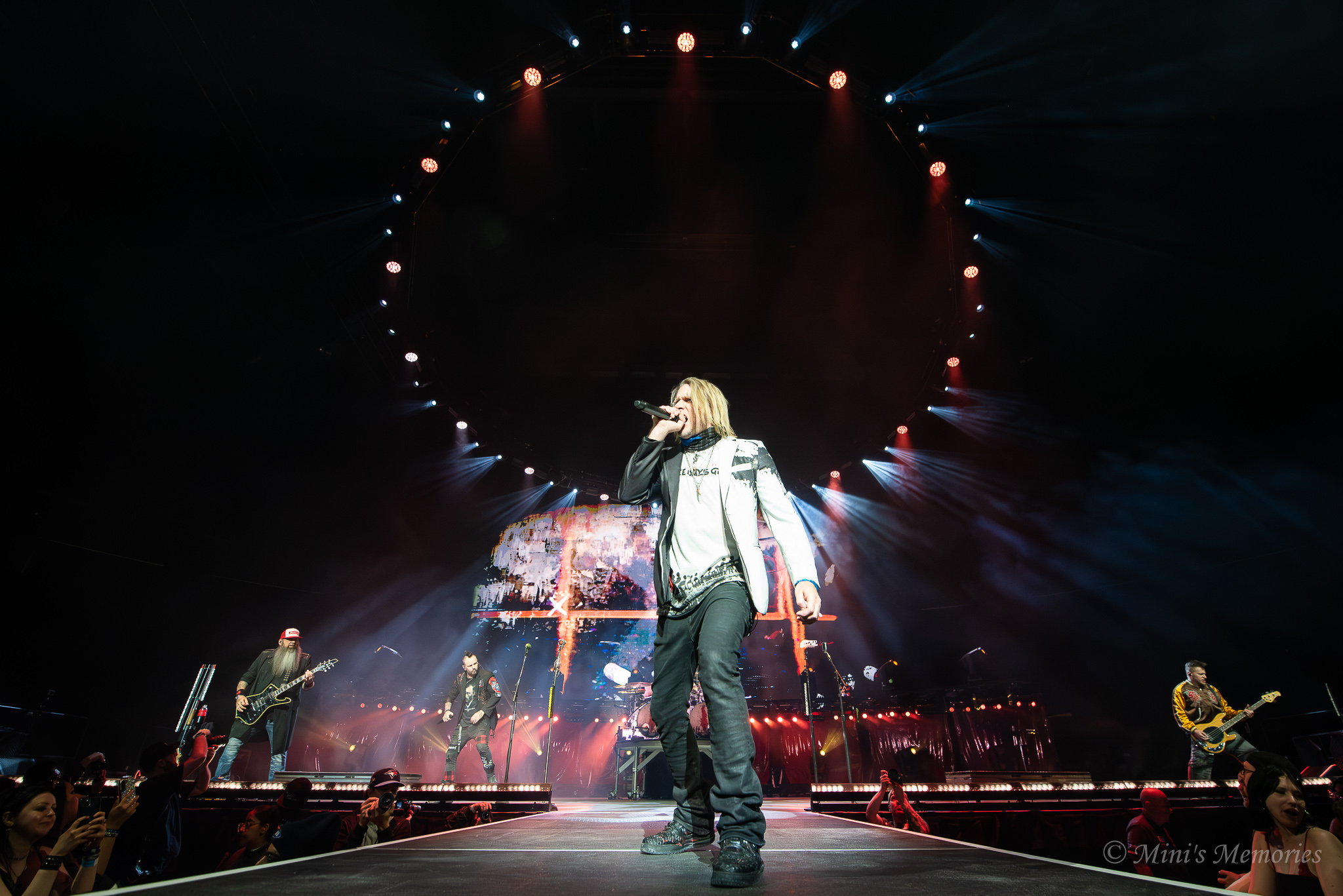


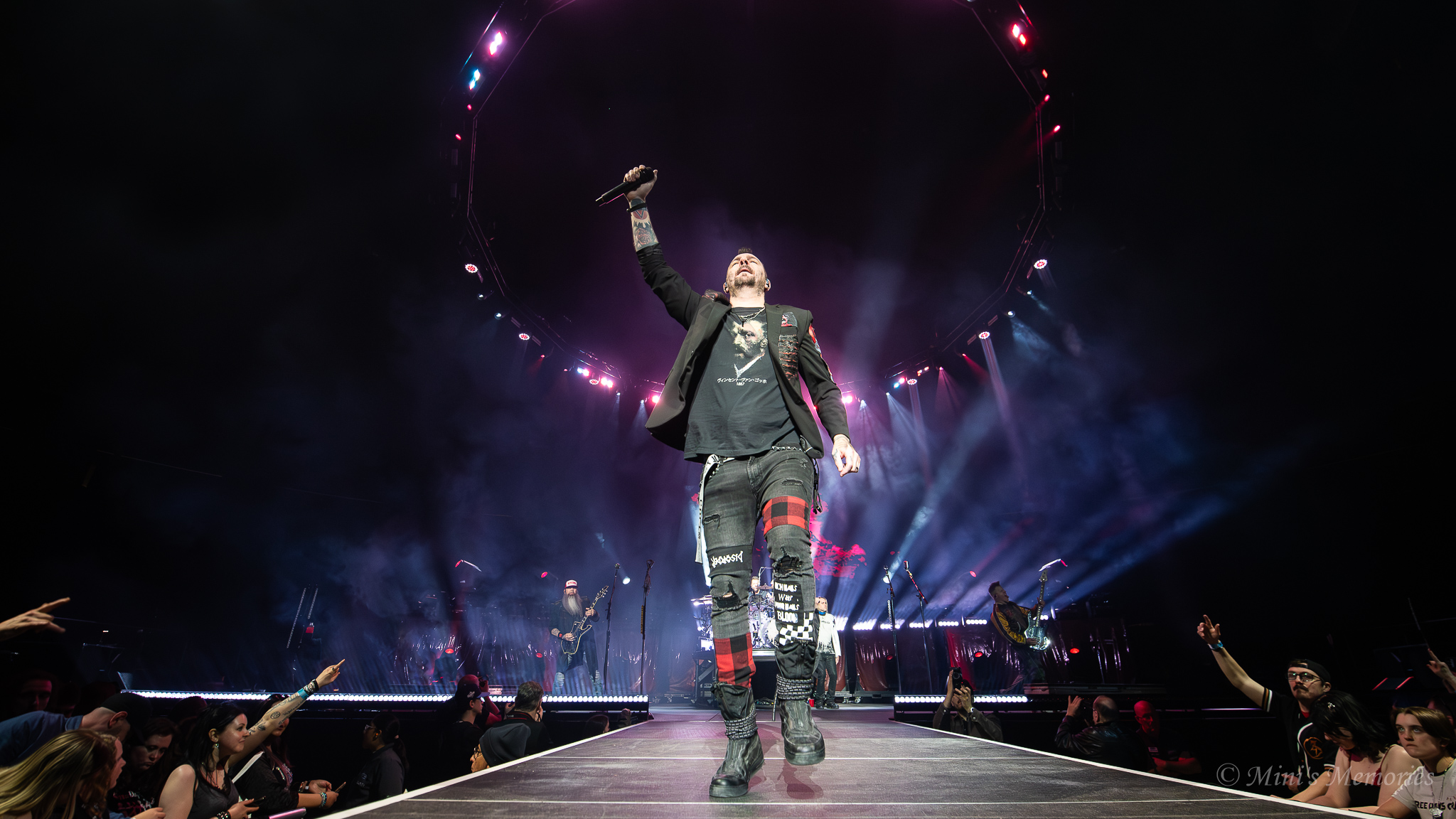
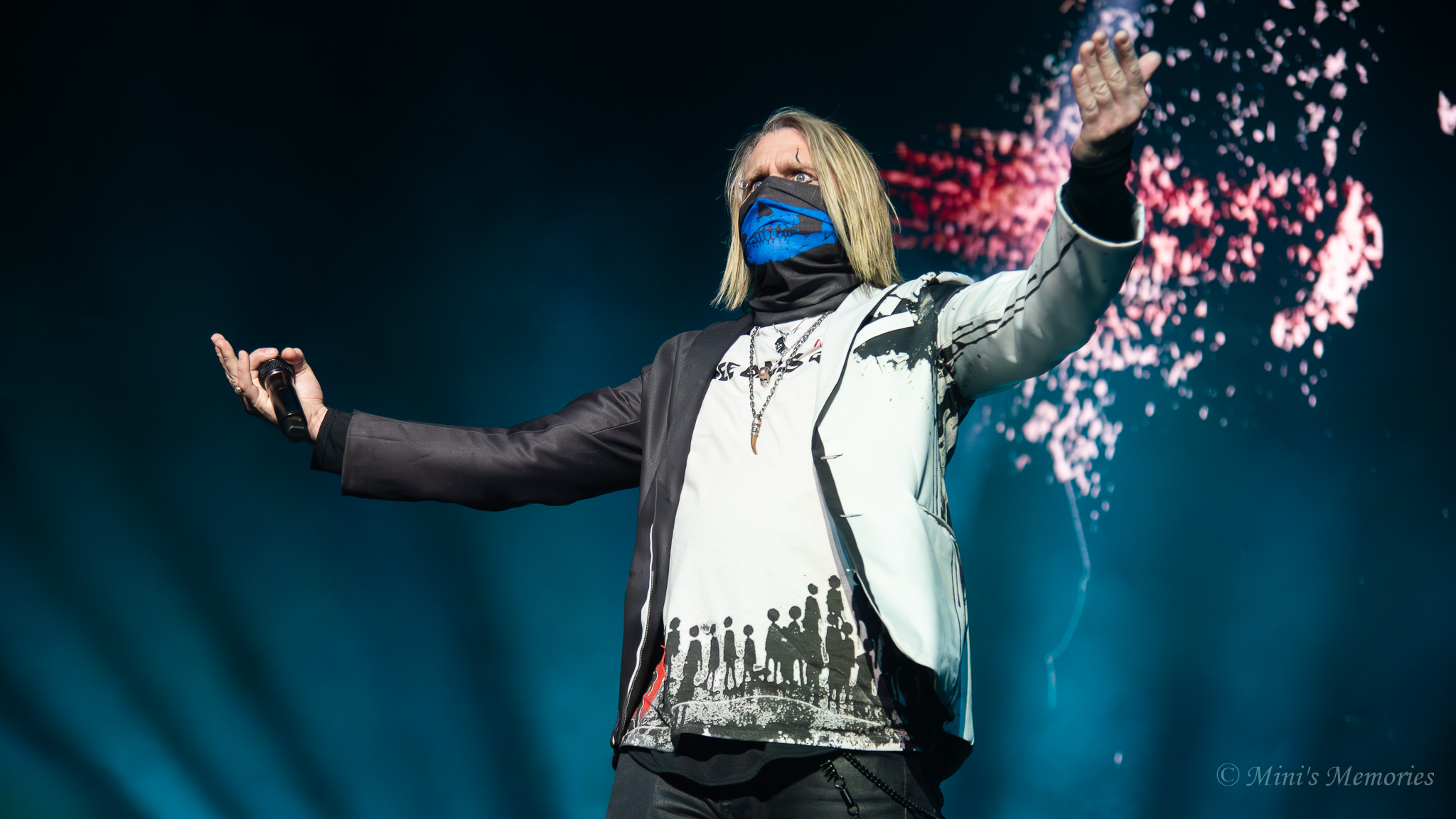

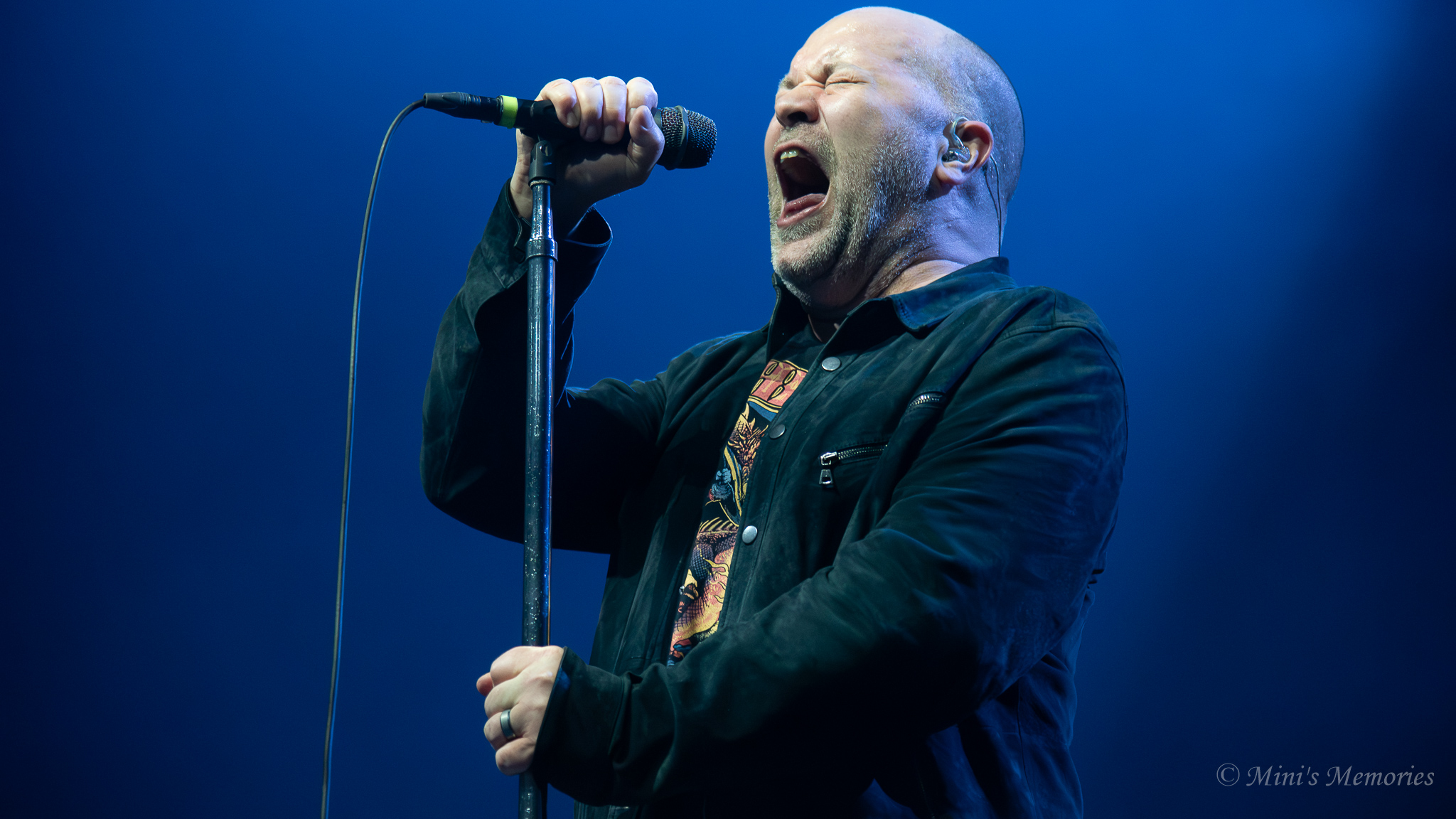
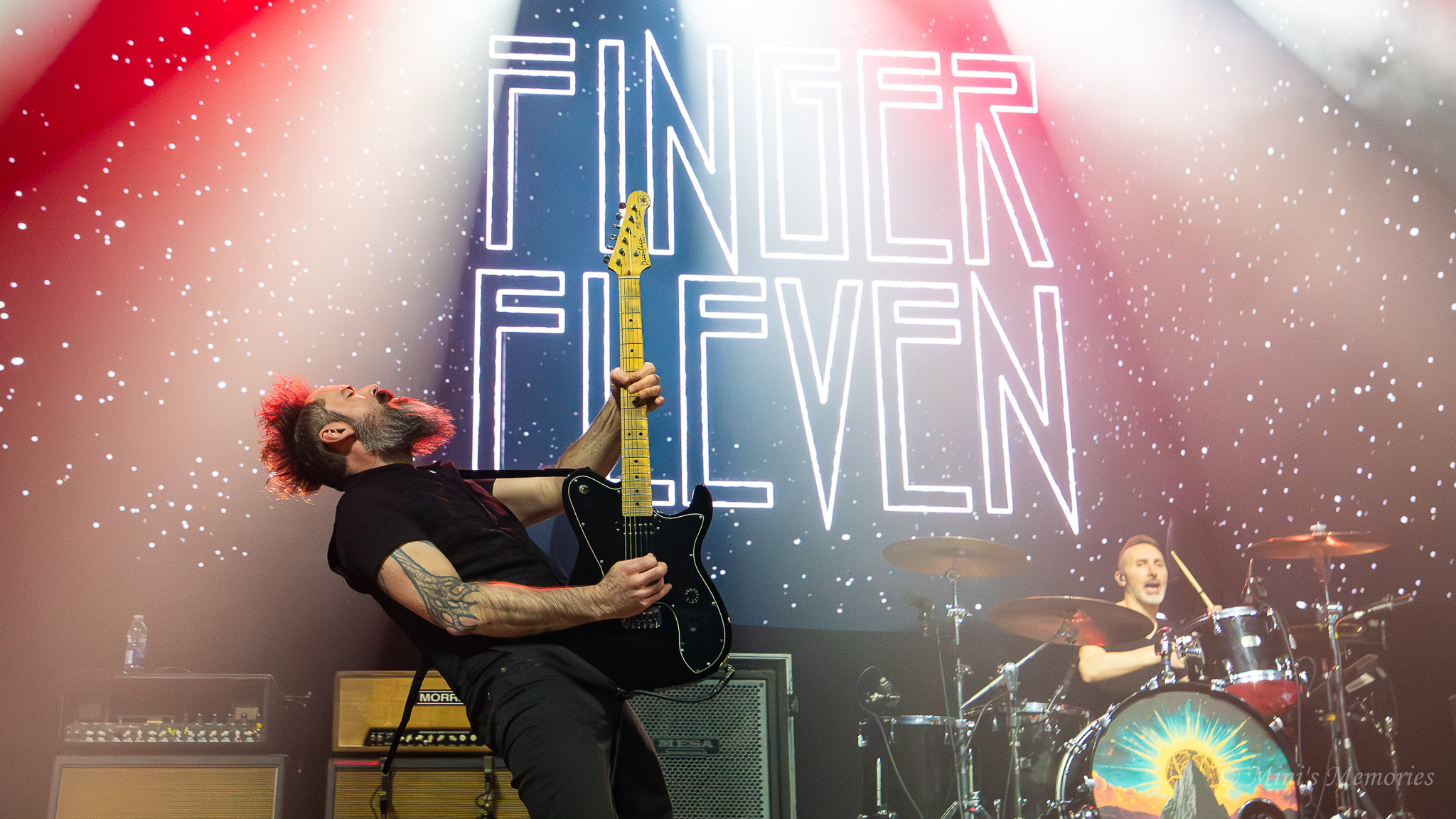
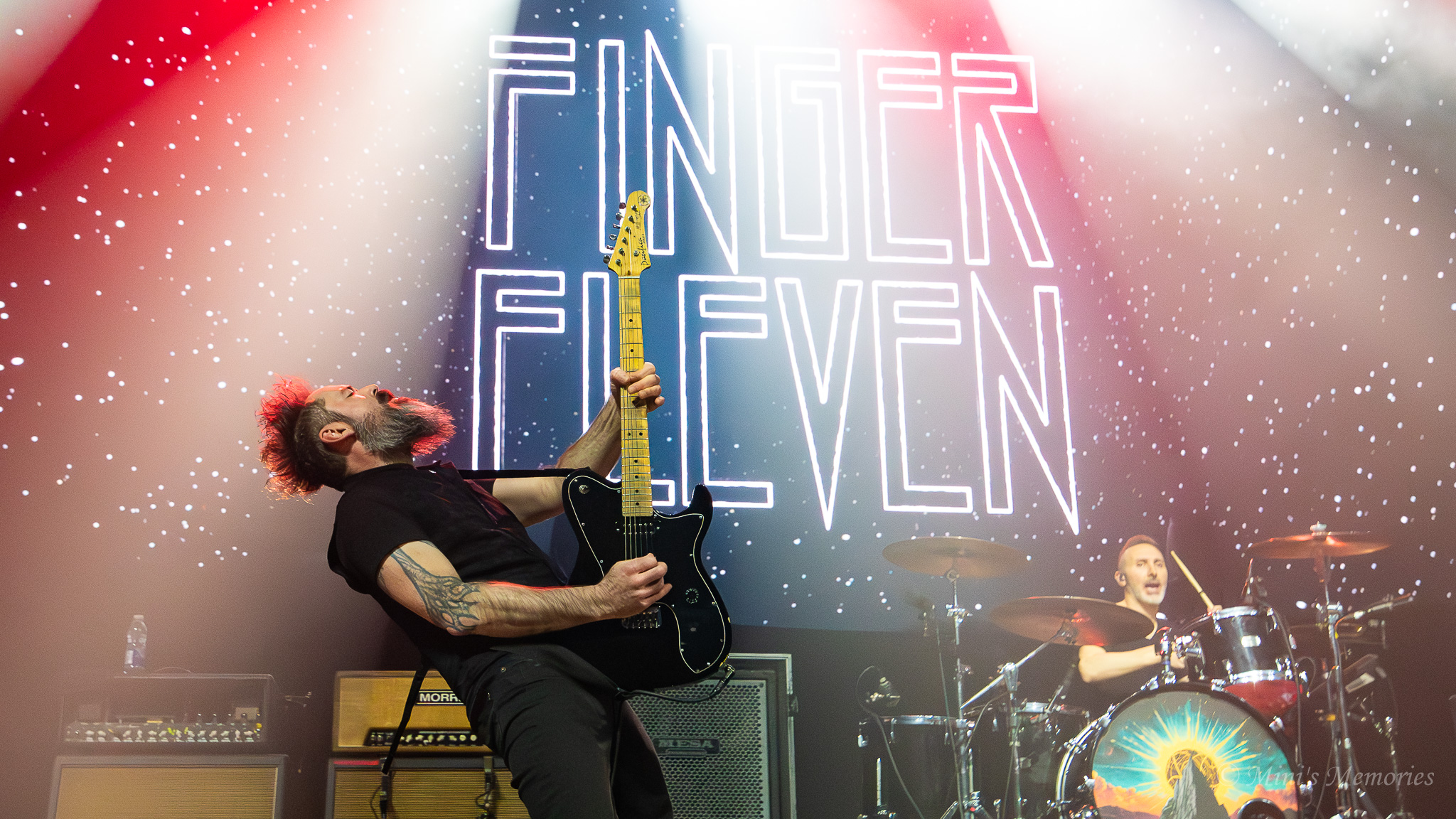

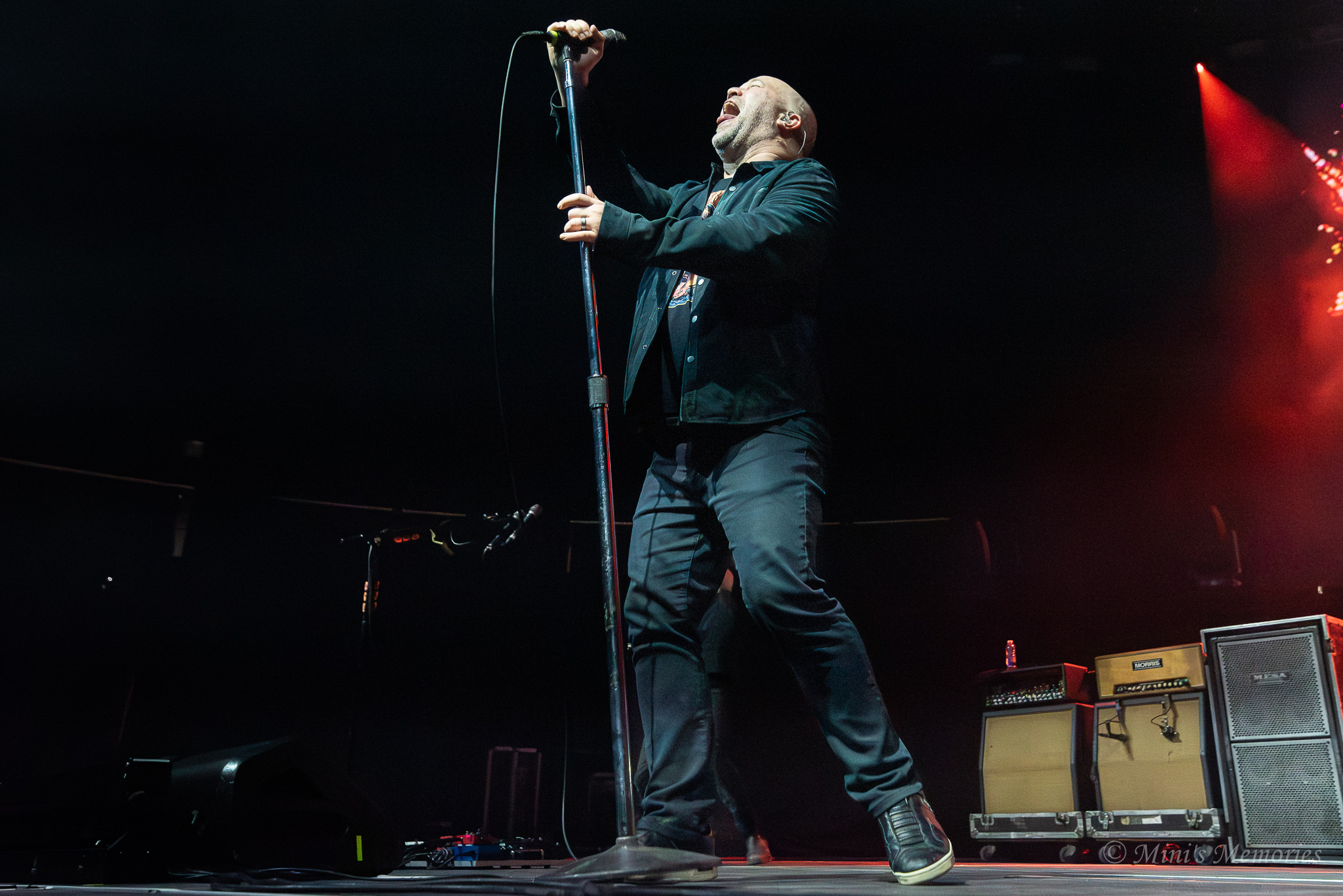

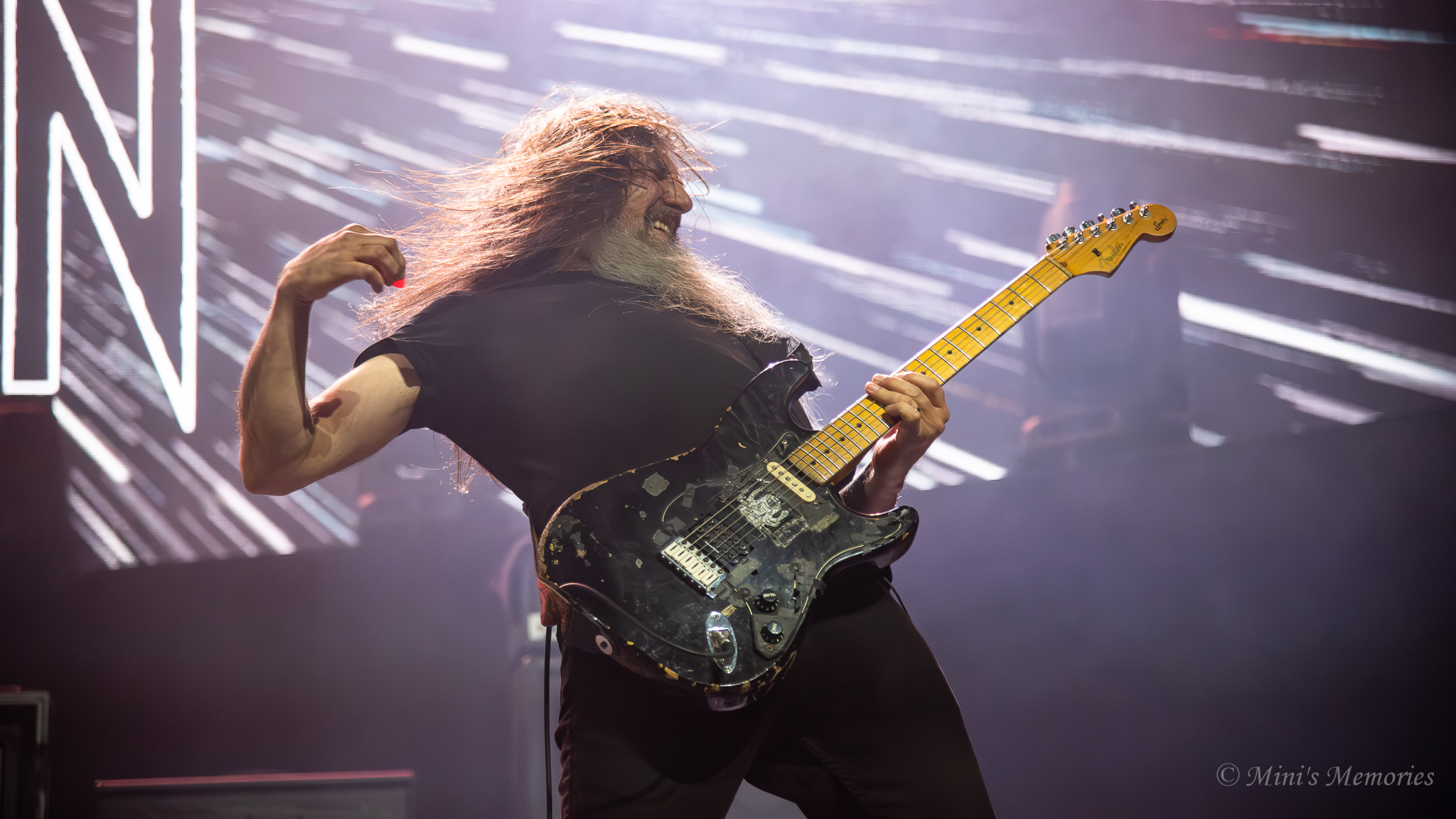
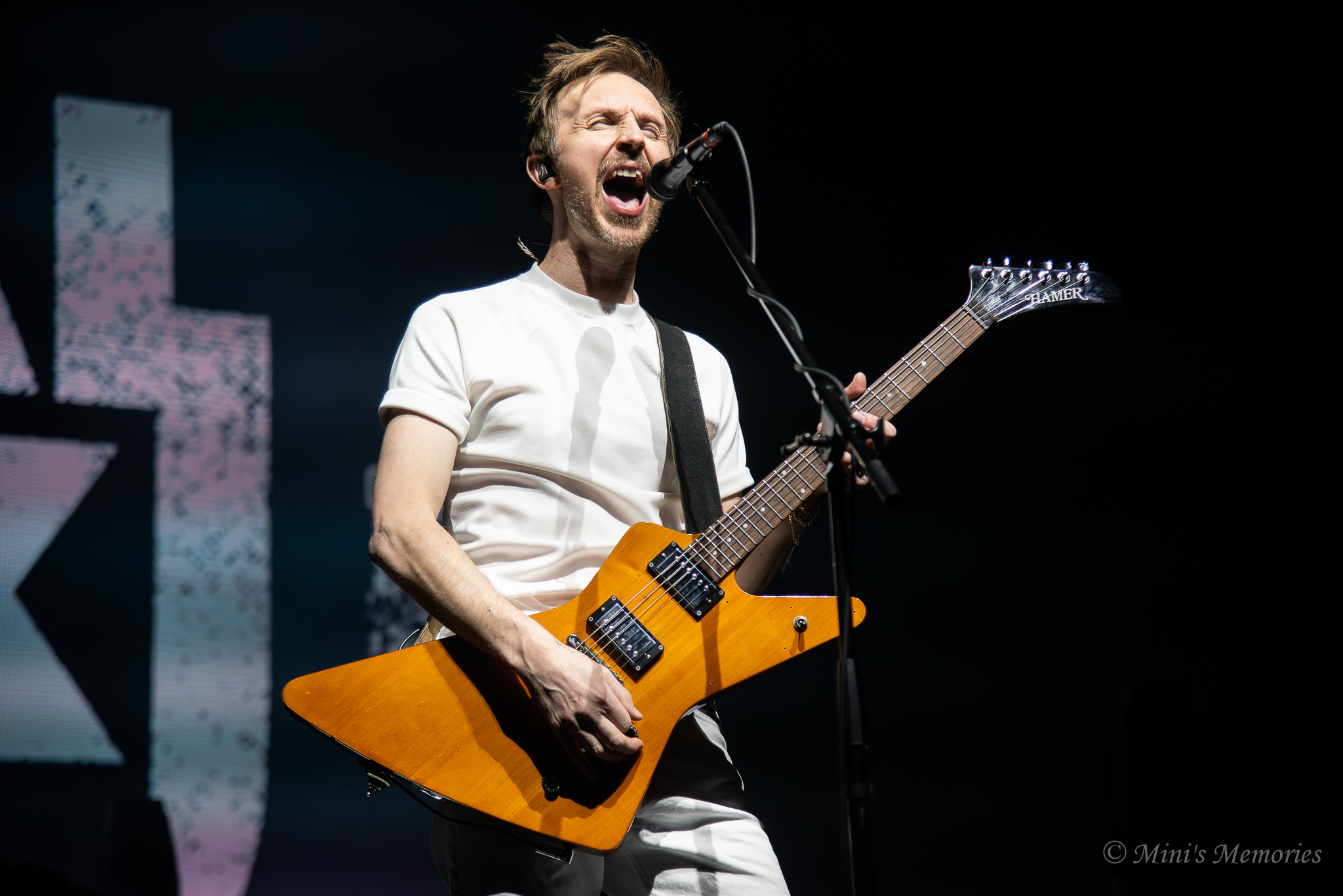
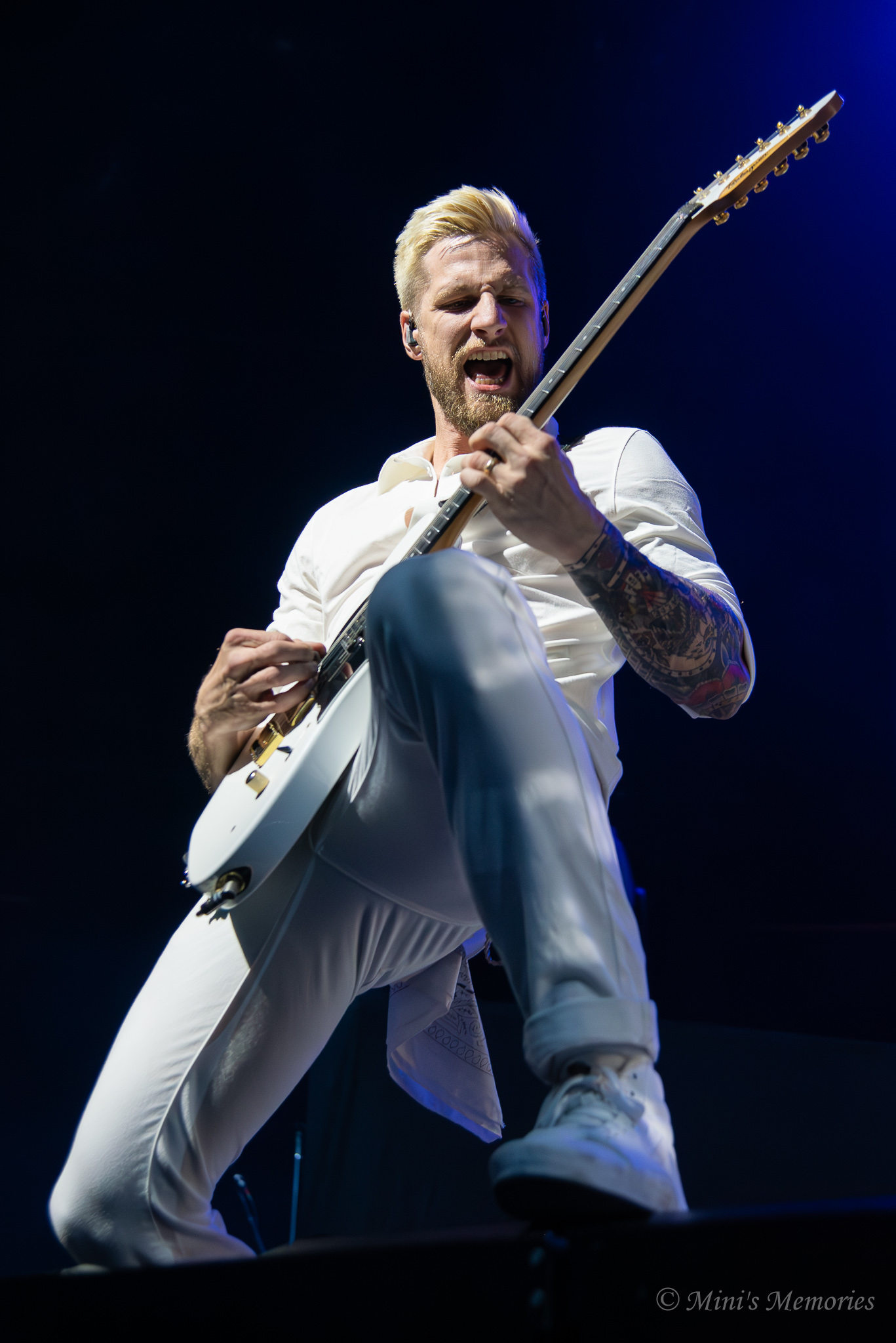



All photos by Mini’s Memories. You can contact her through Instagram or X.

Cincinnati singer-songwriter Jim Duff has released ‘More Than Love,’ a new project built around the emotional terrain of parenthood, spiritual connection and perseverance. Across more than 3 decades and over 300 original songs, Duff has drawn from folk, Americana, country, blues, jazz and rock to create a sound shaped by the influence of Waylon Jennings, Kris Kristofferson, Guy Clark, John Prine, Bob Dylan and Townes Van Zandt. ‘More Than Love’ is among his most personal work yet.
The title track was born from the reality of being physically separated from his newborn and oldest son. Performed entirely by Duff on piano, bass and guitar, it strips production back to let the emotion lead. “Walk With Me,” another standout, grew from an afternoon walk through Washington Park with his youngest son, evolving into one of the most spiritually resonant songs he’s written. Duff wrote, produced, performed, mixed and mastered it entirely on his own.
‘More Than Love’ also arrives in the context of something larger. Duff has continued writing, recording and performing throughout ongoing treatment for stage four cancer, a fact that gives the project’s themes of love, presence and resilience a weight that goes well beyond craft. He’s performed at The Bluebird Cafe in Nashville, the Cactus Cafe in Austin and the Dolby Theatre in Los Angeles, among many others. This record carries that same commitment to honest, direct storytelling.

UK pop artist Starling has released “Cupcake,” a sharp-edged, emotionally honest single that transforms birthday self-criticism into radical self-compassion. Written on her own birthday, a day that historically brought feelings of shame and inadequacy, the track marks a deliberate turning point. “Every birthday my inner critic used to take over,” she shares. “This birthday was different. ‘Cupcake’ is me choosing kindness over criticism.” Produced by Patch Boshell, who also helmed her BBC-supported previous single “Gymnast,” the song pairs playful sonic textures with deeply personal lyricism in the spirit of what her growing audience calls “pop therapy.”
Starling’s origin story is one worth knowing. Once told she couldn’t sing, her path began in a Soho basement bar where, after a shift serving drinks, she sang a cappella to a room that included Henry Binns of Zero 7. Within 6 weeks she was in sessions with Massive Attack collaborators and Grammy-winning writers. Since then she’s accumulated millions of streams, 18 Spotify New Music Friday placements, BBC Radio 1 “New Noise” recognition, an Amazon Music UK “Weekly One” designation, features in The Guardian, Wonderland and FAULT, and a Love Island sync.
Her house concert tour, where she traveled 4,000 miles performing in 35 homes after posting that she was “tired of being online,” is now in television development. A debut album, working title ‘the story of starling,’ is on the horizon. Upcoming appearances include the Why Care? podcast with Nadia Nagamootoo and Women of Our Time.

One of 2026’s most unlikely and undeniable breakout stories just got a major publishing deal behind it. Angine de Poitrine, the anonymous Quebec-based microtonal dada-pythago-cubist rock duo known for their long-nosed, polka-dotted masks and jaw-dropping musicianship, have signed an exclusive worldwide publishing agreement with leading independent publisher Third Side Music. TSM will represent their catalog globally, developing opportunities in film, TV, advertising and games alongside the band and their management, Spectacles Bonzaï.
The numbers behind this signing are genuinely staggering. A KEXP session went viral and has racked up over 13.5 million YouTube views. Their sophomore album ‘Vol. II’, released April 3, has surpassed 20 million Spotify streams. According to Luminate, the week it dropped, the duo hit 11.2 million global on-demand streams, a 124% increase from the previous week and a 603,198% increase from the same week last year. Single “Fabienk” topped Spotify’s Viral Songs Global Chart and ranks among the 50 most Shazamed tracks worldwide.
Brothers Khn de Poitrine, on microtonal guitars and vocals, and Klek de Poitrine, on percussion and vocals, have built this entirely on their own terms. Their 2024 debut ‘Vol. I’ hit No. 1 on Discogs and now sells for as much as $600 CAD on the secondary market. Physical editions of both ‘Vol. I’ and ‘Vol. II’ get a worldwide release June 12 through a carefully selected network of independent distributors, with no record label involved.
“Angine de Poitrine have really perfected the combination of incredible musicianship and concept,” said TSM Co-Founder and COO Jeff Waye. “In this business, it always just hits a bit more satisfying when you can bring the weird to the masses.” Dave Grohl put it more directly, calling their music something that “absolutely blew my f**king mind.” The New York Times described it as “intricate, virtuosic, microtonal, mostly instrumental and unquestionably fun.” Apple Music 1’s Matt Wilkinson called them “possibly the buzziest new band on planet Earth right now.”
Angine de Poitrine are now touring internationally almost non-stop for the next year, hitting Europe, the U.S., Mexico, South America and Japan. Upcoming highlights include headlining the opening beach party of The Great Escape in the UK on May 13, with TSM-signed Ribbon Skirt in support, and opening for Jack White at RBC Amphitheatre in Toronto on July 14.
‘Vol. I’ and ‘Vol. II’ get worldwide physical releases June 12 via ATO in the U.S., Republic of Music internationally, F>A>B in Canada outside Quebec, and Spectacles Bonzaï in Quebec.
Puerto Rican reggaeton pioneer Yandel has announced a new run of U.S. dates for his Sinfónico Tour, beginning September 25 at Crypto.com Arena in Los Angeles and wrapping November 1 at Red Rocks Amphitheatre in Morrison, Colorado. Promoted by Live Nation, presales begin Thursday May 7 at 10am local time, with general on sale Friday May 8 at 10am local time at yandel.com.
Before the U.S. run kicks in, Yandel delivers something special for his hometown. A free one-night-only Sinfónico concert takes place Saturday May 9 at La Plaza de Cayey in Puerto Rico, a gift to the community that shaped him on Mother’s Day weekend. He’s also headlining the first-ever Amazon Music flagship series, Amazon Music City Sessions Puerto Rico, in San Juan today.
The Sinfónico concept is genuinely groundbreaking. Yandel became the first artist in his genre to reimagine his greatest reggaeton hits in a symphonic format, performing alongside a live philharmonic orchestra, his full band and a dance crew. The project grew from his 2024 performance with the FIU Symphony Orchestra, inspired his 2025 album ‘SINFÓNICO,’ and earned him a 2026 Grammy nomination for Best Música Urbana Album for the live record ‘Sinfónico (En Vivo).’
A career that began in 1998 has produced 16 No. 1 hits on Billboard’s Top Latin Airplay chart, 2 Latin Grammy Awards, collaborations with Bad Bunny, Daddy Yankee, J Balvin, Maluma and dozens more, and a legacy as one of the architects of modern reggaeton. His new album ‘INFINITO’ is out now.
Sinfónico Tour Dates:
May 9 – Cayey, PR – La Plaza de Cayey
May 22 – Acapulco, MX
May 24 – Chicago, IL
May 28 – Nicaragua
May 29 – Guatemala City, GT
May 30 – Guatemala City, GT
July 11 – Sevilla, Spain
July 12 – A Coruña, Spain
July 17 – Barcelona, Spain
July 18 – Marbella, Spain
July 21 – London, England
July 24 – Gran Canaria
July 29 – Murcia, Spain
July 31 – Valencia, Spain
August 7 – Rosarito, Mexico
August 8 – Mexicali, Mexico
August 14 – Hermosillo, Mexico
August 15 – Monterrey, Mexico
August 29 – Quito, Ecuador
September 25 – Los Angeles, CA – Crypto.com Arena
September 27 – San Jose, CA – SAP Center
October 9 – Laredo, TX – Sames Auto Arena
October 10 – Houston, TX – Toyota Center
October 16 – Hidalgo, TX – Payne Arena
October 18 – El Paso, TX – UTEP Don Haskins Center
October 29 – Las Vegas, NV – PH Live at Planet Hollywood Resort & Casino
October 30 – San Diego, CA – Viejas Arena
November 1 – Morrison, CO – Red Rocks Amphitheatre
November 14 – Madrid, Spain
November 27 – Puebla, Mexico
By Mitch Rice
We’ve all been there. A PDF lands in your inbox, a 40-page research report, a lengthy contract, a dense industry white paper, and you need to know what’s in it, fast. You don’t have an hour to dedicate to reading it cover to cover, but you also can’t afford to miss anything important.
The good news is that you don’t have to choose between speed and thoroughness anymore. There are smarter ways to extract the key information from any PDF document without sitting down and reading every single word. Whether you’re a student, a professional, a freelancer, or just someone drowning in documents, this guide will walk you through the most practical methods available today.
The average professional receives dozens of documents per week. Research papers, meeting notes, legal agreements, proposals, product manuals, the volume of information people are expected to process has grown significantly, but the hours in a day have not.
Reading a full PDF carefully takes time, focus, and mental energy. For documents that are informational or reference-based, that level of attention often isn’t necessary. What you typically need is the core argument, the key data points, the conclusions, and the action items, not every transitional paragraph in between.
This is why smarter document handling has become one of the most valuable productivity skills you can develop.
The most efficient solution available today is using an AI-powered PDF summarizer. These tools are designed to read and analyze the full content of a document and return a concise, accurate summary in a matter of seconds.
Here’s how it typically works:
What makes this approach particularly useful is that it doesn’t just pull random sentences. A good AI summarizer understands context, which means it can distinguish between filler content and genuinely important information. You get a summary that actually reflects the document’s core message rather than a random selection of lines.
This method works well for research papers, business reports, legal documents, educational materials, and almost any other type of structured PDF. For anyone dealing with high document volume on a regular basis, it’s one of the most practical tools you can add to your workflow.
Before diving into the content itself, take 60 seconds to scan the document’s structure. Most well-formatted PDFs give you a clear roadmap if you know where to look:
This approach works well when you have some time but not enough to read everything. It helps you identify which sections are worth reading in full and which ones you can safely skip.
If you’re looking for specific information within a document, a particular statistic, a name, a date, a policy detail, don’t scroll through it manually. Use the search function (Ctrl+F or Cmd+F) to jump directly to the relevant sections.
This is especially useful for:
The search function won’t give you a summary, but it’s incredibly effective when you have a clear idea of what you’re looking for. Pair it with the skimming method above, and you can extract targeted information from almost any document in just a few minutes.
Charts, graphs, tables, and infographics are usually the most information-dense elements in any document. Authors and researchers use visuals to communicate data and conclusions that would take paragraphs to explain in text.
When you’re short on time, scan the document for visual elements and read the captions carefully. In many reports and research papers, you can get 70–80% of the key information just from the figures and their accompanying descriptions.
This is particularly effective for:
If a document has very few or no visual elements, you’ll need to rely more heavily on the other methods listed here.
This is a classic speed-reading technique that works surprisingly well for informational documents. Most well-written paragraphs follow a simple structure: the first sentence introduces the main point, the middle sentences provide supporting detail, and the last sentence either concludes or transitions.
By reading only the first and last sentence of each paragraph, you capture the main idea without wading through the supporting material. This can cut your reading time by 50% or more while still giving you a solid understanding of the content.
It’s worth noting that this method works better for some document types than others. It’s highly effective for reports, articles, and white papers. It’s less effective for contracts or legal documents, where every sentence can carry specific meaning.
In practice, the most efficient approach is to combine these methods depending on the document type and how much detail you need:
The combination you use will depend on your purpose. Knowing why you’re reading a document is the first step in deciding how to read it efficiently.
If you decide to use a dedicated tool to handle your document workload, not all options are equal. When evaluating a PDF summarizer, consider the following:
A reliable summarization tool should feel like a knowledgeable assistant, one that reads the whole document so you don’t have to, and hands you exactly what matters.
Reading every PDF in full is no longer the only option, and for most documents, it isn’t the smartest one either. Between AI-powered summarization tools, structural skimming, targeted searching, and visual scanning, there are plenty of ways to extract the information you need quickly and accurately.
The key is knowing which method fits the situation. For speed and convenience, an AI-based PDF summarizer is hard to beat. For more targeted needs, combining a quick summary with manual searching gives you precision without the time cost of a full read-through.
Documents aren’t going anywhere, if anything, there will always be more of them. Building smarter habits around how you process them is one of the most practical investments you can make in your own productivity.

If you’ve been following music news lately, you’ve probably noticed something a little unsettling. Tours are getting cancelled. Postponements are piling up. And a new phrase has started making the rounds among social media: Blue Dot Fever.
It’s a pretty vivid term when you think about it. Pull up a Ticketmaster seating map for a show that isn’t selling well and you’ll see it immediately. All those little blue dots scattered across the venue map. Each one represents an unsold seat. When there are enough of them, the picture gets pretty hard to ignore. Reddit users started using Blue Dot Fever to describe what’s been happening across the touring landscape in 2026, and honestly, it kind of nails it.
A few things have collided at once. Ticket prices have climbed substantially over the past few years, and a lot of fans are dealing with budgets that just don’t stretch the way they used to. When you’re weighing concert tickets against rent, groceries, and everything else life throws at you, you get more selective about where your entertainment dollars go. That’s not a knock on anyone. That’s just where a lot of people are right now.
There’s also been a tendency in some corners of the industry to go big on venue size, booking stadiums and major arenas before perhaps actual demand has really been tested at current price points. It’s an understandable impulse. You’re optimistic, your team is excited, you want to make a statement. But sometimes the math (and the fans’ paycheck) doesn’t quite work out the way you hoped.
And it’s worth saying clearly: artists cancel and postpone tours for all kinds of reasons. Health. Personal circumstances. Creative decisions. The Blue Dot Fever conversation is really about the broader industry picture around ticket sales and venue sizing, not about any individual artist’s story. Those are two very different conversations and it’s worth keeping them that way.
Here’s the Part Nobody’s Talking About Enough
While some of the bigger traditional tours have been pulling back, something else is happening at the same time that’s genuinely exciting. Residencies and more curated live experiences are absolutely thriving.
Bon Jovi and the Backstreet Boys at the Sphere in Las Vegas? Sold out fast and generated serious buzz. Olivia Rodrigo? Tickets gone in seconds. Eagles? More than 60 shows and counting in Vegas. Osheaga in Montreal and All Things Go festivals are doing big sales. Ariana Grande’s “Eternal Sunshine” tour, and reunited rock legends Rush, Lady Gaga, The Weeknd, Harry Styles, Bad Bunny, and more are selling out around the world. What that tells you is that fans haven’t fallen out of love with live music at all. They’re just being more deliberate about what they spend their money on. They want an experience that feels truly worth it. Something they’ll remember. Something they can’t get anywhere else.
What It Means for Smaller and Independent Artists
Here’s something that doesn’t get discussed nearly enough. When the biggest tours pull back from certain markets, it creates real breathing room for independent and emerging artists. Venues open up. Audiences have more bandwidth to discover something new. The promotional noise gets a little quieter.
Artists who are pricing their shows in a way that feels fair, who are genuinely connected to their fans, and who are building real communities around their music are finding some genuine momentum right now. The fundamentals of a great live music career haven’t changed. Artists need to know their audience. Meet them where they are. Give them something real. That’s always worked and it still does.
Blue Dot Fever isn’t the end of live music. Not even close. It’s the industry recalibrating, which is something every healthy industry does from time to time. Those blue dots on the seating maps are data. And data, when you actually pay attention to it, is useful. The conversations happening right now about pricing, accessibility, venue sizing, and what fans actually want from a live experience in 2026 are the right conversations to be having.
Live music has weathered everything. It’ll weather this too. That feeling of being in a room full of people who all love the same song as much as you do isn’t going anywhere. It’s just finding a new shape. And that’s worth being curious about, not worried about.

25 years in, Austin City Limits Music Festival is still setting the standard. The 2026 lineup for ACL Fest lands with serious weight: Charli XCX, RÜFÜS DU SOL, Twenty One Pilots, Lorde, Skrillex, Kings of Leon and The xx headline across 2 weekends at Zilker Park in Austin, Texas. The festival runs October 2-4 and October 9-11, with 3-day tickets on sale now at aclfestival.com.
Beyond the headliners, the supporting lineup covers serious ground. Turnstile, Labrinth, Lola Young, The Chainsmokers, Bleachers, Sofi Tukker, Parcels, The War On Drugs, Leon Thomas and Brandon Flowers are among the acts filling out a 9-stage celebration that has always balanced superstar draws with genuine discovery. A strong Latin contingent includes Young Miko, Rodrigo y Gabriela and rusowsky, while a dedicated group of Texas homegrown artists reinforces the festival’s roots, including Asleep At The Wheel and the Huston Tillotson University Jazz Collective.
Emerging talent gets its own spotlight, with ones-to-watch including Paris Paloma, Lola Young, Sasha Keable, Claire Rosinkranz and Faouzia among the artists positioned for breakout moments on ACL Fest’s stages. The festival has a long track record of launching careers, and the 2026 lineup continues that tradition.
Disney+ and Hulu return as the official streaming destinations for Weekend One, October 2-4. Spotify is also partnering with the festival on a new in-app experience that maps fans’ listening history to the lineup and generates a personalized festival playlist. Since 2006, ACL Fest and Austin Parks Foundation have generated over $79 million toward improvements to Zilker Park and parks across Austin, with $8.5 million contributed in 2025 alone.
3-day General Admission, GA+, VIP and Platinum tickets are on sale now at aclfestival.com. Layaway plans are available.
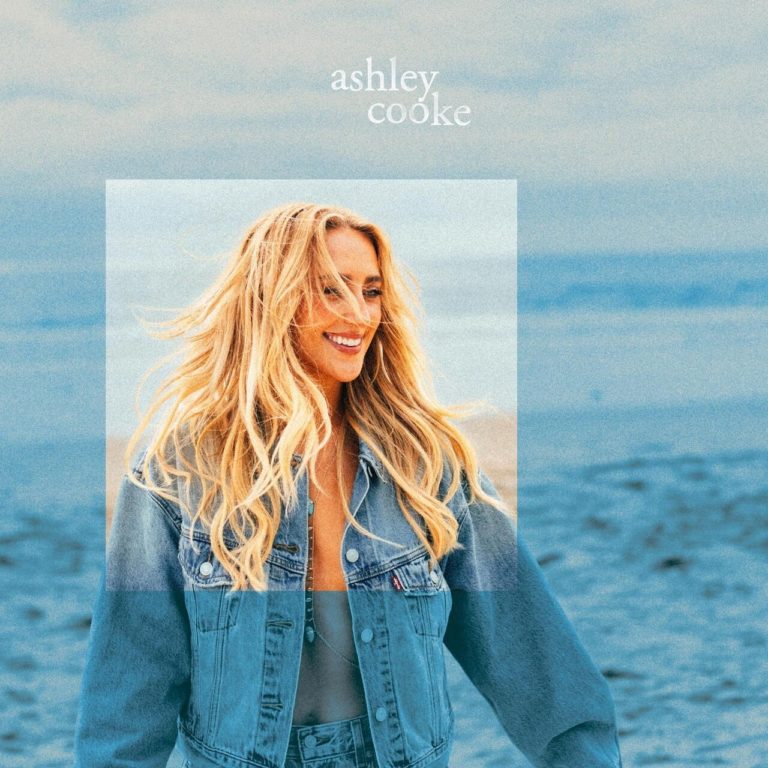
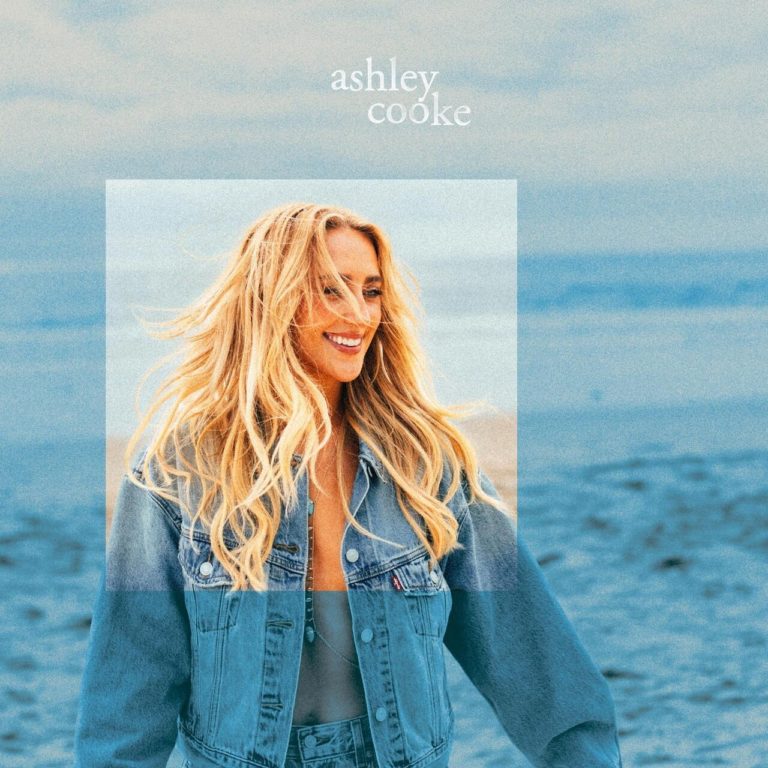
Ashley Cooke is ready to put her full name on it. The country hitmaker has announced ‘ashley cooke,’ her self-titled sophomore album, due August 14 via Big Loud Records. This Friday May 8, she releases “high school sweetheart,” the first taste of a 15-track record she describes as “a coming-of-age record disguised as a relationship album.”
Written in the middle of real situations and shaped by genuine self-discovery, ‘ashley cooke’ picks up where 2025’s ‘ace’ left off and goes further. Cooke put it plainly: “It’s messy, self-reflective, indecisive, filled with honesty, double entendres and emotional duality. Overall, it’s my perception of love and allllll the chaos it entails.” Co-written with Liz Rose, Lori McKenna and Ashley Gorley, and produced by the legendary Dann Huff, the album pairs unfiltered storytelling with a sun-soaked coastal country sound rooted in her beachside background and deep love of ’90s effortless cool.
“high school sweetheart” arrives Friday with jangly guitar riffs, shimmering textures and a sharp-witted takedown of someone stuck in teenage gossip mode. It joins already established tracks including “baby blues,” a recent No. 1 on SiriusXM The Highway’s Hot 30 Countdown, and “the hell you are,” currently climbing country radio charts. Her 2023 debut ‘shot in the dark’ produced “your place,” a gold-certified No. 1 at country radio that won the 2024 CMT Music Award for Breakthrough Female Video of the Year.
On May 16, Cooke co-hosts and performs at ACM Next Wave: Country’s Beach Bash during Academy of Country Music Awards Week at Mandalay Bay Beach in Las Vegas, alongside Flatland Cavalry, Tucker Wetmore and Braxton Keith. Festival appearances follow, including Hoofbeat on June 27 in Cadott, Wisconsin.
‘ashley cooke’ arrives August 14 via Big Loud Records. Pre-order and pre-save are available now.
Partial Tracklist:
high school sweetheart
baby blues
excuses
the hell you are
xs
Paul McCartney surprised 50 fans at Abbey Road Studio Two today, revealing “Home to Us,” his first-ever duet with Ringo Starr. Out Friday May 8, it’s the 2nd single from ‘The Boys of Dungeon Lane’, McCartney’s forthcoming album due May 29 via MPL/Capitol Records, and it carries the kind of backstory that makes the song mean even more before you’ve heard a note. Pre-order starts now.








Photo Credit: Credit Sonny McCartney / MPL Communications
Follow us on Instagram @thatericalper

Eric Alper is a 6-time nominee for Publicist of the Year during Canadian Music Week and has overseen the publicity campaigns for over 183 JUNO Award-nominated albums (and 16 in 2025), 45 Grammy-nominated albums, including 47 JUNO Award, 58 Canadian Folk Music Award, 126 Maple Blues Award-winning albums and is also truly honoured to work with some of the biggest and most important artists of our time.
Contact me: eric@thatericalper.com
© Copyright - That Eric Alper