


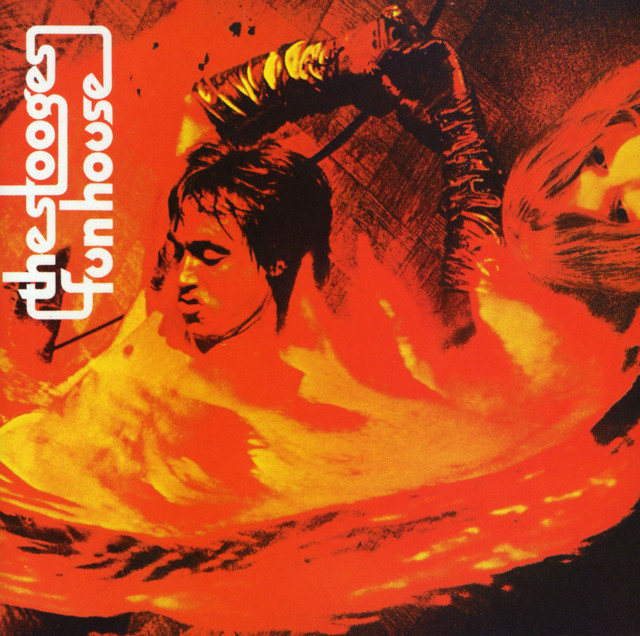
What happens when you strip away soundproofing, turn up the amplifiers, and let the chaos of Detroit in the 1970s spill into a recording studio? You get Fun House, the raw, primal second album by The Stooges. Released on July 7, 1970, this misunderstood masterpiece was initially deemed too wild for mainstream audiences, but time has revealed it as one of the most influential records in rock history. Often hailed as the blueprint for punk rock, Fun House is more than an album—it’s a visceral experience that feels as alive and untamed as the band that created it.
- No Baffles, Just Mayhem: Producer Don Gallucci initially set up the studio traditionally, but the band hated the sterile sound. They tore out soundproofing, set up like a live show, and recorded with raw energy—bass vibrations even rattled the snare drum audibly on some tracks.
- Howlin’ Wolf’s Influence: Iggy Pop cited blues legend Howlin’ Wolf as a major inspiration for the album’s gritty sound, calling it his way of channeling the blues through the chaos of The Stooges.
- A Misheard Name Led to Radio Birdman: Australian punk band Radio Birdman named themselves after mishearing a lyric from “1970” (“radio burnin’ up above”). Talk about punk serendipity!
- A Single Nobody Expected: Elektra Records insisted on a Doors-style organ overdub for “Down on the Street,” which was released as a single. The band wasn’t thrilled, but the track has since become a classic.
- Cult to Classic: Initially dismissed, Fun House has grown into a legend, praised by Jack White as “the greatest rock ’n’ roll record ever made” and inspiring everyone from Joey Ramone to Henry Rollins.
Fun House is a statement, a riot, and a force of nature that reminds us what rock ’n’ roll was meant to be. Whether it’s Iggy Pop’s feral vocals, Steve Mackay’s anarchic saxophone, or the sheer unrelenting energy of the band, Fun House captures the sound of abandon like nothing before or since. If you haven’t heard it yet, do yourself a favor—turn it up loud, and let it take you back to the raw, untamed heart of rock. It’s not just music; it’s history.