


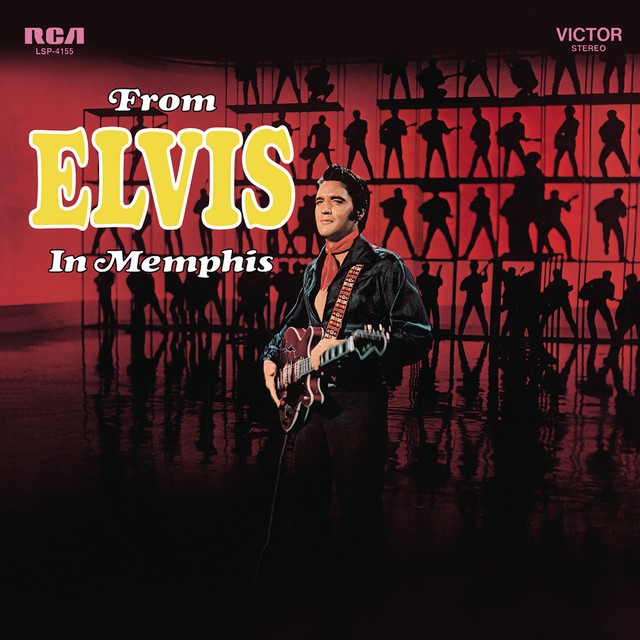
When Elvis Presley strolled into American Sound Studio in 1969—velvet voice, rhinestone swagger, and a cold in tow—he didn’t want to cut same old another album. From Elvis in Memphis became the King’s rebirth, a gritty, gospel-tinged, soul-splashed comeback that shoved him out of the Hollywood soundtrack haze and back into the artistic ring. Critics now call it one of the greatest albums of all time—but let’s dive into five lesser-known gems buried in its glittering legacy.
1. Elvis Nearly Didn’t Record “In the Ghetto” Because It Was Too “Controversial”
Mac Davis’ “In the Ghetto” had been floating around the studio, full of social bite and poetic grit. Elvis initially hesitated—worried the subject matter might upset his audience. But when producer Chips Moman threatened to hand it over to Rosey Grier instead, and Elvis’s inner circle gave him a nudge, he laid it down in 23 takes. That haunting piano and Presley’s trembling sincerity? A turning point, they call it.
2. The Memphis Boys Brought Their A-Game, But Elvis Came With a Cold
The house band at American Sound—Reggie Young, Gene Chrisman, Bobby Emmons, and more—were red-hot hitmakers. But when Elvis showed up for the first session, he was congested and croaky. You can actually hear the roughness in his voice on “Long Black Limousine.” Instead of stopping the show, they leaned into it. That rasp became part of the album’s raw, soul-drenched magic. Who needs perfection when you’ve got authenticity?
3. RCA Wanted Control—Elvis and Moman Fought for Freedom
Presley was signed to RCA, a label that preferred its stars to record under its roof. But Elvis refused to go back to Studio B in Nashville. Instead, he teamed up with Moman, and when Hill & Range tried to muscle in on publishing rights, Moman told them to pack up and leave. Elvis backed him fully. For one of the only times in his career, Elvis recorded exactly what he wanted—with the people he trusted.
4. Elvis Played Piano and Guitar on the Album—And Even His Team Was Shocked
On tracks like “I’ll Hold You in My Heart” and “After Loving You,” Elvis was singing, sure, and he was on keys and guitar, shaping the emotional tone of each track. It’s easy to forget that he was more than a velvet crooner. This wasn’t a Hollywood set, this is where he belonged. It was Elvis, hands on the strings, heart on his sleeve, proving to the world (and maybe to himself) that he still had it.
5. The Album Nearly Didn’t Happen—Until a TV Special Changed Everything
Before Memphis, there was The ’68 Comeback Special, where Elvis ditched the formula and plugged back into his roots. Originally slated to sing Christmas carols, Elvis tore through “Trouble” and “Guitar Man” in leather and fire. That special’s success was the shove he needed. And with From Elvis in Memphis, he kept that promise—one soulful, sweaty track at a time.
From Elvis in Memphis sounded like he was a man breaking free from a system, reclaiming his voice, and putting Memphis soul on a pedestal next to rock and country. It birthed “Suspicious Minds,” “Kentucky Rain,” and the chilling echo of “In the Ghetto”—songs that sounded like truth, not showbiz. This album reminded us he’d never left.