


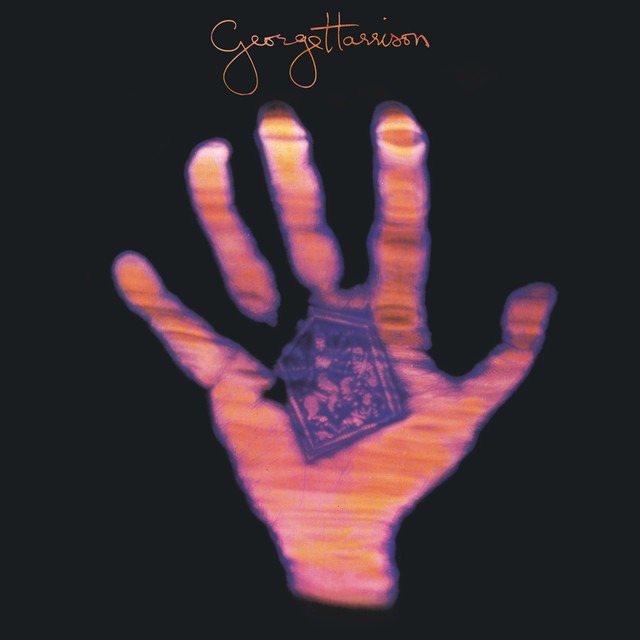
George Harrison’s 1973 album Living in the Material World followed the enormous success of All Things Must Pass and the Concert for Bangladesh. It topped the charts, produced a #1 single, and reflected George’s spiritual path like never before. But behind the peaceful slide guitar and devotional lyrics are hidden stories, forgotten sessions, and one very unusual dinner photo. Here are five facts you probably didn’t know about this soulful masterpiece.
1. Harrison Played Every Guitar Part on the Album
For the first time in his solo career, George Harrison didn’t call on Eric Clapton or any other guitarists. Every rhythm, lead, slide, and acoustic part on Living in the Material World was played by George himself. His playing ranges from the ferocious blues of “Sue Me, Sue You Blues” to the delicate textures of “Be Here Now.” Biographers see this as the moment he fully stepped out of the Beatles’ shadow as a guitarist. He wasn’t trying to be loud—just honest and in complete control of his sound.
2. The Last Supper-Inspired Photo Was Taken in a Hollywood Lawyer’s House
Inside the album’s gatefold is a surreal photo of George and his band seated at a long banquet table, referencing The Last Supper. But it wasn’t shot in a studio—it was taken at the home of entertainment lawyer Abe Somer. Harrison dressed in black like a priest, complete with a gun holster. Photographed by Ken Marcus, the image includes symbolic details like a nurse with a baby carriage and a distant empty wheelchair. It’s a portrait of spiritual confusion and material excess—wrapped in humor and mystery.
3. He Gave Away Most of the Album’s Publishing Royalties
George Harrison donated the copyright of nine out of eleven songs on Living in the Material World to his Material World Charitable Foundation. This meant the royalties from the album went directly to causes he believed in. The foundation still exists today and funds projects related to education, poverty relief, and music preservation. For George, the message wasn’t just in the music—it was in the money too. He wanted the album to serve a higher purpose long after it left the charts.
4. “Give Me Love” Knocked McCartney Off the Top of the Charts
“Give Me Love (Give Me Peace on Earth)” became Harrison’s second U.S. #1 single in June 1973, replacing Paul McCartney’s “My Love” at the top of the Billboard Hot 100. It marked the only time two former Beatles held the #1 and #2 spots in America. George didn’t tour, promote, or even appear publicly to celebrate the song’s success. He let the music do the work while he chanted Hare Krishna and worked in his garden at Friar Park. The quiet Beatle was also the most quietly dominant.
5. The Album Features One of the First Uses of Kirlian Photography in Rock
The glowing, supernatural image on the album cover isn’t a painting or a Photoshop trick. It’s a Kirlian photograph—a technique that captures energy fields around objects using high-voltage exposure. George had his hand photographed at UCLA’s parapsychology department while holding a Hindu medallion. On the back cover, he holds three U.S. coins. The contrast symbolized his inner tug-of-war between spiritual enlightenment and material entanglements, a theme that runs through every track on the record.
With fewer bells and whistles than All Things Must Pass, Living in the Material World went deeper instead of louder. It gave George a second #1 album and gave listeners a glimpse into his soul. For a man who wanted nothing more than peace on earth, this record brought him closer to heaven.