


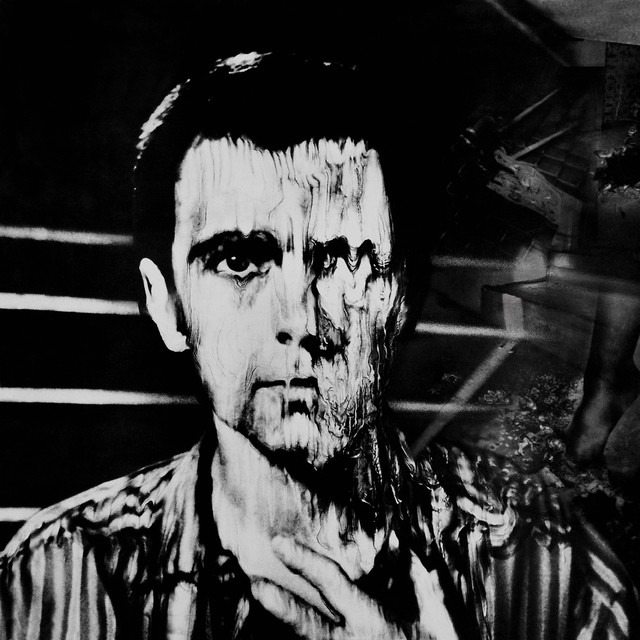
You know the album for “Games Without Frontiers” and “Biko.” You might even call it Melt without knowing that’s not its official name. But Peter Gabriel’s third solo record, released May 30, 1980, is one of the most innovative albums of its era—and its impact still echoes today. Here are 5 things you might not know about it.
1. The Iconic Drum Sound Was Born From a Ban on Cymbals
When Peter Gabriel told Phil Collins and Jerry Marotta not to use cymbals, it wasn’t a gimmick—it was a creative constraint. The result? A sound that would reshape the 1980s. With producer Steve Lillywhite and engineer Hugh Padgham, Collins stumbled upon what we now call “gated reverb.” It debuted on the track “Intruder,” and its thunderous, clipped echo became a staple of the decade’s biggest hits. Phil liked it so much, he used it on “In the Air Tonight.”
2. One of the Album’s Songs Was Almost Shelved Over a Guitar Solo
“I Don’t Remember” features the legendary Robert Fripp on guitar—but his wild, experimental solo didn’t go over well with label execs. One executive at Charisma Records thought it was too uncommercial for radio. So instead of being the A-side, the song got buried as the B-side to “Games Without Frontiers.” Fans eventually got to hear it in all its unfiltered glory, but not before a battle over what “radio-friendly” even meant.
3. The Album’s Melting Face Was Made With a Polaroid and Patience
That famous cover of Peter Gabriel’s face dripping into oblivion wasn’t computer-generated—it was handcrafted. The effect came from using a Polaroid SX-70 camera and physically smearing the image as it developed. Gabriel himself helped manipulate the shots. Storm Thorgerson of Hipgnosis said Gabriel’s willingness to look “unflattering” was part of what made him such an artistic force. The image stuck, and the album’s unofficial nickname, Melt, was born.
4. Kate Bush’s Voice Is on the Album—but She Wasn’t Credited at First
That haunting chorus of “Jeux sans frontières” on “Games Without Frontiers”? That’s Kate Bush. But Gabriel didn’t publicize her involvement until after the song became a hit. Steve Lillywhite, the album’s producer, guided her vocal takes while Robert Fripp argued they already had the perfect one. Bush completed her part in 30 minutes, but her identity remained a mystery to many listeners until the single climbed the charts.
5. Atlantic Records Thought the Album Was a Career Killer
Before Melt was released, Atlantic Records heard early mixes and passed. One executive reportedly asked, “Has Peter been in a mental hospital?” and dismissed “Biko” with, “What do Americans care about this guy in South Africa?” The album was dropped—only for Mercury to pick it up and release it in the U.S. After “Games Without Frontiers” charted, Atlantic scrambled to get Gabriel back. But he had moved on. Vindicated by fans, he never looked back.
Gabriel’s third solo album redefined what a rock record could be—sonically daring, politically fearless, and emotionally raw. It didn’t follow the rules. It made its own. And four decades later, Melt is still dripping with influence.