


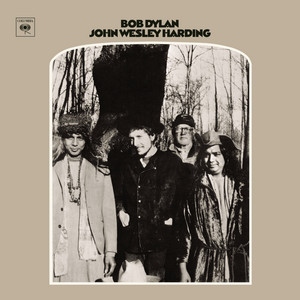
It was sparse. It was mythic. It was quiet, and then it wasn’t. Released at the tail-end of 1967, ‘John Wesley Harding’ found Bob Dylan trading in the psychedelic swirl of the era for something far more haunting. But behind its no-frills sound are stories worth turning the volume up for. Here are 5 things you might not know about this understated masterpiece.
1. Dylan Recorded the Whole Album in Under 12 Hours
Dylan wasn’t in the studio long—he didn’t need to be. The entire album was tracked in just three short sessions in Nashville, totaling less than 12 hours of studio time. Most artists need that much time just to set up the drums. With only bassist Charlie McCoy and drummer Kenny Buttrey backing him, Dylan knocked out songs like “All Along the Watchtower” in just a few takes. No overdubs. No frills. Just pure songwriting, straight to tape.
2. The Songs Were Not From ‘The Basement Tapes’
Although it was recorded just after the famous Basement Tapes sessions with The Band, none of the songs from ‘John Wesley Harding’ came from that legendary stockpile. Dylan had written a brand-new batch of songs, separate from the rambling, rootsy demos that would later surface. While the world assumed he’d raid the vault, he surprised everyone with a fresh set of parables, folk tales, and cryptic ballads that sounded like they came from a different century.
3. “All Along the Watchtower” Became More Famous Without Him
When Dylan first recorded “All Along the Watchtower,” it was just two minutes long, built on a simple three-chord cycle. No guitar solos. No explosions. Enter Jimi Hendrix. His version, released just months later, reimagined the track with stormy guitars and turned it into a rock anthem. Dylan was so blown away by Hendrix’s take that he began performing it more like Jimi than himself. It’s one of the rare times a cover version redefined the original artist’s own song on stage.
4. There Might Be Beatles Hidden in the Trees
Look closely at the album cover. No, closer. Rumors flew in 1968 that the knots in the tree bark behind Dylan contained hidden faces of the Beatles. Photographer John Berg was skeptical at first—until he turned the photo upside down and saw what everyone else was seeing. Was it intentional? He swore it wasn’t. But Dylan had met the Beatles by then, and he certainly loved a good puzzle. Whether it was divine coincidence or playful mysticism, fans have been squinting ever since.
5. The Title Spelled the Outlaw’s Name Wrong—and No One Knows Why
The real John Wesley Hardin was one of the most infamous gunfighters in the Old West. Dylan named the album after him but added a “g” to the surname—making it “Harding.” Was it a typo? A poetic twist? A deliberate distancing? To this day, Dylan has never explained it, and those close to him haven’t either. Wesley Stace, who later adopted the stage name John Wesley Harding, joked that “no one’s ever bothered to ask.” And that’s just the kind of mystery Dylan might appreciate most.