


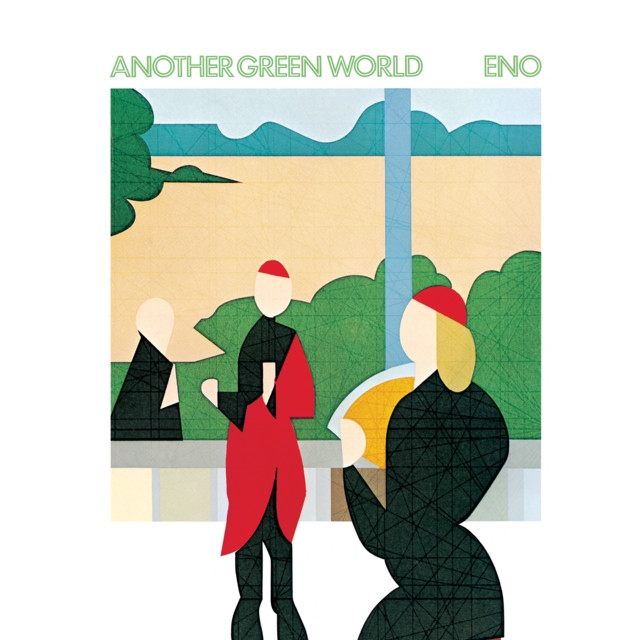
Brian Eno’s 1975 album ‘Another Green World’ didn’t chase trends or follow formulas. It explored sound the way a painter explores a blank canvas—slowly, curiously, with endless possibilities. With only five vocal tracks and a dream team of collaborators, this record became a quiet landmark in music history. Here are five facts that reveal how deep the creativity runs.
1. Phil Collins Was Given a Musical Puzzle to Solve
Before his solo career exploded, Phil Collins showed up to Eno’s sessions with nothing but his sticks and an open mind. Instead of handing him a chart, Eno gave him a list of numbers. Each one stood for a chord or sound. Alongside bassist Percy Jones, Collins turned the numbers into rhythm, using instinct and improvisation to build something that felt spontaneous and alive. It wasn’t about rules—it was about sound in motion.
2. John Cale’s Viola Added a Strange and Beautiful Layer
John Cale, already known for his work in The Velvet Underground, played viola on two tracks. His string parts brought a mysterious, elegant energy to the sessions. Cale’s background in classical and experimental music gave the album a texture that was rich and unpredictable. His contribution wasn’t flashy—it quietly shaped the emotional tone of the music.
3. Robert Fripp Turned a Science Lesson Into a Guitar Solo
When Eno asked Robert Fripp to record the guitar part for “St. Elmo’s Fire,” he described something very specific: the movement of electricity in a Wimshurst machine. Fripp picked up his guitar and created a sound that shimmered and surged with controlled energy. That solo became one of the most distinctive parts of the album. It captured Eno’s vision with a few minutes of fearless playing.
4. Some of the Most Vivid Tracks Were Just Eno, Alone in the Studio
Tracks like “The Big Ship” and “In Dark Trees” weren’t built by a band. They came from Eno layering sounds on his own. Using synthesizers, tape loops, and drum machines, he created entire environments. These pieces feel like quiet weather patterns, each one with its own mood and atmosphere. Eno treated the studio like an instrument, finding new ways to express feeling through sound.
5. The Lyrics Came From Gibberish That Turned Into Meaning
Eno didn’t start with written lyrics. He sang nonsense syllables over the music until the right sounds appeared. From those sounds, words began to form. It was like listening for the language hiding inside the melody. This method gave songs like “I’ll Come Running” and “Golden Hours” a loose, dreamlike quality. They sound like memories you can’t quite place but still recognize.
‘Another Green World’ feels like a walk through a place where music grows on trees and time stretches out in every direction. With each listen, new textures come forward, and familiar parts reveal new details. It’s not just an album—it’s a creative space that’s still open to anyone willing to explore it.