


In the world of music, few ideas strike such a chord of mystique and melancholy as the 27 Club. It isn’t a literal club, of course. It’s a cultural phenomenon—a shorthand for artists who passed away at the age of 27, often in the prime of their creative lives. Over time, it has expanded to include actors, artists, and other creatives whose talents left a mark that continues to ripple through generations.
The number 27 became iconic following a string of deeply felt losses in the late 1960s and early ’70s. Writers and fans alike began to see a pattern, and a haunting label was born. But behind the eerie coincidences are real people, real stories, and real music that continues to inspire.
Here are 20 artists whose lives ended at 27—but whose work still plays loud and clear in the soundtrack of our lives.
Robert Johnson, the legendary bluesman, is as well known for the myth surrounding him as the music he left behind. His influence on rock ‘n’ roll giants like Clapton and the Stones stems from recordings made in hotel rooms and makeshift studios across the South.
Brian Jones, the founder of The Rolling Stones, helped shape the band’s early sound with a wide range of instruments. His death in 1969 marked the start of what would later become known as the 27 Club.
Jimi Hendrix is considered one of the most inventive guitarists of all time. He changed how the electric guitar was played, bringing psychedelia, soul, and sheer noise into new harmony.
Janis Joplin brought blues and rock together in a way few had before, with a raw voice and a fearless stage presence. Her performance at Woodstock remains a defining moment in festival history.
Jim Morrison, the enigmatic frontman of The Doors, blended poetry with rock and created a style both hypnotic and unforgettable. His lyrics continue to fascinate and inspire new generations of listeners.
Ron “Pigpen” McKernan was a founding member of the Grateful Dead. He brought a bluesy organ sound and soulful vocals to the band’s early years, grounding their experimental spirit in roots music.
Alan “Blind Owl” Wilson, the quiet genius behind Canned Heat, had a love for the environment and traditional blues that shaped the band’s identity. His voice on “Going Up the Country” became a defining anthem of the Woodstock era.
Pete Ham, as the leader of Badfinger, was praised by Paul McCartney and George Harrison. His songwriting carried the torch of British pop into the 1970s with haunting emotional depth.
Kristen Pfaff played bass for Hole and was part of the rising tide of alternative rock in the early ’90s. Her work on Live Through This captured chaos and melody in equal measure.
Kurt Cobain, frontman of Nirvana, spoke for a generation with songs filled with disillusionment and raw emotion. Nevermind helped reshape the sound and spirit of an entire decade.
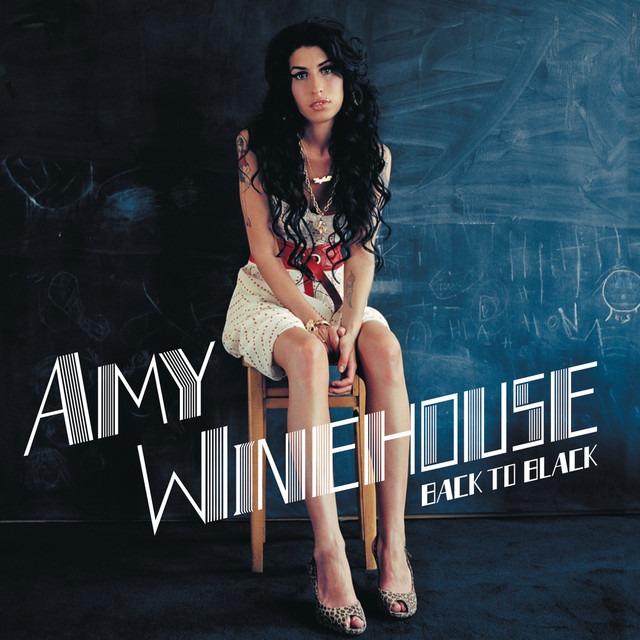
Amy Winehouse had a voice that seemed to carry lifetimes and lyrics steeped in heartbreak and resilience. Back to Black remains one of the most powerful soul albums of the 21st century.
Chris Bell, co-founder of Big Star, crafted shimmering power-pop songs that would go on to influence countless indie rock bands. His legacy is felt far beyond the records he made.
Jean-Michel Basquiat was best known as a painter, but also formed the band Gray. His work—visual and musical—intersected with punk, hip-hop, and the energy of New York’s art scene.
Richey Edwards, lyricist for the Manic Street Preachers, was known for his intensity and intellectual depth. His disappearance in 1995 added mystery to a legacy already rich with meaning.
Jeremy Ward, a sonic architect for The Mars Volta, helped shape their boundary-pushing sound. His manipulation of samples and textures brought new dimensions to progressive rock.
Alexander Bashlachev was a poet and rock musician in Soviet-era Russia. His words captured the tension and longing of a generation navigating deep cultural change.
D. Boon, guitarist and singer of the Minutemen, made punk personal and political in short, sharp bursts. His work helped build the foundation for the American indie movement.
Mia Zapata, frontwoman of The Gits, blended punk fury with soul-infused vocals. Her voice and story have since inspired activism and community in the Seattle music scene.
Fredo Santana, a leading voice in Chicago’s drill scene, created music filled with urgency and raw reflection. His influence continues to echo through the current hip-hop landscape.
MohBad, a rising Nigerian rapper, blended Afrobeats, hip-hop, and streetwise storytelling. His growing legacy reflects the global reach and emotional power of contemporary African music.
The 27 Club reminds us how fragile genius can be—but it also reminds us that creative legacy doesn’t fade with time. These artists made the kind of impact that lasts decades, echoing across playlists, record shelves, and memories. Their work continues to find new ears, new hearts, and new meaning—one song at a time.