


Rock and roll may have started with a swagger and a sneer, but some of its fiercest fire came from women who took the stage like they owned it—because they did. These trailblazers did not wait for permission. They kicked down the doors of the boys’ club, turned the amps up to eleven, and rewrote what it meant to be a rock star. They did it their way—with eyeliner, distortion pedals, and lyrics that still echo today.
Here are ten of the most influential women in rock, listed alphabetically like your favorite record store bin, but packed with thunder and legacy.
Chrissie Hynde
Chrissie Hynde walked into the punk scene with a leather jacket and a razor-sharp pen. As the leader of The Pretenders, she gave rock music both elegance and grit, all while playing guitar like it was an extension of her soul. Her songs spoke of longing and rebellion in equal measure, sung with a voice that sounded like a romantic punch to the gut. She proved that you could be poetic and powerful—and she never blinked.
Debbie Harry
Debbie Harry made punk glamorous and made glam dangerous. With Blondie, she bridged New York’s underground scene with disco, new wave, and art-pop brilliance. Her bleach-blonde look was iconic, but her voice and swagger were the real stars. Debbie sang with cool detachment one moment and wild ferocity the next—and through it all, she made it very clear who was in charge.
Grace Slick
Grace Slick did not just front a band—she led a psychedelic revolution with Jefferson Airplane. Her voice could float like a feather or tear through the fog like a battle cry. “White Rabbit” was more than a song; it was a challenge to wake up and question everything. Grace brought surrealism, power, and unapologetic intellect to a generation ready to get weird and get loud.
Janis Joplin
Janis Joplin poured every ounce of her being into every note she sang. Her voice was gravel and gold, pure emotion pushed through a mic and into history. She took blues and made it electric, made it dangerous, made it hers. Janis did not just perform—she howled, she wept, and she set stages on fire with the sheer force of her presence.
Joan Jett
Joan Jett loves rock and roll, and she made sure the world knew it. She started with The Runaways, took on the industry that said no, and came back with a sound so fierce it refused to be ignored. With her leather-clad look and snarling riffs, she became a symbol of defiance. Joan made it clear that girls could rock just as hard—and maybe even harder.
Kim Gordon
Kim Gordon did not need to scream to shake the ground. As bassist, vocalist, and co-founder of Sonic Youth, she created noise that felt like art and made art that sounded like rebellion. She turned dissonance into beauty and cool detachment into strength. Kim redefined what it meant to be powerful onstage—intellectual, experimental, and utterly untouchable.
Patti Smith
Patti Smith is the poet laureate of punk. With a battered guitar and a stack of Rimbaud poems, she exploded onto the scene with raw truth and fearless soul. “Horses” was a manifesto disguised as an album, and her voice remains an anthem for the outsiders and dreamers. Patti did not just influence rock—she rewrote its DNA with words and wisdom.
Polly Jean Harvey (PJ Harvey)
PJ Harvey makes intensity feel intimate and art feel like confession. With every album, she shapeshifts into a new persona—vamp, warrior, chronicler of war and womanhood. Her music is fearless, often unsettling, and always brilliant. PJ built a career on reinvention and honesty, and her influence can be heard in every whisper and wail across modern rock.
Stevie Nicks
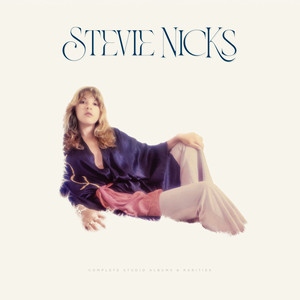
Stevie Nicks floats through rock history in a haze of chiffon and stardust, but do not be fooled—her songwriting hits like a spell. With Fleetwood Mac and as a solo artist, she created emotional anthems that feel both mystical and grounded. Her voice, instantly recognizable, is the sound of heartbreak, hope, and magic all at once. Stevie is not just a rock icon—she is a rock sorceress.
Tina Turner
Tina Turner roared her way from R&B beginnings to full-blown rock royalty. Her performances were volcanic—she did not walk onstage; she erupted. With every shake, stomp, and shout, she embodied survival and strength. Tina’s voice was pure power, and her influence stretched across genres, genders, and generations.
These women did more than play music. They inspired, innovated, and ignited a fire that keeps burning through amps, headphones, and festival fields. They are not just part of rock history. They are its heart, its edge, and its future.
Now go turn it up.