


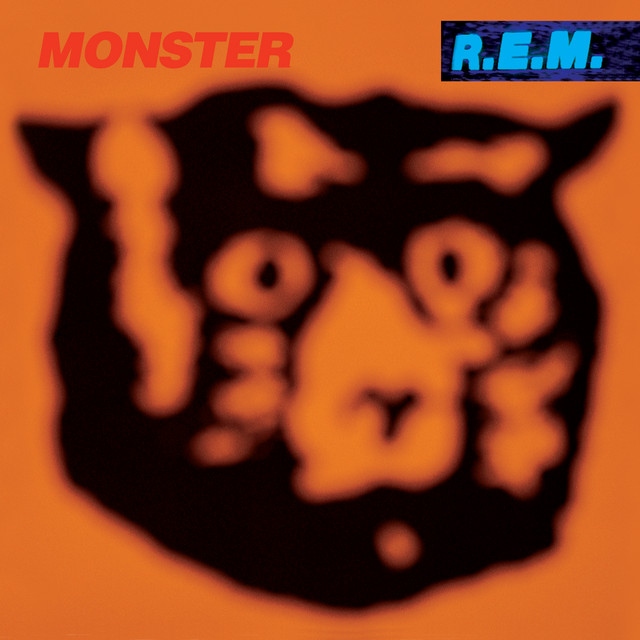
Released in September 1994, R.E.M.’s Monster marked a dramatic sonic pivot—cranking up the amps, muting the acoustics, and trading in mandolins for tremolo-soaked guitar riffs. After two landmark records of introspection, the band charged into glammy, grungy territory with swagger, sadness, and surrealism. Here are five electrifying facts you might not know about Monster—a record where characters roam, ghosts linger, and the distortion speaks louder than the lyrics.
1. “Let Me In” Was Played on Kurt Cobain’s Guitar
One of the most powerful songs on Monster, “Let Me In” was written for Michael Stipe’s friend Kurt Cobain, shortly after his death in 1994. The song’s swirling emotion came straight from the source: bassist Mike Mills recorded it using Cobain’s own Fender Jag-Stang guitar, gifted to him by Courtney Love. Since Cobain was left-handed and Mills is right-handed, the guitar was played upside down. The band captured the track with thick organ textures and raw performance energy—grief expressed without polish or pretension.
2. “What’s the Frequency, Kenneth?” Was Inspired by a Real-Life Media Mystery
The album’s lead single takes its title from an infamous 1986 incident in which CBS news anchor Dan Rather was attacked by a man repeating the phrase, “What’s the frequency, Kenneth?” Michael Stipe turned that strange cultural moment into a Gen X fever dream, singing in the voice of a confused media figure trying to decode youth culture. The song’s sudden tempo drop at the end wasn’t part of the plan—bassist Mike Mills was unknowingly battling appendicitis while recording it, and the band followed his slowing pace. They kept the take.
3. River Phoenix and Migraine Boy Helped Shape the Album’s Mood and Look
Monster is dedicated to River Phoenix, a close friend of Michael Stipe’s, and his death deeply influenced the album’s emotional tone. Stipe couldn’t write for months after the loss, until lyrics for songs like “Crush With Eyeliner” and “Circus Envy” began to surface. The album’s visual world also carried unexpected depth: the orange cover features a blurry bear head, while the liner notes include appearances by indie comic character Migraine Boy. The surreal meets the sentimental, just as it does in the music.
4. Most of the Album Was Recorded Live in the Studio
R.E.M. approached Monster with one goal in mind: make an album that could fill arenas. Many of the tracks were recorded live, as though the band were already on tour. Producer Scott Litt set up stage monitors and PAs to give the sessions a concert vibe. This raw approach added urgency and grit to the mix—and challenged the band to lean into simplicity and immediacy. The result was both louder and looser than anything they’d recorded in years.
5. “Strange Currencies” Nearly Missed the Cut for Sounding Too Familiar
Originally shelved for having a similar rhythm to “Everybody Hurts,” “Strange Currencies” was rescued by a vocal melody the band couldn’t ignore. Its 6/8 timing and swelling emotional arc helped it become one of Monster’s most beloved ballads, climbing to the top 10 in the UK. Michael Stipe described the song as an earnest plea—someone using the power of words to convince another that they’re meant to be. Its quiet persistence stands in contrast to the record’s louder moments, making it even more essential.
Monster roared onto the scene with jagged guitar lines, glam rock gloss, and a tangle of masks and meaning. It remains a snapshot of a band in transition—dealing with grief, fame, noise, and reinvention all at once. Behind the fuzz and feedback, there’s vulnerability, experimentation, and deep creative courage.