


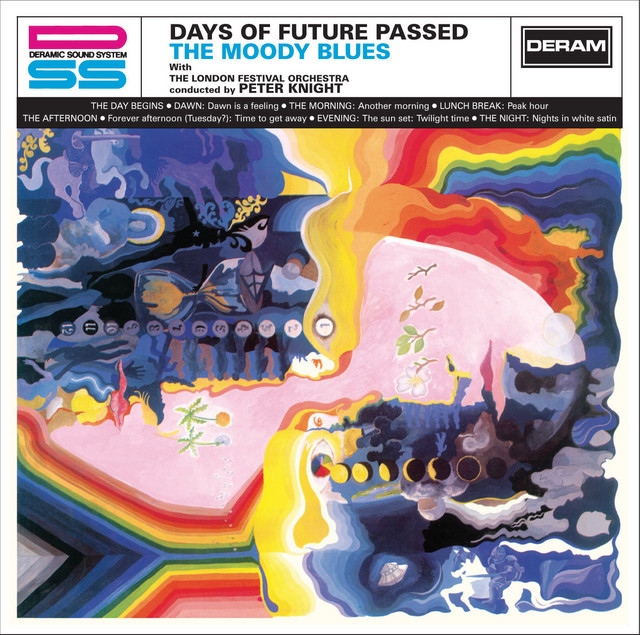
Released in November 1967, Days of Future Passed by The Moody Blues wasn’t just another album—it marked a bold reinvention. With a new lineup, a new sound, and a Mellotron in tow, the band turned a record label’s classical crossover request into one of the earliest and most influential progressive rock concept albums. Fusing symphonic orchestration with lush psychedelic pop and poetic storytelling, they mapped out a full day in the life of an ordinary person—and in doing so, reshaped the possibilities of rock music forever. Here are five lesser-known facts about how this timeless album came to life.
1. They Tricked the Label… to Make a Masterpiece
Decca Records wanted a stereo demonstration record with The Moody Blues covering Dvořák’s New World Symphony alongside early rock classics like “Blue Suede Shoes.” Instead, the band recorded their live set of original songs—Days of Future Passed—without telling the label. When the executives finally heard the final mix, they were surprised, but one champion believed in the record. That was all it took to release it.
2. The Mellotron Made the Magic Happen
Mike Pinder introduced the Mellotron to the group, having once worked for the company that built it. It wasn’t just a keyboard—it was a machine that played tape loops of orchestral instruments. Pinder customized it, removed the rhythm loops, and built a dual-solo setup. With this modification, the Mellotron became the foundation of the band’s new sound and transformed “Nights in White Satin” into something celestial.
3. “Tuesday Afternoon” Was Born in a Field with a Dog Named Tuesday
Justin Hayward wrote “Tuesday Afternoon” in a field near Lypiatt Park while visiting his parents. He had his guitar, a moment of solitude, and a dog named Tuesday nearby. The song flowed out during a quiet psychedelic moment of inspiration. Though the dog isn’t in the song, that pastoral setting made its way into every note of the track.
4. The Orchestral Parts Were Recorded in One Afternoon
Peter Knight and the London Festival Orchestra recorded all their parts in a single three-hour session. The band wasn’t present, but the arrangements were meticulously built around the songs the group had already recorded. The orchestral interludes act like bridges in a dream—connecting each moment of the day into one seamless journey.
5. “Nights in White Satin” Wasn’t Meant to Be a Hit—Until It Was
The band first recorded “Nights in White Satin” for the BBC. They heard it on the radio while driving and pulled the van over to listen. Something about the sound gave them hope. Years later, when it was reissued in 1972, it soared to #2 on the Billboard Hot 100 and #1 on Cash Box. From a flatmate’s bedsheets to FM radio immortality, the song never stopped growing.
The Moody Blues rewrote their future by trusting their vision, experimenting with new tools, and embracing their own stories. More than 50 years later, the album still feels expansive, intimate, and full of wonder—just like the day it set out to explore.