


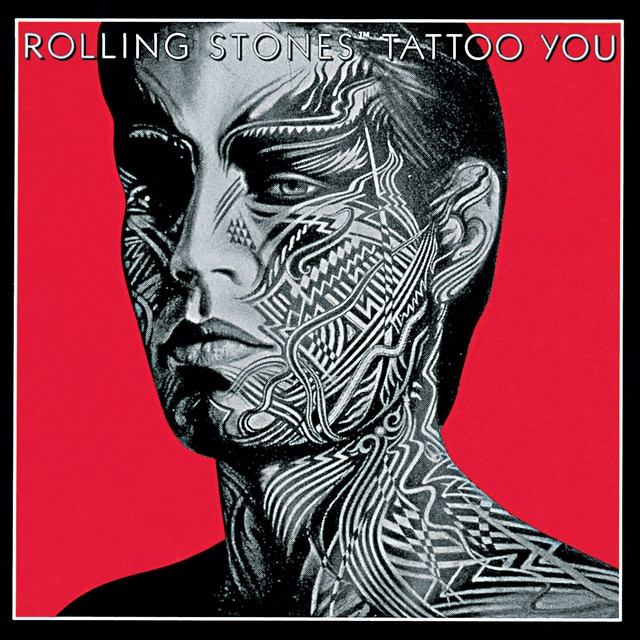
Released on August 24, 1981, Tattoo You roared into the world on a riff, a swagger, and a stack of tapes the band had nearly forgotten about. Built from sessions dating back as far as 1972, it became a chart-topping classic powered by spontaneity, craftsmanship, and a little rock and roll serendipity. Here are five things you might not know about the Stones’ final U.S. #1 studio album—and why its magic still rolls strong.
1. “Start Me Up” Began Life as a Reggae Jam
Originally recorded as “Never Stop” in 1975, “Start Me Up” ran through more than 40 reggae takes before engineer Chris Kimsey uncovered a scrappy rock version buried in the vaults. Keith Richards’ opening riff, now a rock and roll signature, had been waiting patiently for six years. Mick Jagger’s lyrics were completed just in time for the 1981 tour, and the final track was touched up with bathroom reverb, handclaps, and just the right amount of swagger. The Stones didn’t plan this anthem—it found them when the moment was right.
2. “Waiting on a Friend” Was Nearly a Decade in the Making
The gentle warmth of “Waiting on a Friend” was sparked in 1972 during the Goats Head Soup sessions in Jamaica. The music sat quietly for nearly ten years until Jagger added lyrics about friendship and aging, showing a more reflective side of the frontman. Legendary saxophonist Sonny Rollins recorded his solo while Jagger danced out the rhythm in the studio, using movement as a cue. With Nicky Hopkins on piano and Peter Tosh sitting on the stoop in the video, the track became a soulful snapshot of connection—one that reached #13 on the Billboard charts.
3. The Album Was Built From Forgotten Fragments
Producer Chris Kimsey pieced Tattoo You together from leftover recordings, half-finished jams, and previously shelved gems. “Slave,” “Tops,” and “Worried About You” were all tracked years earlier with Billy Preston, Mick Taylor, and Wayne Perkins, each adding their own magic. New vocals and overdubs brought the tracks to life. The Stones shaped it all into two distinct sides: one made for strutting, and the other for swaying. No filler. No throwaways. Just songs waiting for their spotlight.
4. The Album Cover Was a Grammy-Winning Masterpiece
Peter Corriston’s striking black-and-red cover design, illustrated by Christian Piper, stood out even in the golden age of album art. With Jagger’s face transformed into a tribal tattoo sculpture, it earned the band their first Grammy Award—for Best Album Package. The photo sessions, the typography, and the overall concept helped define the aesthetic of the early MTV era. Even now, Tattoo You remains instantly recognizable, just like its sound.
5. “Tattoo You” Almost Had a Different Name—And Caused a Clash
The album was originally going to be called Tattoo. At some point—exactly when remains unclear—the title became Tattoo You. Jagger says he still doesn’t know how that happened. Richards suspected the change had been made without his input, and it sparked tension. Still, whatever the title, the music united them. With three Top 20 hits, nine weeks at #1 in the U.S., and over 4× platinum in sales, Tattoo You turned reclaimed studio scraps into timeless stadium rock.
Tattoo You is a perfect reminder that great songs are never truly lost. Whether captured in a single take or uncovered years later, the Stones’ instinct for rhythm, soul, and electricity turned a pile of tape reels into a rock and roll triumph.