


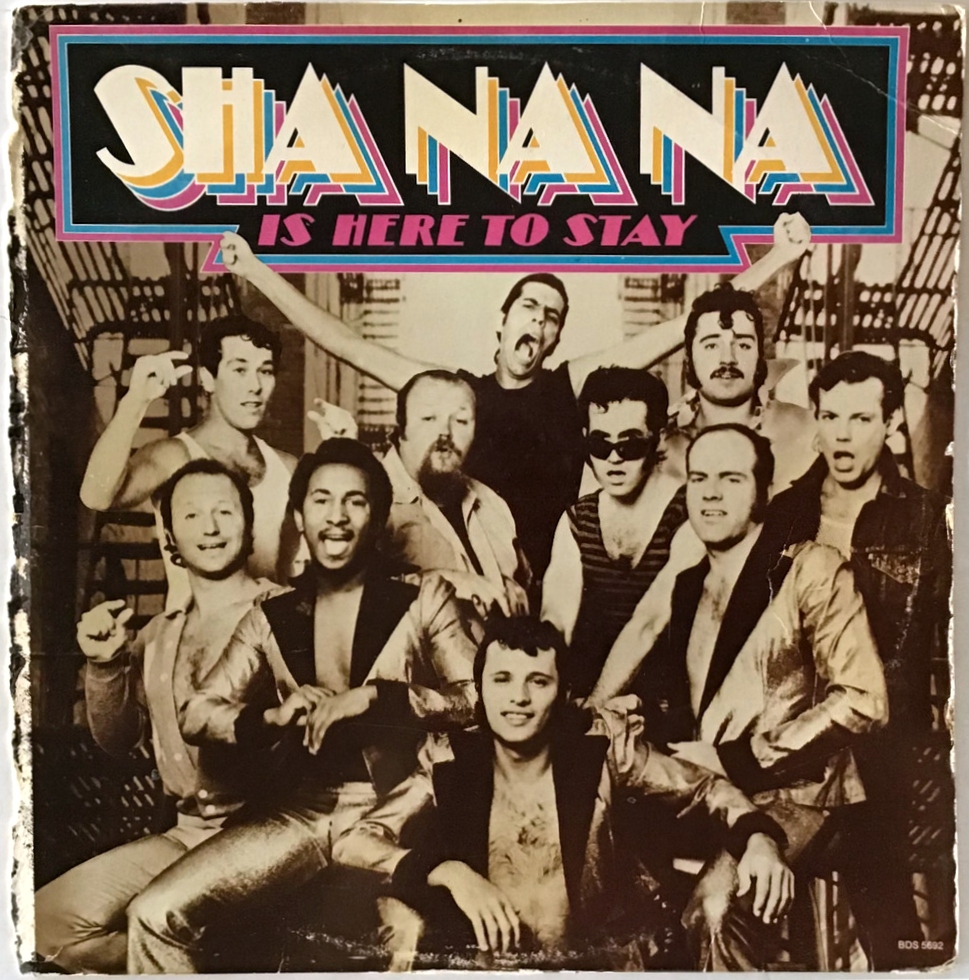
In a decade known for disco balls, platform shoes, and glam rock glitter, Sha Na Na arrived slicked-back, doo-wopped, and ready to party like it was 1959. Clad in gold lamé, letterman sweaters, and more pomade than a drugstore shelf, this group didn’t just revive rock ‘n’ roll nostalgia — they embodied it. And in doing so, they became one of the most unexpected cultural phenomena of the 1970s.
Sha Na Na formed out of Columbia University in 1969, and just days after their debut, they were opening for Jimi Hendrix at Woodstock. That sentence alone is proof of how surreal and perfectly timed their act was. While other bands expanded the boundaries of psychedelia, Sha Na Na went backward — offering fast-paced, harmony-rich, and hilariously choreographed tributes to early rock and doo-wop.
What made them click wasn’t irony — it was joy. Their performances were celebratory, theatrical, and filled with genuine reverence for the golden age of American pop. They weren’t winking at the past; they were dancing in it. Songs like “At the Hop,” “Teen Angel,” and “Get a Job” weren’t just covers — they were reintroductions, lighting up TV sets and concert halls with energy that felt both timeless and deeply rooted.
By 1977, the band had their own syndicated TV show — Sha Na Na — which ran for four years and reached millions. It featured live performances, comedy skits, and a parade of musical guests that included Chuck Berry, Chubby Checker, and The Ramones. In a cultural moment where both Happy Days and Grease were reviving interest in 1950s Americana, Sha Na Na were the house band for an entire retro boom.
Speaking of Grease — they played the high school dance band Johnny Casino and the Gamblers in the film, cementing their place in rock ’n’ roll mythology. If there’s a cooler sentence than “We played the prom in Grease,” it has yet to be written.
Sha Na Na brought the 1950s to the 1970s not as costume, but as cultural connection. They reminded a generation shaped by Vietnam and Watergate that music still had the power to be fun, freeing, and uncomplicated. Their success wasn’t about nostalgia as escape — it was nostalgia as celebration.
So the next time you hear a doo-wop harmony or a saxophone solo that sounds like it’s spinning from a jukebox in 1957, remember: before retro was cool, Sha Na Na was already sliding across the floor in bowling shoes, bringing the past into the spotlight — one ducktail at a time.