


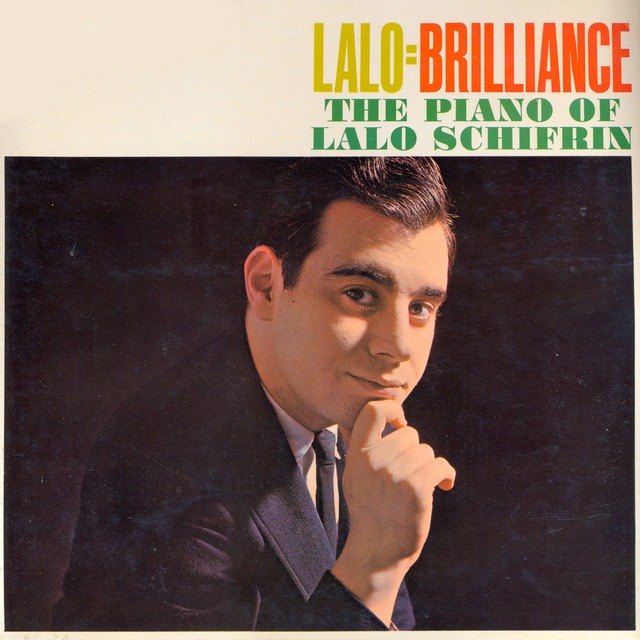
Lalo Schifrin lived his life in rhythm. From Buenos Aires to Hollywood, jazz clubs to concert halls, his compositions danced between genres, broke time signatures, and redefined what film music could be. While most know him from Mission: Impossible or Enter the Dragon, here are 25 lesser-known facts about the maestro who brought cinematic cool to a whole new level.
He was born in Buenos Aires in 1932 to a Jewish family steeped in classical music.
His father, Luis Schifrin, was the second violinist for 30 years at Teatro Colón.
Lalo studied piano with Enrique Barenboim—father of renowned conductor Daniel Barenboim.
He also studied with Greek-Russian pianist Andreas Karalis and Argentine composer Juan Carlos Paz.
Though enrolled in sociology and law at the University of Buenos Aires, music always pulled harder.
At 20, he earned a scholarship to the Conservatoire de Paris—and played jazz in clubs at night.
In 1955, he performed with Astor Piazzolla at the International Jazz Festival in Paris.
He returned to Argentina and formed a 16-piece jazz orchestra for a popular weekly TV variety show.
In 1958, he wrote Gillespiana, an extended jazz work for Dizzy Gillespie’s big band.
That same year, he joined Xavier Cugat’s Latin dance orchestra as an arranger.
He moved to New York in 1960 to play piano in Gillespie’s quintet and compose The New Continent.
In 1963, he recorded Buenos Aires Blues with Johnny Hodges and wrote two original tracks.
That year, MGM offered him his first Hollywood film, Rhino!—and he moved to Los Angeles.
He became a U.S. citizen in 1969, six years after his Hollywood journey began.
The Mission: Impossible theme is written in 5/4 time—and the rhythm mimics Morse code for M.I.
His Cool Hand Luke cue “Tar Sequence” became the theme for Eyewitness News and Nine News.
CBS used part of his St. Ives score for its golf broadcasts in the 1970s and 1980s.
He composed the funky, unforgettable music for Enter the Dragon in 1973.
His score for The Exorcist was famously rejected for being too intense for audiences.
He created Paramount’s iconic 1976 fanfare, used in various forms for nearly 30 years.
In the 1990s, he arranged music for The Three Tenors’ concerts.
His piece “Danube Incident” was later sampled by artists like Portishead and Heltah Skeltah.
In 2003, he was commissioned by the Sultan of Oman to compose Symphonic Impressions of Oman.
He received an Honorary Academy Award in 2019 for his musical style and contributions to film.
In 2024, he co-composed a sweeping 35-minute symphony with Rod Schejtman, premiered at Teatro Colón in 2025.
Lalo Schifrin scored our thrills, our chills, and the impossible. His music leapt off the screen and straight into pop culture, never afraid to bend the rules—or time signatures. Now that he’s gone, we’re left with the legacy of a man who turned every note into narrative. Bravo, maestro.