


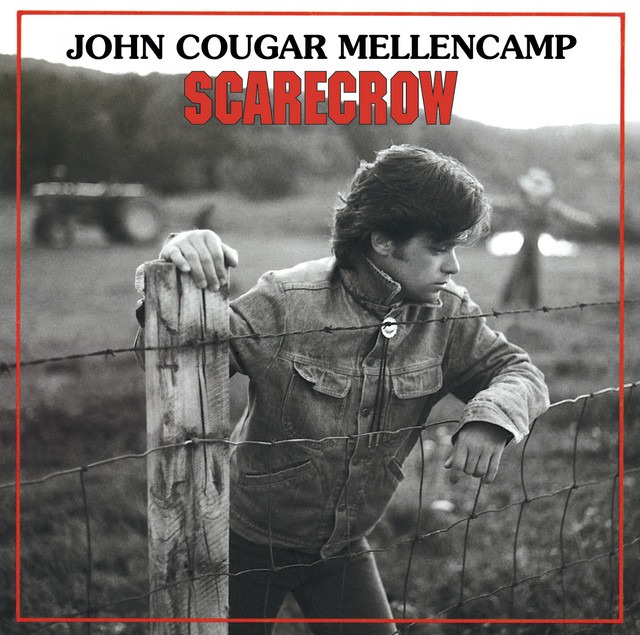
When Scarecrow hit shelves on July 31, 1985, John Cougar Mellencamp wasn’t just writing hits—he was writing history. With three Billboard Top 10 singles and a sound that bridged heartland rock and American protest music, the album became a cultural touchstone of the mid-80s. But behind the roaring success of “Small Town” and “R.O.C.K. in the U.S.A.” lies a wealth of lesser-known stories that shaped its creation and legacy.
1. The Band Rehearsed 100 Songs From the ’60s—On Purpose
Before stepping into the studio, Mellencamp had his band rehearse about 100 rock and roll songs from the 1960s. The goal? To absorb the essence of that era’s music and channel it into something fresh. Producer Don Gehman called it a way to “learn all these devices from the past and use them in a new way.”
2. “Rain on the Scarecrow” Was Mellencamp’s Political Turning Point
Co-written with lyricist George M. Green, “Rain on the Scarecrow” marked Mellencamp’s shift from personal storytelling to social commentary. The song tackled the 1980s American farm crisis head-on, drawing from Mellencamp’s own Indiana roots. It later became a signature track at the first Farm Aid concert, which he co-founded.
3. “Small Town” Was Written in a Laundry Room
Mellencamp wrote “Small Town” in the laundry room of his house while guests laughed upstairs. Using an electronic typewriter that beeped at typos, he crafted lyrics about growing up in Seymour, Indiana. What started as a joke among friends became one of the most beloved anthems of rural pride.
4. “Lonely Ol’ Night” Took Its Title From a Paul Newman Film
The title for “Lonely Ol’ Night” came from a line in Hud, the 1963 film starring Paul Newman. Mellencamp had watched the movie repeatedly and was deeply influenced by its themes of strained family ties and isolation. It gave the song emotional depth—and also a title that felt familiar and evocative.
5. “R.O.C.K. in the U.S.A.” Almost Didn’t Make the Album
Mellencamp nearly cut “R.O.C.K. in the U.S.A.” from Scarecrow entirely. He thought it was too light-hearted for an album packed with weighty themes. But at the last minute, he added it to the cassette and CD editions as a bonus track—only for it to become one of his biggest hits.
Scarecrow may have reached #2 on the Billboard 200, but its cultural and emotional resonance can’t be measured on a chart. From political protest to personal reflection, the album captures an era of reckoning and reinvention. And as Mellencamp said himself, Scarecrow was the moment he realized what he wanted to say. Turns out, it was something we all needed to hear.