


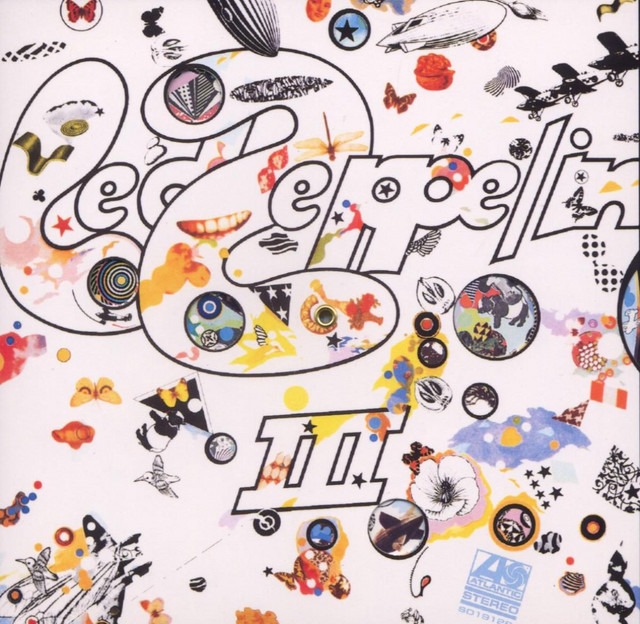
When Led Zeppelin III was released on October 5, 1970, it flipped the script on what a hard rock band could sound like. Sure, “Immigrant Song” still roared like thunder, but nestled between the riffs were acoustic guitars, mandolins, and songs that felt more campfire than coliseum. Behind its spinning volvelle cover and chart-topping success lies a story packed with creativity, wild recording methods, and a lot of heart. Here are five lesser-known facts about this landmark album.
1. The album was born in a cottage with no electricity or water.
Robert Plant and Jimmy Page holed up in Bron-Yr-Aur, an 18th-century stone cottage in rural Wales, to decompress after relentless touring. With no power, no running water, and nothing but the landscape around them, they unplugged—literally and musically. This back-to-basics retreat inspired the acoustic direction of songs like “That’s the Way” and “Bron-Y-Aur Stomp,” bringing a whole new vibe to the band’s sound.
2. “Bron-Y-Aur Stomp” is actually about Robert Plant’s dog.
That joyful foot-stomper of a track? It’s a tribute to Plant’s blue-eyed Merle named Strider—yes, named after Aragorn from The Lord of the Rings. The song captures the simple pleasure of roaming the countryside with your best four-legged friend, with Bonham on spoons and Jones on double bass adding to the down-home feel. At live shows, Plant would often end the song with a proud shout: “Strider!”
3. One of the intros was built from a happy accident.
“Celebration Day” was supposed to open with a thunderous Bonham drum intro—until a studio engineer accidentally erased it. Rather than re-record it, the band seamlessly blended in a droning Moog synthesizer fade from the previous track, “Friends.” The result turned a technical mistake into a psychedelic bridge, showing Zeppelin could improvise magic just as well as they could plan it.
4. The spinning album cover is pure rock art wizardry.
Designed by multimedia artist Zacron, the Led Zeppelin III cover featured a rotating cardboard disc (called a volvelle) with dozens of trippy images visible through holes in the outer sleeve. Page personally chose Zacron to create it, and the design delayed the album’s release because of its complexity. It’s one of the most iconic—and interactive—album packages of all time, showing Zeppelin’s commitment to music as full-on experience.
5. The bluesy “Since I’ve Been Loving You” was recorded almost live.
This epic track was one of the first written for the album and captured in a near-live studio take. John Paul Jones played bass pedals and Hammond organ simultaneously, while Jimmy Page delivered a soaring solo in one powerful, emotional sweep. It became their definitive live blues number for years to come and remains a fan favorite for its raw, soul-deep intensity.
Led Zeppelin III might have surprised fans in 1970, but its blend of ferocity and folk has aged like the finest whiskey. From Welsh hillsides to pedal steel heartbreaks, it proved that Zeppelin could play anything they set their minds (and mandolins) to—and sound like legends doing it.