


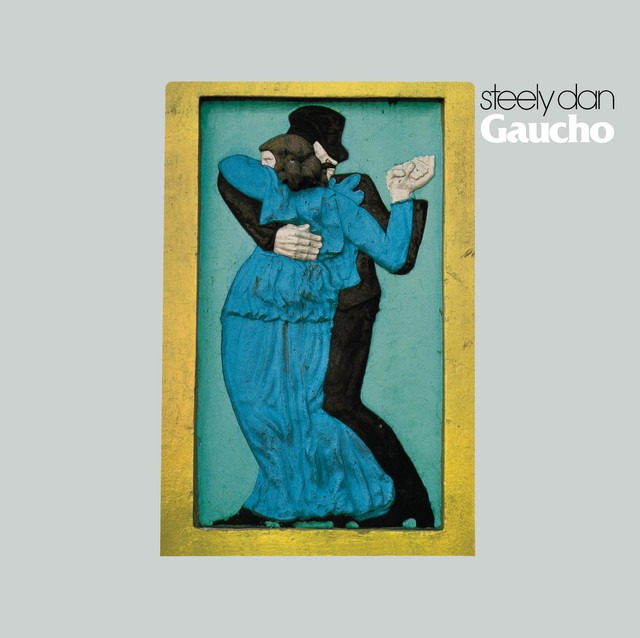
Steely Dan’s Gaucho, released in November 1980, shimmered with immaculate production, sly lyrics, and rhythms as smooth as a jazz cocktail at sunset. The album arrived after Aja with high expectations and delivered seven polished tracks that leaned deep into atmosphere and sonic precision. But behind all that polish? Chaos, lawsuits, lost tapes, and one very special drum machine. Here are five little-known facts that bring the making of Gaucho into focus—just the way Becker and Fagen liked it.
1. A drum machine named Wendel earned a platinum record.
When Becker and Fagen couldn’t get their ideal drum sound, their engineer Roger Nichols built one. The result was Wendel, a custom digital drum machine that made perfect beats. They used Wendel on tracks like “Hey Nineteen,” “Glamour Profession,” and “My Rival.” It was so crucial to the sound of Gaucho that when the album went platinum, Wendel got its own plaque. Steely Dan’s most dependable drummer turned out to be a box of circuits.
2. Mark Knopfler plays on “Time Out of Mind”… but blink and you might miss it.
The Dire Straits frontman was brought in to solo on the track and worked on it until 4 a.m. The experience was so intense he compared it to swimming with lead weights. He thought the sessions went poorly, but Becker and Fagen loved his tone. His part made it onto the final version—though only a brief snippet can be clearly heard. Still, it’s a Steely Dan rite of passage: great musicians giving their all for a few perfect bars.
3. The fadeout of “Babylon Sisters” took over 55 mixes.
Becker, Fagen, producer Gary Katz, and engineer Roger Nichols mixed the 50-second fade dozens of times. The team pushed the limits of analog tape just to perfect how the song drifted away. Even by Steely Dan standards, this became a studio obsession. The result feels effortless, but it came from relentless tweaking. This is where studio perfectionism becomes performance art.
4. A near-finished track was erased—and replaced with a leftover from Aja.
“The Second Arrangement” was a standout track until an assistant accidentally wiped most of the tape. The band tried to re-record it, but the moment had passed. So they reached back and dusted off “Third World Man,” recorded during The Royal Scam sessions. That’s how guitarist Larry Carlton ended up on Gaucho without even realizing it. Only in the world of Steely Dan does an erased song lead to a cult classic.
5. The album cover came from a tango sculpture in Buenos Aires.
The striking cover of Gaucho features two dancers locked in motion, taken from a low-relief sculpture by Argentine artist Israel Hoffmann. The piece, titled Guardia Vieja – Tango, lives in a street museum in the vibrant La Boca neighborhood of Buenos Aires. Steely Dan chose the image for its elegant, mysterious feel—perfectly matching the album’s polished, jazz-tinged atmosphere. The figures seem frozen mid-dance, much like the songs themselves: intricate, stylish, and full of stories beneath the surface. It’s a visual cue that this album moves to its own rhythm.
Gaucho may glide like a luxury yacht on calm waters, but under the surface, it’s full of stories. Drum machines earned plaques, solos hid in plain sight, and a single fadeout took dozens of tries. Steely Dan created more than an album—they built a legend, one perfect take at a time.