


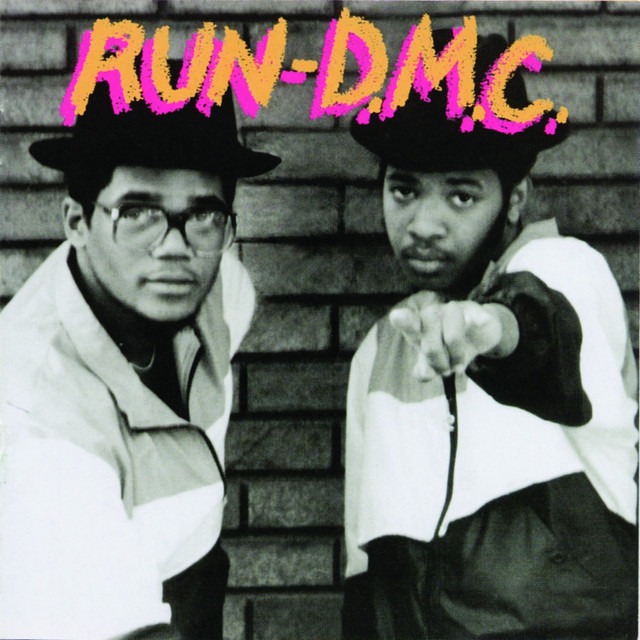
Released on March 27, 1984, Run-D.M.C. marked the beginning of a legendary career and redefined what hip hop sounded like, looked like, and stood for. Gone were the disco breaks and glittery suits. In came stark beats, shouted rhymes, black Lee jeans, and Adidas with no laces. Run, D.M.C., and Jam Master Jay kicked down the door. to the genre and forever changed it. You already know the impact. Here are five facts you might not.
1. “Rock Box” made MTV history—and got a guitar solo by accident
When Run-D.M.C. showed up at the studio to record, they had to wait for a heavy metal band to finish their session. That band? Riot. Inspired by the massive guitar sounds, producer Larry Smith brought in guitarist Eddie Martinez to lay riffs over “Rock Box.” At first, the group didn’t love the rock version. But the label put it out, and it became the first rap video to air on MTV. One song, one crossover, one blueprint for the future.
2. “It’s Like That” started as a $100 rhyme sheet
Run had written a batch of lyrics, sold them to producer Larry Smith for $100, and figured they’d be recorded by someone else. Instead, Run and D.M.C. asked Smith and Russell Simmons to let them try it themselves. They recorded “It’s Like That” over a stark, minimalist beat, trading lines with conviction and clarity. That song became their debut single—and a declaration of a new era in hip hop.
3. “Hard Times” came from Kurtis Blow, with a Run-D.M.C. twist
Before they were rap pioneers, Run was Kurtis Blow’s DJ. So when it came time to record their debut, they revisited one of Blow’s tracks: “Hard Times.” Their version stripped it down—less funk, more stomp. The connection ran deep: Larry Smith had worked on both versions, and Russell Simmons (Run’s older brother) managed Blow. The result was a grittier, no-frills anthem that laid the foundation for Run-D.M.C.’s voice.
4. The album cost $25,000—split four ways
Profile Records gave the group a $25,000 advance to make the album. $15,000 went into studio time. The remaining $10,000 was split between Joseph “Run” Simmons, Darryl “DMC” McDaniels, Larry Smith, and Russell Simmons. Whether Jam Master Jay was paid remains a mystery. But what’s clear is this: they turned a modest budget into the most influential rap debut of the decade.
5. Their style wasn’t a gimmick—it was the revolution
The leather jackets, Adidas without laces, and Kangol hats weren’t stage costumes. That was Hollis, Queens. That was real life. Run-D.M.C. showed up on magazine covers and TV screens looking like they stepped off the subway, not a runway. With “Rock Box,” they weren’t just changing music—they were changing how artists looked, dressed, and owned their space.
Run-D.M.C. made hip hop louder, leaner, and tougher. This album set the trends, invented them. Every beat, every line, every stomp of the sneaker said: this is the new school, and we’re already running it.