


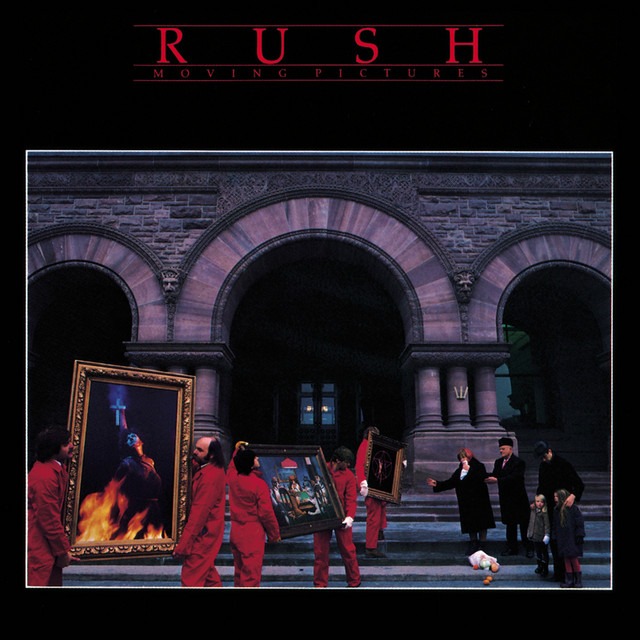
Released on February 12, 1981, Moving Pictures was the lightning strike that sent Rush into rock immortality. With a sharper, leaner sound, tighter arrangements, and just the right dose of synth, this album marked a new era for the Canadian power trio. Fans heard “Tom Sawyer” and knew instantly—they were in the presence of something big. But behind the five million copies sold, the Grammy nods, and the airwave dominance, there’s a treasure trove of stories. Here are five little-known facts about Moving Pictures that remind us why it moves people to this day.
1. “YYZ” literally spells Toronto
Rush named the track “YYZ” after the airport code for Toronto Pearson International, their home base. The opening rhythm of the song actually spells out “YYZ” in Morse code, hammered out by Neil Peart and echoed by Geddy Lee on bass. It started as a warm-up jam between the two and evolved into one of the band’s most beloved instrumentals. What began as a nod to a homecoming turned into a masterclass in rhythm, musicianship, and musical storytelling.
2. “Tom Sawyer” almost didn’t make it out of the studio
Rush had more technical hiccups mixing “Tom Sawyer” than any other track on the record. Their computer-controlled mixing system went down, so each band member took over a section of the console and mixed it manually—like flying a spaceship with three pilots. The synth riff came from Geddy’s soundcheck noodling, nearly forgotten until the band pieced it back together. Today, it stands as one of their most iconic songs, and a staple of live shows around the world.
3. The cover art is actually three covers in one
Artist Hugh Syme delivered a triple visual pun on the Moving Pictures sleeve. Movers are carrying paintings. People are emotionally “moved” by the art. And on the back cover, a film crew is making a literal moving picture. It was shot outside the Ontario Legislature in Toronto, featuring friends, artists, and even Syme’s neighbors as the cast. For fans lucky enough to see the behind-the-scenes film at a Rush concert years later, the whole concept clicked into motion.
4. “Red Barchetta” was inspired by a car magazine short story
Neil Peart built “Red Barchetta” from a 1973 Road & Track short story titled “A Nice Morning Drive.” In it, speed is outlawed and drivers sneak onto the roads in old-school machines. Peart swapped the car from an MGB to a sleek Ferrari 166 MM Barchetta and set the lyrics to music that captures the thrill of escape. The track channels freedom, rebellion, and the joy of breaking away—all wrapped in cinematic guitar work and lyrical precision.
5. The crowd chatter on “Witch Hunt” came from a freezing driveway
The eerie mob heard at the start of “Witch Hunt” wasn’t a sound effect—it was Rush and the studio crew standing in the snow outside Le Studio, shouting while drinking Scotch. Alex Lifeson admitted one of the voice clips includes a perfectly timed shout of “Fucking football,” if you listen closely enough. The scene was layered again and again until it transformed into a rising tide of paranoia—perfectly setting the mood for one of the band’s darkest tracks.
Moving Pictures carved out a new chapter in progressive rock. From Morse code riffs to multi-layered visuals, it’s an album that rewards close listening, and then some. Every spin reveals something new. Rush didn’t follow the rules—they rewrote the map, made it rhyme, and added a drum solo in 7/8 time for good measure.