


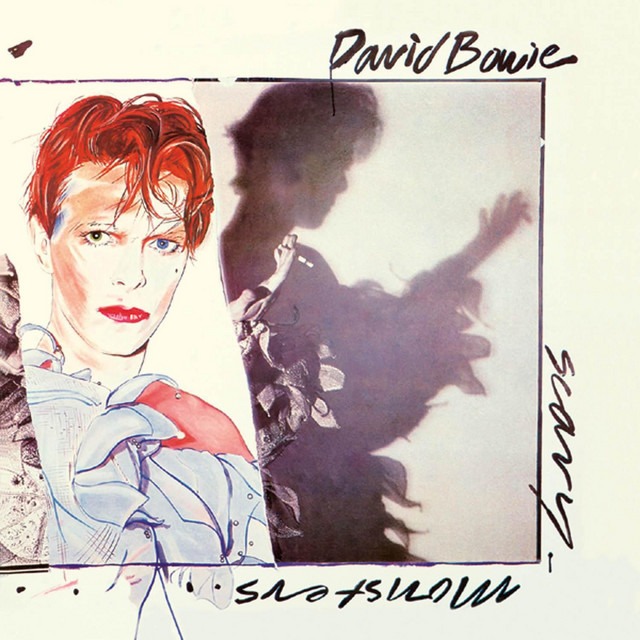
In September 1980, David Bowie stepped out of the Berlin shadows and straight into a Pierrot costume. Scary Monsters (and Super Creeps) arrived with a snarl, a stomp, and a synthesiser scream. Art rock met new wave in a glorious whirl of fashion, fear, and fractured guitars. The songs sounded like they came from the future, while the visuals whispered of ghosts from Bowie’s past. It remains a towering moment—sharp, strange, and utterly magnetic. Here are five curious details from that remarkable record.
1. “Ashes to Ashes” came with a video that rewrote the rules
With a budget fit for a moon landing, the “Ashes to Ashes” video featured Bowie as a clown, a drifter, and a prophet wandering through a seaside dreamscape. Members of the Blitz Club marched beside him, and the whole thing played like a fashion show in deep space. It helped launch a new generation of British style and sound.
2. Robert Fripp’s guitar howled like a machine possessed
Bowie invited King Crimson’s Robert Fripp to return on lead guitar, and his playing cut through the album like lightning through fog. On tracks like “Fashion” and “Scary Monsters,” his sound added edge, movement, and a sort of disciplined madness. No one else played quite like Fripp, and Bowie gave him the perfect canvas.
3. “Fashion” started life as something entirely unexpected
During early sessions, the band jammed on a reggae-inspired groove they called “Jamaica.” That rhythmic foundation carried through, but the final result had much more bite. Once Bowie added lyrics about goon squads, trendsetters, and turning to the left, “Fashion” became a biting, brilliant anthem for the club floor and beyond.
4. Pete Townshend quietly lent his touch to “Because You’re Young”
The Who’s guitarist stepped into the studio to contribute to one of the album’s most heartfelt tracks. His playing didn’t leap forward in the mix, but it added tension and tenderness to a song filled with wisdom and warning. It’s a rare meeting of rock titans—and a subtle one at that.
5. The album cover stitched together a whole Bowie universe
Designed by Edward Bell with photography by Brian Duffy, the cover showed Bowie as the haunted Pierrot, gazing out from a chaotic collage. The back sleeve included nods to Low, “Heroes”, Lodger, and Aladdin Sane, tucked into tiny whitewashed frames. Each image served as a breadcrumb, tracing the journey that led to Scary Monsters.
Bowie approached Scary Monsters with clarity, confidence, and a touch of theatre. The songs sparkle with sharp wit and emotional weight, while the visuals brought his whole pop mythos into focus. It marks a creative summit—a place where art met pop, where ghosts danced with machines, and where Bowie, once again, reshaped the sound of a decade.