


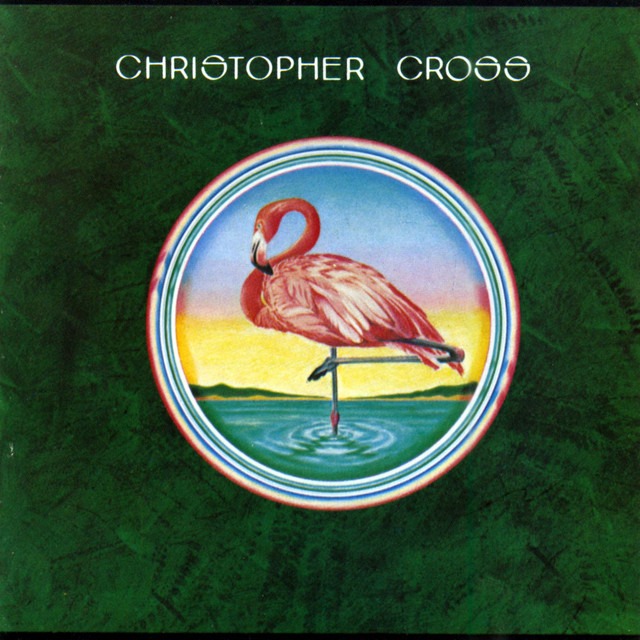
Christopher Cross’s debut album arrived like a pastel sunrise over calm water—digitally recorded, gorgeously arranged, and immediately embraced. Here are five charming facts that float just beneath the surface.
1. Christopher Cross Turned Down Steely Dan
Donald Fagen and Walter Becker invited Cross to play guitar on a Steely Dan album, a high compliment from two of the most meticulous musicians in pop. He politely declined, choosing instead to focus on his own rising star. Within a year, he was collecting Grammys and riding the wind on his own terms.
2. “Sailing” Was Inspired by a Teenage Friendship
Cross wrote “Sailing” about Al Glasscock, an older friend who took him out on the water when he needed an escape during high school. Their calm afternoons at sea stayed with Cross for decades. The song became a shimmering tribute to those moments—and a soft rock classic that continues to soothe.
3. The Band Found Its Groove Thanks to a Simple Kick Drum
During early sessions for “Ride Like the Wind,” the band felt uneasy in the studio, and the takes weren’t clicking. Producer Michael Omartian suggested a four-on-the-floor kick pattern to ground the energy. That simple rhythm unlocked the song’s pulse and helped transform it into a top-charting hit.
4. Michael McDonald Was a Last-Minute Addition
Cross originally sang all the vocals on “Ride Like the Wind,” including the signature response lines. Omartian felt the song needed contrast, and Michael McDonald’s voice was the perfect fit. His smooth delivery added depth—and became one of the album’s most beloved touches.
5. Cross Once Owned Stevie Ray Vaughan’s Famous Strat
In 1974, Cross traded in a Stratocaster at a local Austin shop for a Gibson Les Paul. The very next day, a young Stevie Ray Vaughan walked in and bought that same guitar—his future Number One. That instrument went on to make history in blues rock, with Cross unknowingly part of its origin story.
Christopher Cross remains a high-water mark for soft rock—digitally pristine, endlessly melodic, and filled with stories that still shimmer in the sun.