


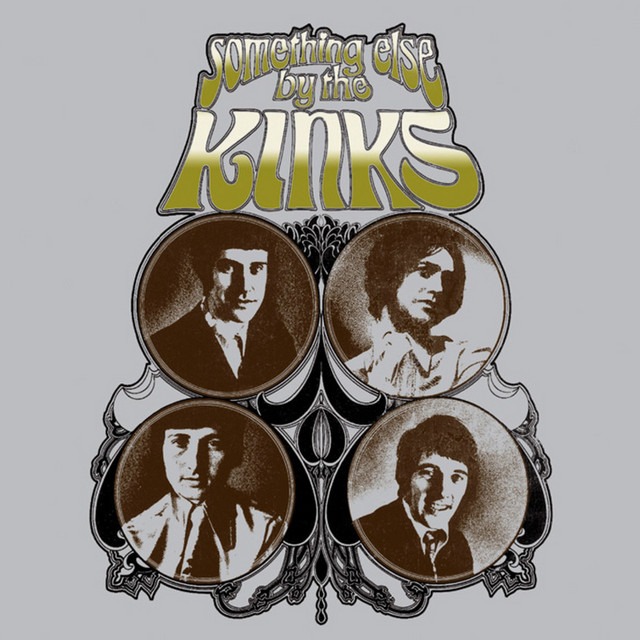
Released on September 15, 1967, Something Else by the Kinks twinkles like a late-summer twilight in a dusty English village. Their fifth studio album trades rock-star bravado for string flourishes, afternoon daydreams, and observational gems from Ray Davies’s ever-curious pen. Embracing baroque pop, music hall whimsy, and chamber balladry, it marks a turning point in the band’s sound—and the first full album produced by Ray himself. It’s not just another Kinks record. It’s a quiet revolution dressed in corduroy.
1. “Waterloo Sunset” Took a Decade to Happen in Ten Hours
Ray Davies carries the melody to “Waterloo Sunset” in his mind for years before letting it spill into tape. The final recording session stretches ten hours, with echo tricks and tape delay weaving magic into every guitar line. Ray imagines the scene from a hospital balcony, watching the Thames shimmer with memories. Terry and Julie never had it so cinematic.
2. “Death of a Clown” Was Born in a Daydream at Mum’s House
Dave Davies drifts off at a wild party and wakes up in a swirl of circus surrealism. Suddenly, he’s a clown—performing, spinning, fading. He rushes to his mum’s out-of-tune piano and taps out three notes that soon become “Death of a Clown.” Nicky Hopkins plays the intro by plucking piano strings like a harp. The result: a solo hit hiding in a full-band costume.
3. “David Watts” Is a Double-Layered Daydream in Blazer and Tie
“David Watts” skips to the rhythm of envy with a perfectly pressed schoolboy crush. Ray pens it after watching a concert promoter swoon over his brother Dave, adding a cheeky wink to the sharp uniform of pop. “He is so gay and fancy free,” Ray sings, balancing admiration, irony, and ambiguity like a pint on a pub piano.
4. Ray and Rasa Make Music Hall Magic
Rasa Davies, Ray’s wife at the time, lends her voice like a ghost in the machine—floating through choruses, swirling around harpsichords. Her harmonies light up “Two Sisters” and “Death of a Clown” like an unseen narrator. It’s not just a family affair—it’s chamber-pop alchemy in a velvet frame.
5. “No Return” Goes Bossa Nova Without a Passport
In the middle of English suburbia, Ray slips into a samba rhythm on “No Return.” It sways with soft bossa nova brushstrokes, like Astrud Gilberto on a foggy London morning. A nylon-stringed detour that feels like sipping espresso under a rainy awning, it’s a gentle reminder that even the Kinks can float down a Brazilian breeze.
Something Else shuffles, winks, and strums its way into rock history. Though it sold modestly in its day, the album grew into a beloved oddity, a cult cathedral for anyone seeking English wit with a side of sonic peculiarity. With Waterloo Sunset as its golden crown and Ray Davies behind the mixing desk, the album captures a band evolving from loud lads to literate legends—one village green at a time.