


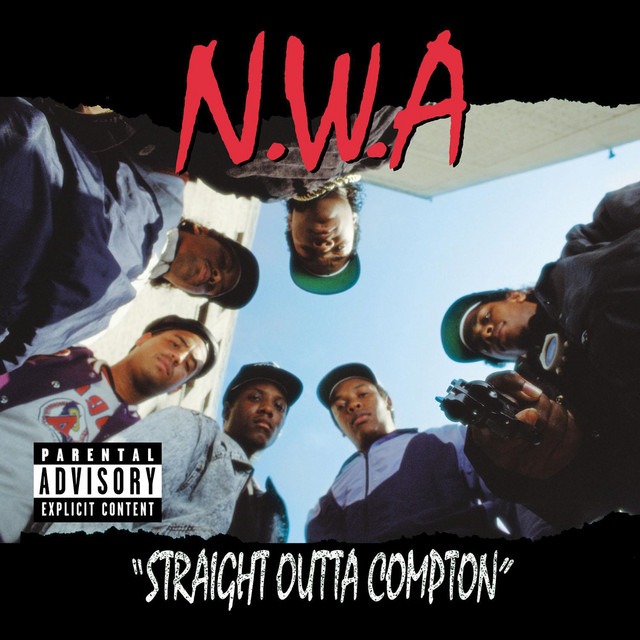
Straight Outta Compton was a cultural earthquake. When N.W.A dropped their debut on January 25, 1989, they brought the raw sound of Compton to the world, challenged authority, rewrote the rules of hip-hop, and launched gangsta rap into the mainstream. Recorded in just six weeks for $12,000, the album’s impact has only grown in the decades since. But behind the controversy and acclaim lie some wild, surprising facts about its creation that most fans don’t know.
1. Dr. Dre produced the entire album while spending weekends in jail.
At the time of recording, Dre was still serving weekend sentences for traffic violations. This meant his weekdays were spent crafting Straight Outta Compton, but on Fridays he reported to jail—only to return to the studio on Mondays. His initial hesitation to record “Fuck tha Police” was in part due to this legal pressure, but once his sentence ended, he fully embraced the track’s rebellious fire.
2. “Fuck tha Police” was born from a real-life incident outside the studio.
The lyrics of the now-infamous protest track came directly after N.W.A members were harassed by police while standing outside Audio Achievements studio in Torrance. Ice Cube immediately began writing in a fury. The real anger and injustice embedded in that moment translated into a track that sparked FBI scrutiny and became an anthem of resistance.
3. The album was sold out of car trunks before it ever hit radio.
Because mainstream radio refused to play the album—especially in areas outside L.A.—Eazy-E and the Ruthless team resorted to guerrilla marketing, selling copies directly from their cars and at swap meets. The grassroots approach worked: Straight Outta Compton went platinum with almost no national radio support, proving the streets moved records faster than the industry gatekeepers.
4. “Express Yourself” was a conscious contradiction—and a solo Dr. Dre moment.
Amid the hard-hitting, profanity-laced tracks, “Express Yourself” stands out as clean, sample-heavy, and surprisingly optimistic. Written by Ice Cube and performed solely by Dr. Dre, it was a deliberate response to censorship, with a subversive twist: Dre criticizes artists who change their messages for radio while delivering a fully radio-friendly track himself.
5. The album sparked the FBI’s first known warning letter to a record label.
In an unprecedented move, the FBI sent a formal letter to Priority Records objecting to “Fuck tha Police.” While not an official threat, it was a chilling message—and one that N.W.A weaponized to build their outlaw image. Far from backing down, the group leaned into the controversy, turning it into a badge of honour and amplifying their reach.
Behind the swagger and shock value were real stories, personal risks, and moments of radical defiance that reshaped hip-hop forever. From street corners to Senate hearings, N.W.A proved that music—when honest, unfiltered, and unapologetic—could shake the system to its core.