


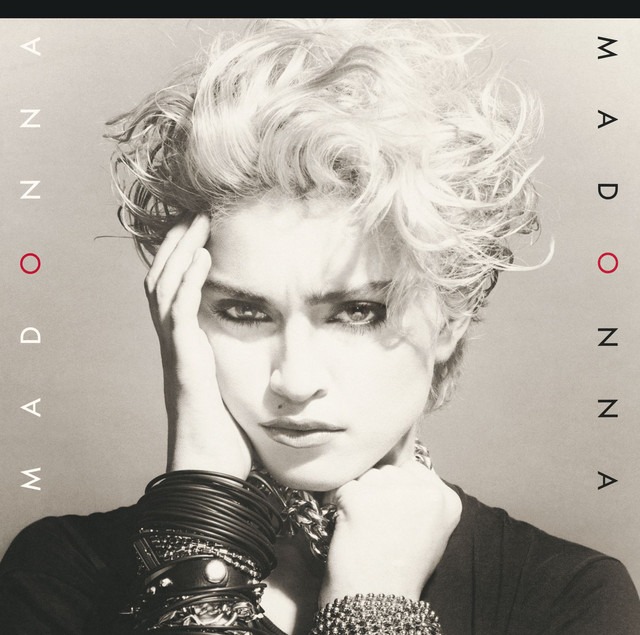
When Madonna released her self-titled debut album on July 27, 1983, she was an ambitious young artist with a handful of club hits and a vision that blended New York’s underground energy with radio-ready hooks. What began as a modest dance-pop project grew into a landmark record that sold an estimated 10 million copies worldwide, reached #8 on the Billboard 200, and helped define the sound of the 1980s. Beyond the hits “Holiday,” “Borderline,” and “Lucky Star,” the album’s story is full of behind-the-scenes moments that shaped both its sound and Madonna’s career. Here are five fascinating facts you might not know.
1. A Hospital Bed Record Deal
Madonna’s path to a record deal with Sire Records was anything but conventional. After DJ Mark Kamins played her demo track “Everybody” at Danceteria to an enthusiastic crowd, he brought the tape to Sire president Seymour Stein—who was recovering from heart surgery at Lenox Hill Hospital. Stein listened from his hospital bed, immediately liked what he heard, and signed Madonna for three twelve-inch singles with an option for albums.
2. Reggie Lucas and the Production Clash
Sire initially paired Madonna with Warner Bros. producer Reggie Lucas, known for his work with Roberta Flack and Stephanie Mills. While Lucas brought polished R&B sensibilities, Madonna felt his fuller arrangements strayed too far from her club-ready demos. The tension ultimately led Lucas to leave the project, paving the way for John “Jellybean” Benitez—Madonna’s boyfriend at the time—to remix and enhance several tracks, giving them the lean, danceable sound she envisioned.
3. “Holiday” Almost Belonged to Someone Else
“Holiday,” the song that became Madonna’s first Billboard Hot 100 hit, wasn’t written for her. Curtis Hudson and Lisa Stevens-Crowder of the group Pure Energy had originally intended to record it themselves, and later offered it to Mary Wilson of The Supremes and Phyllis Hyman—both passed. When Benitez brought it to Madonna, she recorded it quickly, adding her own cowbell part and working with Fred Zarr to incorporate the now-famous piano flourishes.
4. “Lucky Star” Began as a Thank-You Gift
Before the album sessions, Madonna wrote “Lucky Star” as a personal thank-you to Mark Kamins for his early support. She composed it on a Casiotone keyboard using a cassette player he had given her. Early versions leaned heavily on R&B or guitar-driven arrangements, but these were abandoned in favor of Benitez’s remix, which added a synthesized disco beat and New Wave touches. The song went on to become her first top-five Billboard Hot 100 single.
5. Breaking Barriers with “Borderline”
“Borderline,” one of two tracks Lucas contributed, gave Madonna her first U.S. top-ten hit. The Mary Lambert–directed video portrayed Madonna in a relationship with a Hispanic man, juxtaposed with a modeling offer from a white British photographer. At the time, the depiction of an interracial romance was rare in mainstream music videos, drawing both attention and praise. The song’s refined vocal delivery also marked a turning point in her artistic presentation/
These moments capture the mix of hustle, instinct, and collaboration that defined Madonna. From securing a deal in a hospital room to reworking tracks until they matched her vision, the album’s creation was a study in persistence and self-direction. It also set the blueprint for her future career—balancing creative control with the input of key collaborators, embracing bold visuals, and making fearless choices in both music and image. Four decades later, Madonna remains not only a debut that launched a superstar, but also a blueprint for modern pop stardom.