


The music world is no stranger to tragedy, and a recurring theme throughout its history is the phenomenon of brilliant, young artists whose lives were cut short, leaving behind a legacy that feels both complete and painfully unfinished. These musicians, often at the peak of their creative powers, left a huge mark on their genres and on culture as a whole. Their premature deaths transformed them from mere artists into legends, their stories forever intertwined with the myth of the rock and roll lifestyle or the poignant tale of an unfulfilled destiny.
Jimi Hendrix
Age at Death: 27 Cause of Death: Asphyxiation on his own vomit, following a barbiturate overdose. Musical Style and Cultural Impact: A virtuoso guitarist, Jimi Hendrix redefined what was possible with the electric guitar. Fusing blues, rock, R&B, and psychedelia, he used feedback, distortion, and wah-wah pedals in ways that were revolutionary, treating his instrument not just as a tool for melody but as a canvas for sonic exploration. His improvisational style and showmanship, famously including playing the guitar with his teeth and behind his back, made him a mesmerizing live performer. Culturally, Hendrix was a symbol of the counterculture movement of the 1960s, embodying its spirit of freedom, rebellion, and artistic experimentation. His performance at Woodstock, where he delivered a searing, distorted rendition of “The Star-Spangled Banner,” became one of the most iconic moments in music history, a powerful protest statement against the Vietnam War.
Most Significant Work: While his entire discography is lauded, his debut album, Are You Experienced (1967), stands as his most significant and influential work. It introduced the world to his groundbreaking guitar work and psychedelic sound, featuring classics like “Purple Haze,” “Foxy Lady,” and “The Wind Cries Mary.” The album was a landmark in psychedelic rock and remains a blueprint for generations of guitarists.
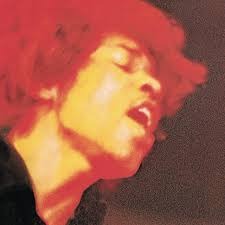
Why His Death Was Tragic: The tragedy of Jimi Hendrix’s death lies in the fact that his artistry was still evolving. He was a sonic pioneer who had only just begun to scratch the surface of his creative potential. His final album, Electric Ladyland, hinted at even more complex and ambitious musical ideas. His death at the age of 27 cut short a journey that promised to push the boundaries of music even further, robbing the world of what could have been decades of continued innovation and incredible music.
Kurt Cobain
Age at Death: 27 Cause of Death: Suicide by a self-inflicted shotgun wound. Musical Style and Cultural Impact: As the frontman of Nirvana, Kurt Cobain became the reluctant voice of a generation. His musical style was a powerful blend of punk’s raw aggression and pop’s melodic sensibility, creating a sound that would be christened “grunge.” He rejected the slick, commercial rock of the 1980s, instead embracing a lo-fi, angst-ridden aesthetic that spoke to a feeling of alienation and disillusionment. Cobain’s lyrics were often introspective, cryptic, and deeply emotional, exploring themes of social awkwardness, apathy, and dissatisfaction. Culturally, he and Nirvana launched grunge into the mainstream, bringing alternative rock to a global audience and ushering in a paradigm shift in popular music. His flannel shirts, ripped jeans, and disheveled look became the uniform for millions, and he became a symbol of authenticity and anti-corporate rebellion.
Most Significant Work: Nirvana’s second album, Nevermind (1991), is arguably his most significant work. Featuring the seminal hit “Smells Like Teen Spirit,” the album was a cultural watershed that displaced Michael Jackson’s Dangerous from the number one spot on the Billboard charts. It brought the raw power of punk and the emotional honesty of alternative rock to a mass audience, forever changing the landscape of popular music.
Why His Death Was Tragic: Kurt Cobain’s death was a profound tragedy because he was more than a musician; he was an idol for a generation that felt misunderstood and unheard. His death brought to a heartbreaking conclusion a struggle with depression and addiction that was often reflected in his music. It left a void in the grunge movement and in the hearts of his fans, who saw in him a figure who understood their pain. His passing marked the end of an era and a stark reminder of the pressures of fame and the fragility of mental health.
Janis Joplin
Age at Death: 27 Cause of Death: Heroin overdose. Musical Style and Cultural Impact: Janis Joplin was a force of nature, a blues-rock powerhouse with a raw, gritty, and soulful voice that was unlike anyone else’s. Her style was a unique blend of blues, folk, rock, and soul, and she infused every performance with an intense emotional authenticity. She was a pioneer for women in rock music, breaking down barriers in a male-dominated industry with her uninhibited stage presence and uncompromising artistic vision. Joplin’s music became an anthem for the burgeoning counterculture of the 1960s, a testament to freedom, love, and heartbreak. She challenged conventional notions of femininity and beauty, proving that talent and passion were far more important than a polished image.
Most Significant Work: Pearl (1971), her final album, released posthumously, is widely considered her masterpiece. It includes some of her most iconic performances, such as the powerful a capella “Mercedes Benz” and her signature cover of Kris Kristofferson’s “Me and Bobby McGee,” which became her only number one single. The album captured her voice at its most refined and emotionally potent, a testament to her growth as an artist.
Why Her Death Was Tragic: The tragedy of Janis Joplin’s death lies in the fact that she had just found a new level of confidence and sobriety, and Pearl was a testament to that. She was on the verge of a new phase of her career, exploring new sounds and showcasing her incredible vocal talent with a newfound maturity. Her death felt like a cruel twist of fate, cutting short a comeback that promised to solidify her legacy as a definitive voice of a generation. She was a trailblazer whose journey ended far too soon.
Amy Winehouse
Age at Death: 27 Cause of Death: Alcohol poisoning. Musical Style and Cultural Impact: Amy Winehouse was a musical anachronism and a true original. She revitalized soul music for a new generation, drawing on classic influences like Billie Holiday, Dinah Washington, and The Supremes, but infusing her music with a modern, rebellious edge. Her style was a captivating fusion of jazz, R&B, and soul, defined by her smoky, powerful voice and deeply personal, brutally honest lyrics. Winehouse’s signature beehive hairdo and bold eyeliner became instantly recognizable, and she became a style icon who brought a retro glamour to the 21st century. Her music, particularly the confessional narratives of her songs, made her a relatable figure for many who struggled with personal demons and heartbreak.
Most Significant Work: Back to Black (2006) is her magnum opus and the album that made her a global superstar. A masterclass in songwriting and production, it features hits like “Rehab,” “You Know I’m No Good,” and the title track. The album won five Grammy Awards, including Record of the Year and Song of the Year for “Rehab,” and cemented her place as one of the most important artists of her time.
Why Her Death Was Tragic: Amy Winehouse’s death was a heart-wrenching loss because she was a once-in-a-generation talent. Her struggles with addiction were a constant part of her public narrative, and her untimely death felt like the culmination of a tragedy that had been unfolding in plain sight. She had a unique ability to bridge the gap between classic and contemporary music, and the world was deprived of a voice that could have continued to create timeless art. Her legacy is a reminder of the immense talent lost to the ravages of addiction and the importance of supporting artists who struggle with personal demons.
Jeff Buckley
Age at Death: 30 Cause of Death: Accidental drowning in the Mississippi River. Musical Style and Cultural Impact: Jeff Buckley possessed a voice of breathtaking range and emotional depth, capable of moving from a whisper to a soaring crescendo. His music was a genre-defying mix of folk, rock, and jazz, characterized by intricate guitar work and a deeply introspective, poetic lyrical style. He was an artist’s artist, earning a devoted following for his raw talent and captivating live performances. Buckley’s influence extended beyond his folk-rock contemporaries, reaching into the worlds of alternative and indie rock. He was celebrated for his ability to convey profound emotion through his music, a quality that made him a cult figure who inspired a generation of songwriters.
Most Significant Work: His only completed studio album, Grace (1994), is a masterpiece. It is a stunning display of his vocal prowess and songwriting talent, featuring original classics like “Last Goodbye” and “Grace,” as well as his iconic, haunting cover of Leonard Cohen’s “Hallelujah,” which has since become the definitive version of the song for many. The album is a timeless piece of art that showcased his immense potential.
Why His Death Was Tragic: The tragedy of Jeff Buckley’s death is that he was a brilliant artist whose career was just beginning to blossom. He was in the process of working on his second album, and his future seemed limitless. His accidental drowning felt like a cruel and random end to a life filled with promise. The music world lost not just a great musician, but a truly unique artistic voice who was on the cusp of becoming a global icon. His one album, Grace, stands as a tantalizing glimpse of the genius that could have been.
Tupac Shakur
Age at Death: 25 Cause of Death: Gunshot wounds in a drive-by shooting. Musical Style and Cultural Impact: Tupac Shakur was a lyrical poet and a complex, charismatic figure who became one of the most influential and iconic rappers of all time. His music was a raw and unflinching commentary on the social and political issues facing black communities, blending hardcore rap with poignant storytelling. His lyrics addressed everything from police brutality and poverty to love, loss, and the struggles of inner-city life. Tupac’s cultural impact was enormous; he was a symbol of black empowerment and a voice for the voiceless. He was a gifted actor and an outspoken activist who used his platform to advocate for social change. His “thug life” persona, while controversial, was also a powerful statement of self-acceptance and defiance.
Most Significant Work: All Eyez on Me (1996), his fourth and final album released during his lifetime, is a landmark in hip-hop history. A sprawling double album, it is a definitive showcase of his artistry, featuring hits like “California Love,” “2 of Amerikaz Most Wanted,” and “I Ain’t Mad at Cha.” The album was a commercial and critical success that cemented his status as a superstar.
Why His Death Was Tragic: Tupac’s death was a senseless and devastating loss that robbed the world of one of its most vital and intelligent voices. He was a poet, an activist, and a revolutionary spirit whose career was cut short by the very violence he often rapped about. His death left a massive void in the hip-hop world and marked the end of the infamous East Coast-West Coast rivalry. Tupac’s legacy is a testament to the power of hip-hop as a vehicle for social commentary and a reminder of the potential lost to violence.
The Notorious B.I.G.
Age at Death: 24 Cause of Death: Gunshot wounds in a drive-by shooting. Musical Style and Cultural Impact: The Notorious B.I.G., born Christopher Wallace, was a master storyteller with a flawless flow and a deep, commanding voice. His musical style was a mix of hardcore gangster rap and sophisticated, cinematic narratives. His lyrics painted vivid pictures of his life as a drug dealer on the streets of Brooklyn, but he also explored themes of love, family, and the pursuit of success. Biggie’s cultural impact was monumental; he was a defining figure of the East Coast hip-hop scene and a central figure in the East Coast-West Coast rivalry. His music influenced countless rappers, and his storytelling ability set a new standard for lyrical complexity and narrative depth.
Most Significant Work: Ready to Die (1994), his debut album, is widely regarded as a classic of the genre. It’s a cohesive concept album that takes the listener on a journey from birth to a simulated death. It featured hits like “Juicy” and “Big Poppa” and is praised for its dark humor, honesty, and incredible storytelling. The album put East Coast hip-hop back on the map and established Biggie as a lyrical genius.
Why His Death Was Tragic: Like his rival Tupac, The Notorious B.I.G.’s death was a senseless tragedy that brought a promising career to a sudden and violent end. He was a gifted artist who was still in the early stages of his career, and his music was becoming more introspective and mature. His second album, Life After Death, released just weeks after his death, showed a new level of artistic growth. His passing, along with Tupac’s, symbolized the end of a golden era of hip-hop and a tragic loss of two of the genre’s greatest voices.
Robert Johnson
Age at Death: 27 Cause of Death: Likely strychnine poisoning. Musical Style and Cultural Impact: Robert Johnson is a mythical figure in music history, a cornerstone of the Delta blues. His musical style was defined by his raw, intricate fingerstyle guitar playing and his haunting, soulful vocals. He was a master of the blues form, and his songs often explored themes of love, loss, and the supernatural. Johnson’s impact on music is immeasurable; his recordings from the 1930s were a foundational influence on countless blues and rock musicians, including Muddy Waters, Eric Clapton, and The Rolling Stones. The legend of him selling his soul to the devil at the crossroads to achieve his musical prowess became one of the most famous myths in rock and roll, cementing his place as an enigmatic and influential figure.
Most Significant Work: His entire body of work, consisting of only 29 songs recorded over two sessions in 1936 and 1937, is his most significant contribution. Tracks like “Cross Road Blues,” “Sweet Home Chicago,” and “Terraplane Blues” are not just songs; they are foundational texts of the blues genre, and their structures and melodies have been borrowed and reinterpreted by generations of artists.
Why His Death Was Tragic: The tragedy of Robert Johnson’s death is shrouded in the mystery that surrounds his life. He died young, his genius largely unrecognized outside of the Delta blues scene. His death, likely a result of poisoning by a jealous husband, felt like a fittingly dramatic end to a life filled with folklore. The world was deprived of the opportunity to witness his genius for a longer period and to see how his music would have evolved. His death solidified his legend but also left a gaping hole in the history of the blues, leaving future generations to wonder what other masterpieces he might have created.
Sid Vicious
Age at Death: 21 Cause of Death: Heroin overdose. Musical Style and Cultural Impact: As the bassist for the Sex Pistols, Sid Vicious was less a technical musician and more a symbol of punk rock’s nihilistic and anarchic spirit. His musical style was raw, loud, and rudimentary, but his cultural impact was profound. He embodied the “no future” ethos of the punk movement, his spiky hair, safety-pinned clothes, and defiant attitude becoming the ultimate visual representation of punk rebellion. He was the chaotic, self-destructive figurehead of a movement that challenged the commercialism and complacency of mainstream music. The Sex Pistols’ music was a direct assault on the establishment, and Sid Vicious was its most potent weapon.
Most Significant Work: While he didn’t contribute much musically to the band’s only studio album, Never Mind the Bollocks, Here’s the Sex Pistols (1977), his chaotic presence and infamous cover of Frank Sinatra’s “My Way” are his most significant contributions. The album itself is a foundational text of punk rock, and Sid Vicious’s image and attitude were integral to its success and cultural impact.
Why His Death Was Tragic: Sid Vicious’s death was a tragic and preventable end to a life consumed by drug addiction and chaos. He died just a few months after being arrested for the murder of his girlfriend, Nancy Spungen. His death, which happened before he could stand trial, felt like the sad and inevitable conclusion to a life lived on the edge. He was a figure of immense potential, a symbol of rebellion, whose life was consumed by the very excesses that he seemed to represent. His passing marked the end of the first wave of punk and a stark warning about the dangers of the rock and roll lifestyle.
Selena
Age at Death: 23 Cause of Death: Murdered by the president of her fan club. Musical Style and Cultural Impact: Selena Quintanilla-Pérez, known simply as Selena, was the “Queen of Tejano Music,” a genre that blended conjunto, mariachi, and polka with Cumbia and pop music. Her musical style was a vibrant and celebratory fusion of these influences, and her powerful, soulful voice made her a superstar. She was a cultural icon for the Mexican-American community, breaking down barriers and becoming one of the best-selling Latin artists of all time. Selena’s success opened the door for other Latin artists to achieve mainstream success in the United States, and she was a beloved figure who was both a style icon and a role model. Her crossover success was just beginning to take off, with an English-language album in the works.
Most Significant Work: Amor Prohibido (1994) is her most significant album. It was a massive commercial success, becoming one of the best-selling Latin albums of all time. The album features iconic hits like the title track, “Bidi Bidi Bom Bom,” and “No Me Queda Más,” and it showcased her evolving artistry and her ability to blend different genres seamlessly.
Why Her Death Was Tragic: Selena’s death was a shocking and devastating loss that brought her life and career to a sudden and violent end just as she was poised for global superstardom. She was a beloved figure who was more than just a singer; she was a symbol of hope and pride for a generation of Mexican-Americans. Her murder was a tragedy that was felt deeply by millions of people, and it left a huge void in the world of Latin music. Her legacy is one of a superstar who was on the verge of greatness, whose life was tragically cut short, but whose music and influence continue to inspire.
The artists on this list, despite their diverse backgrounds and musical styles, share a common thread: they all died at an age when most people are just beginning to figure out their lives. Their deaths were not just a loss of individual talent, but a loss of future potential. They are a poignant reminder that genius is often a fragile and fleeting thing. Yet, their music endures, a powerful testament to their artistic brilliance. They left behind a collective legacy that continues to inspire, to challenge, and to move us. They are the ghosts in the machine of popular music, their influence still felt in every chord, every lyric, and every rebellious spirit that picks up an instrument. We can only wonder what they might have created if they had been given more time.