


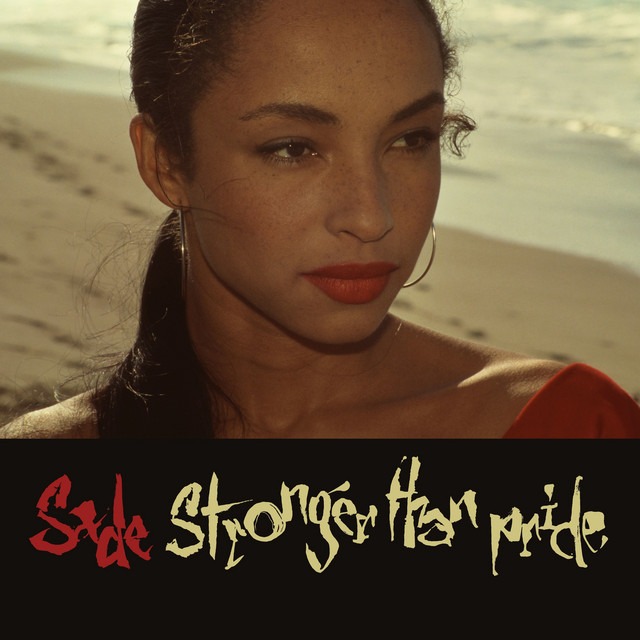
When Stronger Than Pride arrived in 1988, it carried the warmth of sunlit studios and the clarity of a band confident in its direction. Its sound was spacious yet intimate, balancing restraint with emotional depth. This was Sade refining their voice, shaping each track with precision, and allowing silence to speak as powerfully as melody.
1. A Vision of Space and Simplicity
Sade Adu set the tone for the album’s production with a clear intention: to keep the arrangements basic, let the quiet songs breathe, and make the harder songs hit with more force. She wanted the voice to stand front and center, creating a direct connection between the music and the listener.
2. From Spain to the Bahamas
The album’s writing sessions began in Spain and London, capturing ideas in varied surroundings. Recording then took place in France and the Bahamas over the course of a year, bringing in the warmth and openness of those environments into the final sound.
3. First Steps as Sole Producer
With Robin Millar no longer able to continue after going blind during the making of Promise, Adu took on the role of self-producing the album. This was the first time she guided the record’s sound entirely, marking a milestone in her artistic independence.
4. A New Way of Writing Together
Stuart Matthewman noted that Stronger Than Pride was the first Sade album where songs were written piece by piece rather than as a collective. This shift in process brought a fresh dynamic to the songwriting, allowing each element to be carefully shaped before being woven into the whole.
5. Critical Recognition Across Decades
Upon release, the album became a commercial success, reaching the top 10 in multiple countries and spawning five singles. Decades later, it continues to be celebrated—Pitchfork ranked it number 37 on its list of “The 200 Best Albums of the 1980s,” underscoring its enduring influence.
Stronger Than Pride remains a work of poise and precision. Its understated production and carefully crafted songs speak with lasting elegance, embodying the quiet strength at the heart of Sade’s music. It stands as both a statement of independence and a testament to the beauty of musical restraint.