


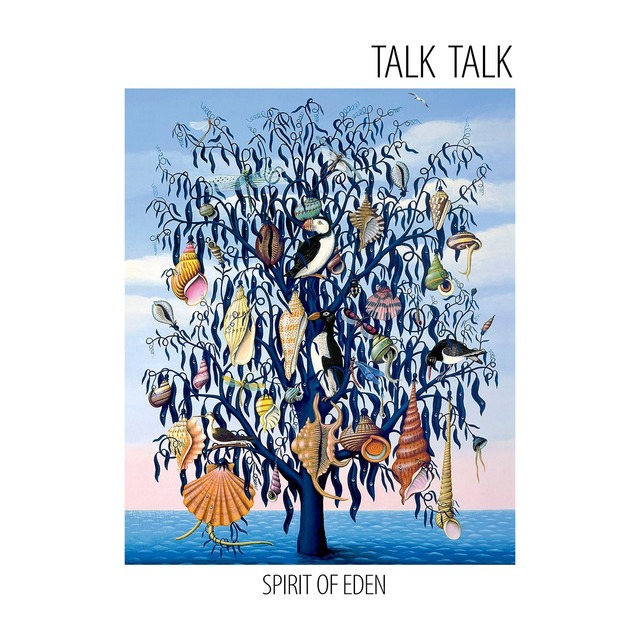
When Spirit of Eden landed in 1988, it left many listeners bewildered. Gone was Talk Talk’s radio-friendly synth-pop; in its place came a meditative, genre-blending masterpiece that would only reveal its genius over time. Here are five fascinating insights into an album that quietly changed music history.
1. Recorded in Complete Darkness
For much of its year-long creation at London’s Wessex Studios, Spirit of Eden was made in near-total darkness. Candles, oil wheels, and strobes set the mood, disorienting musicians and removing any sense of time. This intense, immersive environment helped coax spontaneous performances that Mark Hollis and Tim Friese-Greene would later painstakingly edit into the album’s final form.
2. Built from Hours of Improvisation
The songs weren’t written in a traditional verse-chorus structure. Instead, Talk Talk recorded many hours of improvised playing, drawing from jazz, ambient, classical, blues, and dub. Hollis and Friese-Greene then sculpted these raw takes—cutting, rearranging, and layering—to create six seamless tracks that feel both spontaneous and meticulously crafted.
3. A Radical Break from Their Past
Talk Talk had found commercial success with 1986’s The Colour of Spring, selling over two million copies. But Spirit of Eden abandoned chart-friendly synth-pop for a sound critics called uncommercial. It was a brave leap that alienated some fans at first but would later earn the album a reputation as a post-rock pioneer.
4. An Anti-Heroin Song at Its Heart
“I Believe in You,” the album’s only single, is a haunting anti-heroin statement. Hollis wrote it after witnessing friends fall into addiction, determined to strip away the glamorization of the drug in rock culture. Despite his reluctance to release it as a single, the song remains one of the album’s emotional high points.
5. A Landmark That Outgrew Its Reception
Upon release, Spirit of Eden was a commercial disappointment compared to its predecessor, peaking at #19 in the UK and fading from the charts after five weeks. But over the decades, critics have embraced it as an underrated masterpiece.
Spirit of Eden is proof that art often outlasts initial misunderstanding. From its shadowy recording sessions to its fearless genre fusion, it stands as one of the most uncompromising and quietly revolutionary albums of the 1980s—a record that continues to inspire musicians who dare to follow their own path.