


The best music documentaries reshape the way we understand sound, creativity, and culture itself. They reveal the human fragility behind fame, the overlooked architects of iconic songs, and the ways music reflects society’s triumphs and tensions. Each of these films, drawn from across genres, offers a new way of seeing music—not just as entertainment, but as a force that changes lives.
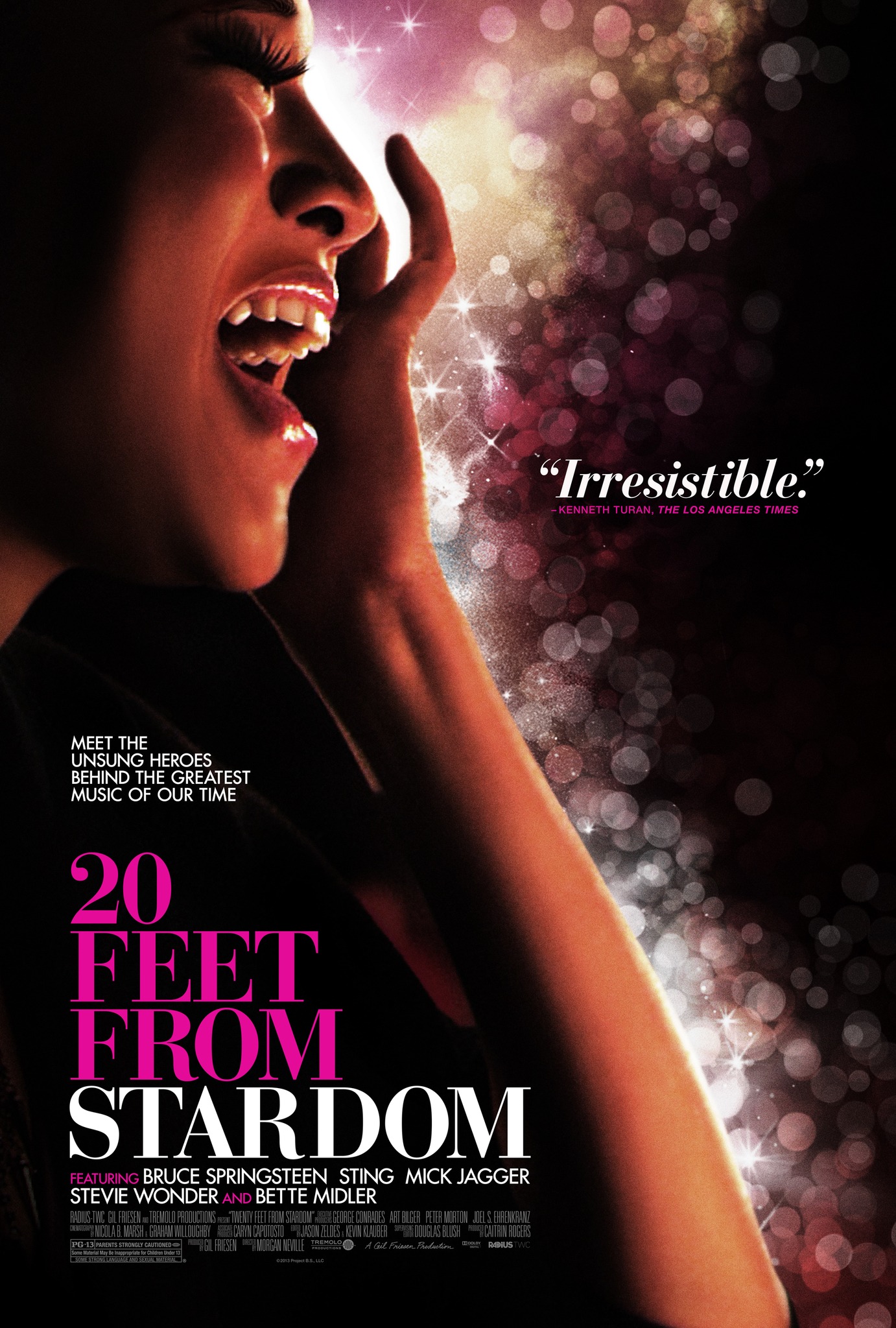
20 Feet from Stardom (2013), directed by Morgan Neville, shines a light on the unsung heroes of popular music: the backup singers. The film profiles artists like Darlene Love, Merry Clayton, and Lisa Fischer, whose voices powered countless hits while their names remained in the shadows. What makes it mind-blowing is how it repositions the idea of stardom itself—challenging the notion that only the front person defines a song’s power. Watching their stories reframes decades of music history, reminding us that some of the most iconic moments in pop and rock came from voices you may never have known.
Amazing Grace (2018), directed by Sydney Pollack and later completed by Alan Elliott, captures Aretha Franklin recording her landmark 1972 gospel album of the same name. Filmed over two nights in a Los Angeles church, the documentary immerses us in the raw power of Franklin’s voice, unadorned by the trappings of fame. What’s remarkable here is the intimacy—you feel not just the brilliance of her singing, but the collective experience of music as worship. The footage sat unreleased for decades, and its eventual release gives us one of the most authentic windows into Franklin’s genius.
Don’t Look Back (1967), directed by D.A. Pennebaker, follows Bob Dylan’s 1965 tour of England at the height of his cultural power. Rather than glorifying him, the camera captures Dylan as mercurial, witty, and often combative, dismantling the mythology of the folk hero. The film is groundbreaking for its cinéma vérité style, where nothing feels staged. What makes it unforgettable are the candid clashes with journalists and Dylan’s playful, cryptic cue-card performance of “Subterranean Homesick Blues”—a moment that feels like the birth of the modern music video.
Gimme Shelter (1970), directed by Albert and David Maysles with Charlotte Zwerin, documents The Rolling Stones’ 1969 U.S. tour and the fateful Altamont Free Concert. What begins as a celebration of rock’s spectacle becomes a chilling portrait of violence and disillusionment, as a murder is captured on camera during the show. The most shocking element is watching the Stones themselves process the footage afterward, a grim realization of how art and chaos collided. It’s not just a music film—it’s a requiem for the 1960s.
Homecoming (2019), directed by Beyoncé Knowles-Carter, goes beyond the concert film by chronicling her headlining Coachella performance. Intercutting the spectacle of the stage with intimate glimpses of rehearsals and personal struggles, Beyoncé reveals both the meticulous vision and the vulnerability behind the artistry. The cultural impact is immense: her performance was a celebration of Black history, HBCU culture, and feminist power on one of the world’s biggest stages. What makes it transformative is how it bridges pop entertainment with cultural manifesto.
I Am Trying to Break Your Heart (2002), directed by Sam Jones, captures the making of Wilco’s Yankee Hotel Foxtrot and the turmoil that surrounded its release. What could have been a simple studio film becomes a riveting story of artistic conviction, as Wilco battles its own record label while reshaping the sound of indie rock. The key revelations lie in watching a band refuse to compromise, even as commercial prospects collapse around them. It stands out for showing the creative process not as a smooth arc of inspiration, but as conflict, doubt, and persistence.
It Might Get Loud (2008), directed by Davis Guggenheim, brings together three generations of guitarists: Jimmy Page, The Edge, and Jack White. More than a masterclass in guitar technique, the film becomes a meditation on creativity, obsession, and the ways artists carve unique sonic identities out of six strings. The mind-blowing moments come when Page casually drops into a Zeppelin riff, or when Jack White cobbles together a guitar from spare parts. It’s a reminder that while tools matter, artistry comes from vision.
Kurt Cobain: Montage of Heck (2015), directed by Brett Morgen, paints an unflinching portrait of the Nirvana frontman through home movies, journals, and animation. Rather than focus solely on Nirvana’s rise, it delves into Cobain’s interior world—the vulnerabilities, traumas, and contradictions that fueled his artistry. What makes it stand out is the intimacy: rare family footage and Cobain’s own artwork animate the story from his perspective. The result is haunting, offering revelations about the human cost of cultural iconhood.
Ryuichi Sakamoto: Coda (2017), directed by Stephen Nomura Schible, follows the Japanese composer through illness and creativity, reflecting on his legacy as a pioneer of electronic, pop, and classical fusion. The film blends his activism against nuclear power with the delicate act of composing, showing how art and conscience intertwine. What’s astonishing is its meditative pace—music here isn’t just performance but a way of being in the world. It leaves you rethinking what it means to live as both an artist and a citizen.
Style Wars (1983), directed by Tony Silver, documents the rise of hip-hop culture in New York City, with a particular focus on graffiti artists, breakdancers, and DJs. The film is mind-blowing for how early it captured a movement that would soon dominate the globe, treating it not as a fad but as a profound cultural shift. Its revelations come from young voices articulating why their art matters in the face of disdain and criminalization. Today, it stands as one of the essential time capsules of hip-hop’s birth.