


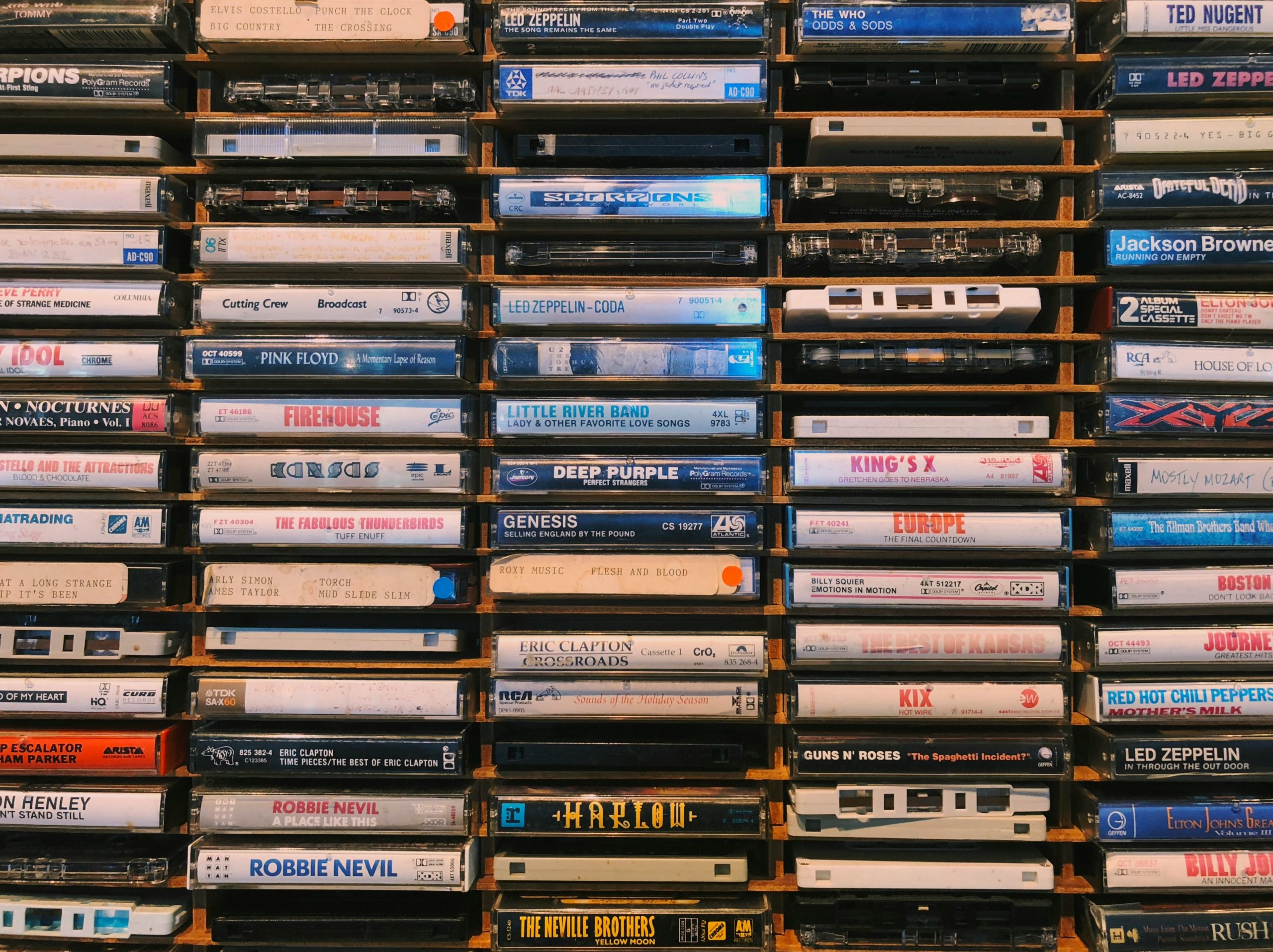
Walk into a record store today and you’ll notice something you might not have expected a decade ago: rows of brightly colored cassette tapes sitting alongside vinyl and CDs. Far from being a relic, the humble cassette has become one of the most exciting growth stories in music. For Gen Z and Gen Alpha, tapes represent more than just a way to listen. They’re a badge of fandom, a collectible, and a way to connect to music in a physical world that feels more special than a swipe.
Cassettes are booming again because they give fans something tactile. In an era where millions of songs live in the cloud, putting a tape in your hand feels intentional. It means Side A, Side B, artwork, lyrics, and a limited number of tracks—all of which encourage listeners to slow down and experience the music as a whole. That ritual resonates deeply with young audiences craving experiences that feel grounded.
Artists have embraced the format as well. Taylor Swift has released her albums on cassette, turning each drop into a collectible moment for fans. Olivia Rodrigo, Kacey Musgraves, Billie Eilish, and Harry Styles have all joined in, offering cassettes as part of their album rollouts. Independent acts use tapes too, relying on their affordability and fast turnaround to connect directly with fans at shows.
The numbers back it up. In 2009, U.S. cassette album sales hit a low point of just 34,000. Fast forward to 2022, and sales topped 440,000, according to Luminate. That’s more than a twelve-fold increase in little over a decade. 2023 stayed steady at over 436,000 units, showing that this is no blip—it’s a sustained revival.
Collectors play a huge role in this momentum. Tapes are smaller and cheaper than vinyl, often selling at concerts for under $15, making them the perfect entry point for younger fans. With variants, special shells, and exclusive runs, a cassette can double as both a listening format and a piece of art. For artists, this opens a new lane of creative expression, one that fits seamlessly with fashion, design, and fan culture.
Technology has helped too. Companies like We Are Rewind and FiiO are producing Bluetooth-enabled cassette players, giving listeners modern convenience with analog charm. That means a teen can buy a tape at a merch table, pop it into a deck, and stream it wirelessly to headphones. The old becomes new again, and suddenly a format once considered vintage feels perfectly current.
Cassettes thrive in part because of their role in storytelling. Guardians of the Galaxy soundtracks, packaged on tape, reminded audiences of the emotional power of mixtapes. Limited-edition releases from artists like The 1975 and Arctic Monkeys highlight the same thing: music feels different when it comes in a package you can hold, flip, and treasure.
The DIY scene has never let go of the cassette. Indie artists continue to press them because they’re affordable and personal. A small run of 100 tapes can go a long way for a band on tour, offering something physical to hand to fans after a show. For those fans, it becomes more than merchandise—it’s a keepsake of a night, a moment, a connection.
Social media adds fuel to the fire. TikTok and Instagram love visual storytelling, and cassettes fit perfectly. They’re photogenic, retro, colorful, and endlessly customizable. Fans show off collections, swap tapes, and share unboxings, keeping the format alive in feeds across the world.
The cassette’s story today is about abundance. It’s about more ways for fans to connect, more outlets for creativity, and more formats that matter. With global stars and grassroots acts embracing it equally, the cassette remains a format that celebrates music’s past while shaping its future.
And that’s why cassettes aren’t going anywhere. They’re thriving, loved, and more relevant than they’ve been in decades. The click of a tape, the snap of a case, and the hum of Side A turning into Side B all matter again—and for millions of young fans, it feels like the perfect way to fall in love with music.