


Rock ’n’ roll is full of voices that shook the world, but some singers don’t just arrive fully formed — they evolve. With age comes grit, nuance, and a deeper understanding of their instrument. These ten rock singers, listed alphabetically, found their power not just in youth, but in growth, proving that time can sharpen a voice as much as it can weather it.
Axl Rose
Once known for his piercing shrieks on Appetite for Destruction, Axl’s voice has matured into something heavier and bluesier. His lower register carries more weight, adding character to Guns N’ Roses’ live shows and reminding us that attitude isn’t bound by range alone.
Bono
U2’s frontman started as a fiery shouter on Boy, but over time he learned restraint. His phrasing became more deliberate, his falsetto more controlled, and his live delivery more about emotional connection than sheer volume. Age gave him intimacy as much as power.
Bruce Springsteen
Springsteen’s gravel has grown richer with decades on the road. His early rawness on Born to Run now sits alongside a weathered storyteller’s voice. Each line sounds lived-in, and his vocals have become as much about wisdom as energy.
Debbie Harry
Harry’s icy cool vocals with Blondie evolved into something warmer and more dynamic as she aged. Her voice gained a textured confidence, showing that charisma isn’t just youthful detachment — it’s also resilience and adaptability.
Eddie Vedder
Vedder’s early baritone in Pearl Jam was a storm of angst, but with time it deepened into something more resonant. His solo work and later Pearl Jam albums show a singer who embraces subtlety, storytelling, and that unmistakable growl.
Iggy Pop
The Godfather of Punk turned his ragged howl into a gravel-rich croon. Iggy’s older voice trades chaos for menace, adding depth to his iconic stage presence. He’s proof that rawness doesn’t fade — it simply shifts shape.
Mick Jagger
Jagger’s swaggering voice has become more disciplined over the years. He may not hit every note with youthful sharpness, but he’s learned how to use phrasing, timing, and breath control to keep The Rolling Stones sounding timeless.
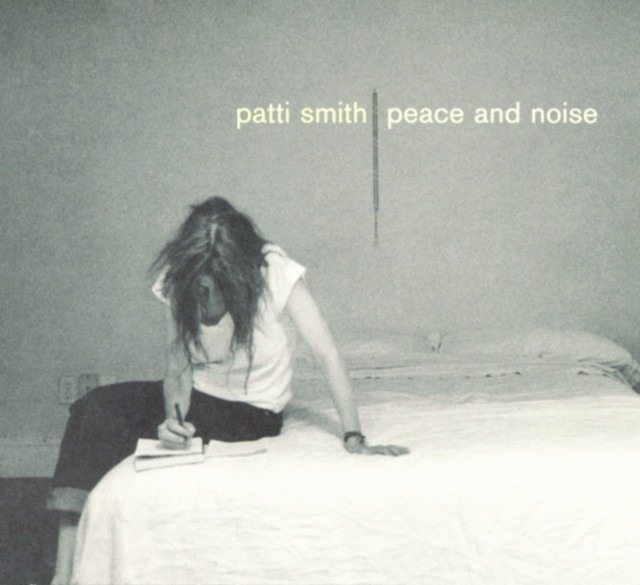
Patti Smith
Smith’s voice began as a raw, unpolished force of punk poetry, all urgency and fire. With time, it grew steadier, more resonant, carrying the weight of experience. Today, her delivery feels both vulnerable and commanding, a perfect match for her words.
Robert Plant
Plant transformed from the golden-haired shrieker of Led Zeppelin into a master of folk, blues, and Americana phrasing. His voice mellowed but grew infinitely more expressive, proving that aging doesn’t mean fading — it means evolving.
Stevie Nicks
Nicks’ husky tone has always been distinct, but with time it deepened into a richer, smokier sound. She leans into her vocal identity with more nuance now, creating performances that feel like lived-in stories sung with mystical authority.
These singers remind us that rock vocals aren’t frozen in time. They evolve, adapt, and sometimes gain more impact with every passing decade. For fans, it means the music never stops growing — and the voices behind it only become more compelling.