


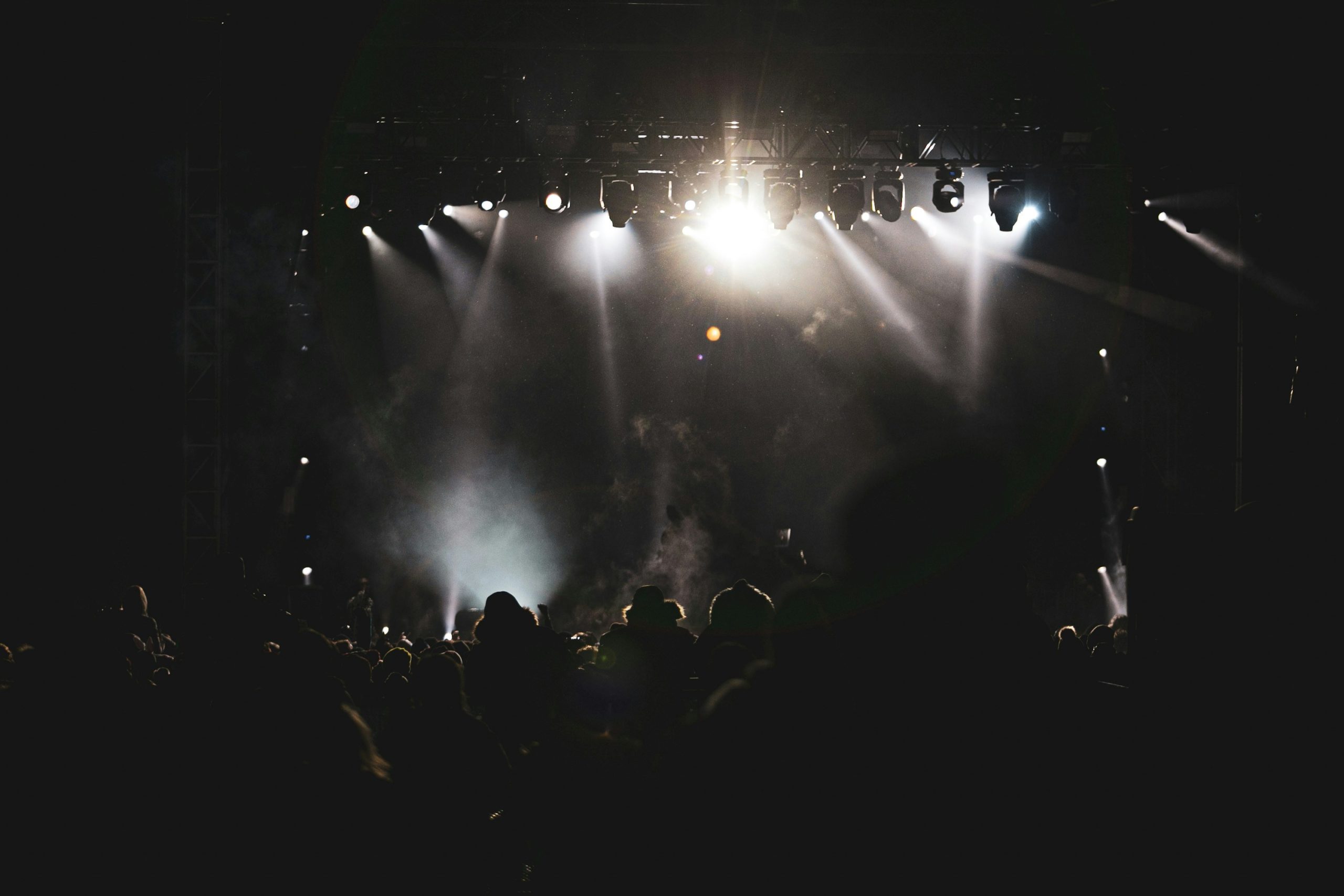
In an era of global streaming platforms, TikTok virality, and algorithmic discovery, it’s easy to imagine that physical geography no longer shapes musical careers. Yet the hometown remains a vital launching pad for artists. Local support functions as an incubator: it provides artists with their first sold-out rooms, their earliest champions in press and radio, and a community that feels personally invested in their ascent. More than a symbolic origin point, a strong local base is both a testing ground for artistic identity and a sustainable wellspring of advocacy. When nurtured with care, it becomes the foundation on which national and international visibility can be built.
Here are five forward-looking strategies for cultivating that essential hometown fanbase—practical approaches that combine artistry with community-building and the textures of real connection.1. Treat Local Shows as Community Rituals
Playing in your hometown is filling up your calendar, sure, and it’s also creating a ritual that people anticipate. Each performance should feel like a gathering where music, identity, and place converge. Some artists find this in a gallery or bookstore rather than a traditional club; others transform a warehouse into a seasonal event space. When you play with consistency and a sense of occasion, fans begin to see your shows as cultural markers, woven into the rhythm of the city itself.
2. Collaborate Across Creative Disciplines
The hometown advantage lies in proximity to peers across the arts. Musicians thrive when they become part of a wider cultural dialogue. Teaming up with photographers, dancers, or designers enriches your art while multiplying the networks through which it circulates. Imagine releasing a single alongside a photo zine, or hosting a listening party with a local fashion collective. When your music is encountered in these expanded contexts—visual, tactile, performative—it becomes inseparable from the creative ecosystem of your city.
3. Build Intimacy Through Direct Engagement
Streaming numbers are abstract; eye contact at a merch table is not. That moment of conversation after a show, the decision to sign vinyl, or sharing glimpses of rehearsal online—all of these create a sense of belonging. A hometown fanbase grows strongest when listeners feel like co-conspirators rather than consumers. By offering that intimacy, you make people feel invested in your journey, and they carry that loyalty with them long after the encore fades.
4. Center Local Media and Storytelling
Every city has its own press ecosystem—alt weeklies, college radio, regional podcasts, even neighborhood blogs. Building relationships with these outlets amplifies your story and connects your name to the cultural narrative of the place. A short interview on local radio might not reach a million listeners, but the ones it does reach will remember. The same is true for profiles in small magazines or photo spreads by local journalists. By embracing these storytellers, you ensure your work becomes part of your city’s documented history.
5. Invest in the Long Arc of Community
A fanbase is not just a crowd but a community that thrives when it’s given reasons to gather beyond performances. Some artists host informal listening clubs, others set up open-mic nights to spotlight younger musicians, and still others volunteer within the local arts council. These gestures demonstrate a commitment that resonates far beyond your own music. Over time, the scene you help nourish will sustain you in return, and your name will be synonymous with a spirit of collective growth.
To build a hometown fanbase is to recognize that music flourishes through place, through the convergence of people and memory in real spaces. The strategies above are not prescriptions but pathways toward embedding your work in the cultural fabric of your city. When nurtured with care, these connections extend outward, shaping how your music is received on a larger scale. In an industry defined by rapid turnover and viral noise, hometown loyalty offers a rare form of durability. It reminds us that music is still, at its core, a communal art.