


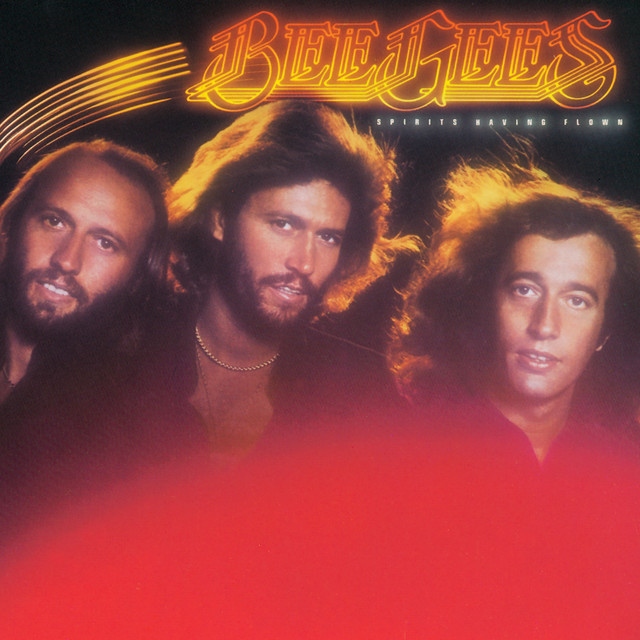
When the Bee Gees released Spirits Having Flown in February 1979, they were riding the tidal wave of Saturday Night Fever. With three consecutive #1 singles, sold-out stadiums, and 20 million copies of the album flying off shelves, it was the crown jewel of their disco-era reign. Yet behind the falsettos and glittering grooves, the album carries hidden stories worth celebrating.
1. Barry’s Studio Marathon
Producer Albhy Galuten recalled that the sessions were powered mostly by Barry Gibb, Karl Richardson, and himself pulling long nights at Criteria Studios. Barry even overdubbed many of the harmonies himself, layering stacks of falsetto and chest voice until the songs shimmered like glass.
2. Robin’s Quietest Album
Robin Gibb, usually a commanding voice, took the lead only once—on “Living Together.” His falsetto lines are woven with Barry’s chest vocals. It became the Bee Gees album with his fewest lead vocals, a rarity in their catalog.
3. Chicago in the Room Next Door
While the Bee Gees worked on Spirits Having Flown, Chicago was recording Hot Streets in the studio next door. Their horn section—James Pankow, Walt Parazaider, and Lee Loughnane—wandered in to play on tracks, giving the record a brassy punch. In return, the Bee Gees guested on Chicago’s “Little Miss Lovin’.”
4. The Homemade Explosion of “Tragedy”
The climax of “Tragedy” explodes with a blast no one had ever heard before. Barry Gibb created it by blowing air through his cupped hands into a microphone, which was then run through a product generator alongside a smashed piano chord. The result: pure dynamite on vinyl.
5. The Prank Behind “Love You Inside Out”
During recording, the brothers slipped a joke line into the lyrics—“backwards and forwards with my cock hanging out”—and sent it to manager Robert Stigwood to see if he was paying attention. The released version, of course, keeps it clean with “heart hanging out.”
Spirits Having Flown wasn’t only a commercial giant—it was the last peak of the Bee Gees’ golden era before the tides turned in the early ’80s. Packed with meticulous harmonies, playful studio tricks, and three chart-topping singles, it remains one of their most dazzling achievements, proof of how high their wings could carry them.