


As music critics will tell you, they spend just as much time parsing the lows of a career as they do celebrating the highs. Most artists, even the greats, have at least one album that feels like a misstep—an overreach, a half-baked experiment, or just a record that doesn’t land with the weight of their best work. That’s why drawing up a list of artists and bands who never made a bad album is both difficult and rare but hey, let’s do it anyway. These are the exceptions who make perfection look deceptively easy.
A Tribe Called Quest sustained one of hip-hop’s most consistent runs, from the playful inventiveness of People’s Instinctive Travels to the socially charged We Got It from Here… Thank You 4 Your Service. Even their so-called quieter records pulse with originality and cultural resonance.
Alice Coltrane created a discography where each release, like Journey in Satchidananda or Ptah, the El Daoud, carved new dimensions in spiritual jazz. Her music never faltered in ambition or execution, maintaining transcendence across every record.
Beyoncé turned each album into a cultural statement, from Dangerously in Love to Lemonade to Renaissance. She’s navigated reinvention without missteps, balancing pop dominance with boundary-pushing artistry.
Big Thief has yet to release an album that doesn’t feel essential, whether it’s the intimacy of Capacity or the sprawl of Dragon New Warm Mountain I Believe in You. Their consistency lies in uniting fragility with fearless experimentation.
Bjork has redefined what a flawless discography looks like, from the avant-pop immediacy of Debut and Post to the expansive electronic landscapes of Homogenic and the ecological intimacy of Biophilia. Every album is a fully realized world.
David Bowie shifted personas and sounds constantly, yet even his experiments (Low, Blackstar) feel vital in hindsight. His discography reads less like peaks and valleys than a string of reinventions, none of which count as failures.
Fiona Apple has delivered only carefully considered masterpieces, from the confessional Tidal to the baroque The Idler Wheel… and the jagged brilliance of Fetch the Bolt Cutters. Each release expands her voice without compromise.
Frank Ocean has a small but flawless body of work, with Channel Orange and Blonde representing different sides of his artistry—lush, expansive storytelling and fragmented, intimate explorations. His restraint ensures quality over quantity.
Janelle Monáe has tied narrative and sound together with precision, from the Afrofuturist suites of The ArchAndroid to the bold liberation of Dirty Computer and The Age of Pleasure. Each album is cohesive and uncompromised.
Jay-Z built a rap empire on consistency, from the cinematic storytelling of Reasonable Doubt to the reflective maturity of 4:44. Even his most commercial records hold sharpness, making his catalog free of obvious weak spots.
Kendrick Lamar has sustained an untarnished streak, from the storytelling clarity of good kid, m.A.A.d city to the Pulitzer-winning DAMN. and the sprawling Mr. Morale & the Big Steppers. Each album arrives as a cultural event and withstands scrutiny.
Miles Davis evolved across decades without faltering, moving from hard bop to modal (Kind of Blue) to fusion (Bitches Brew). His restlessness guaranteed a discography where every pivot expanded the vocabulary of jazz.
My Bloody Valentine may have only released a handful of albums, but each—Isn’t Anything, Loveless, and m b v—feels flawless. Their catalog is small, but it’s seismic, with no room for lesser statements.
Nick Drake left behind just three records before his death, yet each (Five Leaves Left, Bryter Layter, Pink Moon) is flawless in songwriting and atmosphere. His brevity ensures a catalog with no weak link.
OutKast consistently reinvented Southern rap, from ATLiens to Aquemini to the blockbuster Speakerboxxx/The Love Below. Every album is a landmark in creativity, humor, and experimentation without ever repeating themselves.
PJ Harvey has built one of alternative rock’s most consistent catalogs, from the raw Dry to the political sprawl of Let England Shake. Each record is distinct yet equally uncompromising, showing her restless artistry.
Radiohead never settled for formula, whether reshaping rock on OK Computer, redefining electronic influence with Kid A, or fusing both on In Rainbows. Even their more challenging turns are canonized, making their discography airtight.
Sade produced a run of sleek, soulful records—from Diamond Life to Lovers Rock—that maintained elegance and intimacy throughout. Their consistency lies in restraint, never diluting the band’s lush identity.
Stevie Wonder defined brilliance across eras, from Motown singles to the groundbreaking Innervisions and Songs in the Key of Life. His creative peak lasted for decades, and none of his albums read as disposable.
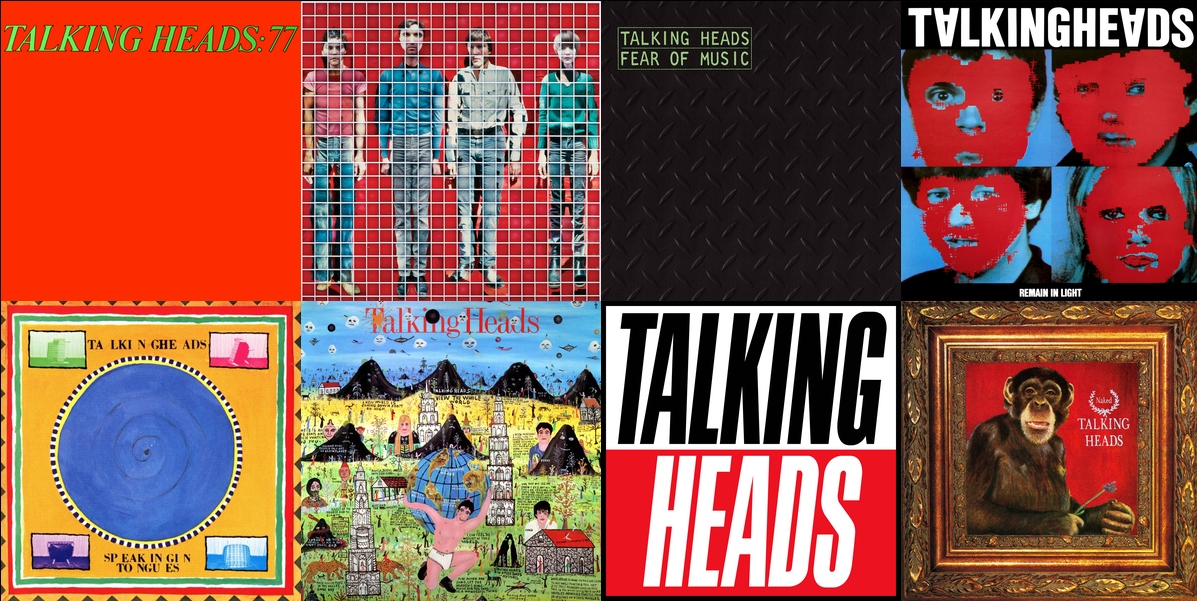
Talking Heads traversed punk, funk, and world music across eight records, from 77 to Speaking in Tongues and Remain in Light. Their shifts in sound always felt purposeful, cementing a discography free of filler.