


When MTV debuted on August 1, 1981, it felt like the beginning of music video culture. But long before the satellite dish beamed Video Killed the Radio Star into living rooms, musicians and directors had already been experimenting with visuals that pushed songs into new artistic territory. These early clips, concert films, and TV promos shaped the way artists used video as a language of their own — making MTV possible in the first place.
Here are 12 influential videos that lit the path.
The Beatles – Paperback Writer (1966)
Directed by Michael Lindsay-Hogg, this promo clip was shot outdoors at Chiswick House. The Beatles are relaxed yet enigmatic, with the visuals giving the sense of a band evolving beyond pop idols into something larger.
The Doors – Break On Through (To the Other Side) (1967)
A kaleidoscopic studio-set clip showcasing Jim Morrison’s hypnotic performance style. The swirling visuals captured psychedelia in motion and gave rock fans a preview of how atmosphere could be engineered through film.
David Bowie – Space Oddity (1969)
Released alongside his breakthrough single, this short film paired Ziggy Stardust’s proto-visionary imagery with the song’s sci-fi narrative. Bowie was already positioning music video as performance art.
Queen – Bohemian Rhapsody (1975)
A defining pre-MTV video. Dramatic lighting, layered imagery, and bold editing built an atmosphere equal to the operatic song itself. Without this clip, the music video boom might have looked very different.
ABBA – Knowing Me, Knowing You (1977)
ABBA leaned on visual storytelling as much as their immaculate harmonies. The wintry landscape, camera zooms, and dramatic staging turn the breakup song into pure cinema.
Devo – Jocko Homo (1977)
Self-produced, raw, and unsettling. Devo’s basement-filmed video turned satire into spectacle, blurring the lines between art school project and cultural prophecy.
Blondie – Denis (1978)
Debbie Harry fronts the band with a mixture of glamour and irony, fusing punk’s sneer with pop’s shine. Blondie showed how a clip could play with identity as much as melody.
Kate Bush – Wuthering Heights (1978)
In flowing red and white dresses, Bush performs otherworldly choreography in two distinct versions. Both highlight her theatrical sensibility and foreshadow how music video could become high art.
Talking Heads – Psycho Killer (1978, live for BBC’s Old Grey Whistle Test)
The stark staging and Byrne’s twitchy performance demonstrated how a live video could still feel surreal, foreshadowing the conceptual performances that would dominate ’80s art rock.
The Buggles – Video Killed the Radio Star (1979)
Though remembered as MTV’s first broadcast, the video existed earlier, setting the stage with futuristic imagery and meta-commentary about the medium itself.
Elvis Costello – Oliver’s Army (1979)
A straightforward performance clip elevated by sharp edits and Costello’s energy. Proof that minimal visuals could still amplify a song’s urgency.
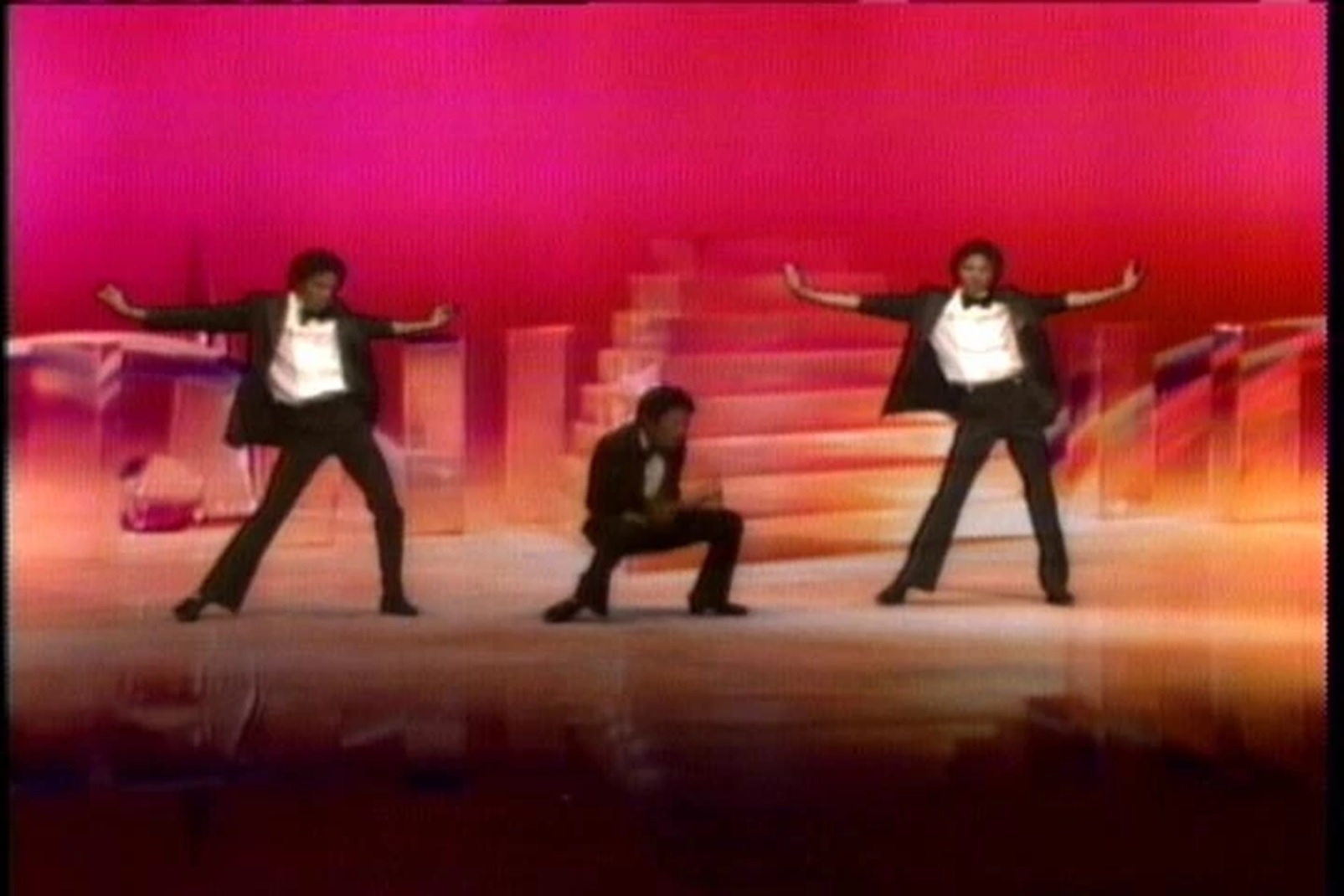
Michael Jackson – Don’t Stop ’Til You Get Enough (1979)
Jackson, backed by glowing special effects, showed how a single performer could dominate a frame with charisma and rhythm. It pointed directly toward the spectacle-driven future of the genre.
Before MTV, these visuals were often scattered across regional TV, European broadcasts, or late-night shows. They weren’t always easy to find, but they proved that artists saw video not just as promotion, but as a creative canvas. From Bowie’s cosmic theater to Queen’s operatic shadows, the DNA of the modern music video was already written.
By the time MTV launched, the language was in place — artists were ready, cameras were rolling, and the world was primed for a revolution that had already been a decade in the making.