


Today is the National Day for Truth and Reconciliation, a time to reflect on the painful legacy of residential schools, honour survivors, and amplify Indigenous voices. Music is one of the most powerful ways to listen, learn, and heal — and these artists are helping lead the way.
Francis Baptiste
Syilx singer-songwriter Francis Baptiste blends indie folk textures with lyrics sung in both English and nsyilxcən, the endangered language of his community. His work is a moving act of reclamation, using contemporary songwriting to preserve and revive Indigenous language.
Mike Bern
From Tobique First Nation in New Brunswick, Mike Bern crafts rock and soul-infused songs rooted in his Maliseet heritage. With airplay on Indigenous radio and festival stages across the country, his voice carries both grit and tenderness, bridging tradition with modernity.
Trent Agecoutay (Uncle Trent)
Métis singer-songwriter Trent Agecoutay, known as Uncle Trent, writes music steeped in storytelling and connection. Drawing from country, folk, and blues traditions, his songs explore family, heritage, and lived experience in ways that resonate across cultures.
Susan Aglukark
The first Inuk artist to win a JUNO Award, Susan Aglukark has been a trailblazer for decades. Singing in English and Inuktitut, she fuses pop and traditional Inuit sounds, often highlighting themes of healing, hope, and cultural pride. Her legacy paved the way for many who followed.
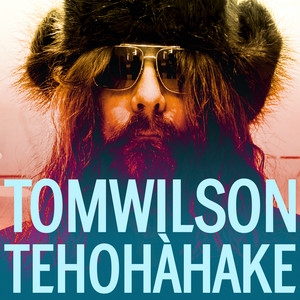
Tom Wilson
A towering figure in Canadian music, Tom Wilson (Blackie and the Rodeo Kings, Lee Harvey Osmond) reconnected with his Mohawk heritage later in life. His art — spanning music, visual work, and his memoir Beautiful Scars — reflects identity, discovery, and the lifelong journey of truth.
TRIBZ
TRIBZ is more than a band; it is a coalition of experience, heritage, and conviction. Comprised of Juno Award–winning vocalist Errol Starr Francis, Six Nations Tuscarora guitarist Earl Johnson, Mohawk bassist Donny Hill, and Hamilton drummer Dave Davidson, the group has over four decades each of lived musical history. Their music is a melting pot of R&B, blues, Motown, reggae, rock, and Indigenous tradition, unified under a mission of peace, love, and empowerment.
Stirling John
Ojibwa Inspirational Country artist Stirling John, from Saugeen First Nation, brings uplifting energy to every track. Influenced by country greats like Paul Brandt, he uses music as a platform to shine a light on real-life struggles and triumphs.
Logan Staats
After winning The Launch in 2018, Logan Staats has become one of the most recognizable Indigenous voices in Canada. The Mohawk singer-songwriter draws deeply from Six Nations’ blues and rock traditions, blending raw emotion with a mission of healing and sovereignty.
Joel Wood
Cree musician Joel Wood, winner of the 2024 JUNO for Traditional Indigenous Artist of the Year, infuses his songs with powwow and round dance traditions. By centering the Cree language in his music, he preserves its beauty while bringing traditional forms to new audiences.
Zoon
Anishinaabe artist Daniel Monkman, known as Zoon, has been hailed as a pioneer of “moccasin-gaze,” merging shoegaze textures with Indigenous identity and language reclamation. Their JUNO-nominated album Bekka Ma’iingan explores resilience, colonial history, and self-discovery.
These are just ten of the many Indigenous artists making vital, beautiful music today. On this National Day for Truth and Reconciliation, take the time to listen — and then go seek out more voices. Indigenous music is vast, diverse, and essential, and it deserves to be heard every day of the year.