


Protest songs once carried the power to rattle governments, galvanize movements, and dominate the airwaves. Today, you rarely hear them on mainstream radio. Part of this absence comes down to three factors: first, the consolidation of radio ownership and its preference for safe, apolitical hits; second, the rise of algorithm-driven streaming that rewards mood playlists over message; and third, the fragmentation of popular culture, where no single song can so easily unify the public imagination. Still, many of the classics remain as potent and piercing as when they were first written.
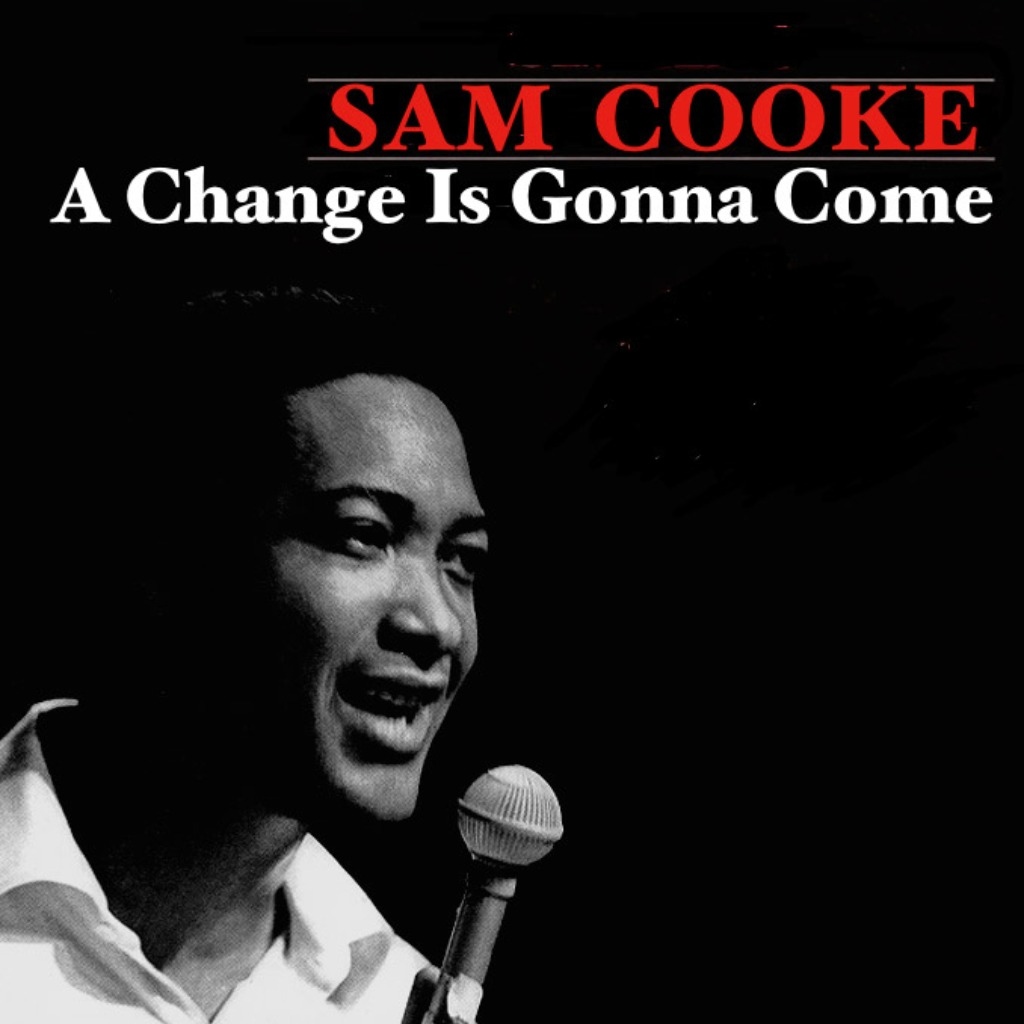
“A Change Is Gonna Come” — Sam Cooke
Cooke’s 1964 anthem became a soundtrack for the Civil Rights Movement, blending gospel’s yearning with pop’s immediacy. Its hopeful yet mournful tone continues to resonate as a timeless call for justice.
“Blowin’ in the Wind” — Bob Dylan
Dylan’s deceptively simple 1962 ballad posed rhetorical questions about peace, war, and freedom. Its enduring power lies in its refusal to offer answers, instead forcing listeners to wrestle with them.
“Born in the U.S.A.” — Bruce Springsteen
Often misinterpreted as a patriotic anthem, Springsteen’s 1984 hit was a searing critique of America’s treatment of Vietnam veterans. Its pounding chorus still masks a sobering indictment of neglect.
“Eve of Destruction” — Barry McGuire
This 1965 chart-topper captured the paranoia of nuclear war and civil unrest. McGuire’s gravelly delivery made the song both a pop phenomenon and a polarizing lightning rod.
“Fight the Power” — Public Enemy
Commissioned for Spike Lee’s Do the Right Thing, this 1989 track raged against systemic racism with unrelenting force. Its chorus remains an electrifying call to resistance.
“Fortunate Son” — Creedence Clearwater Revival
John Fogerty’s furious 1969 anthem blasted the inequities of Vietnam-era draft policies. Its raw energy and cutting lyrics keep it relevant whenever privilege shields the powerful from sacrifice.
“Get Up, Stand Up” — Bob Marley and the Wailers
Marley and Peter Tosh wrote this 1973 classic after witnessing poverty in Haiti. Its rallying cry against oppression carries the righteous fervor of a sermon set to reggae.
“Give Peace a Chance” — John Lennon
Recorded during Lennon and Yoko Ono’s 1969 “Bed-In” protest, this singalong chorus became a global anti-war chant. Its simplicity is precisely what gives it force.
“Killing in the Name” — Rage Against the Machine
Released in 1992, the song exploded with fury at police brutality and systemic racism. Its ferocious refrain remains an unflinching indictment of authority abused.
“Masters of War” — Bob Dylan
Dylan’s 1963 broadside remains one of the most lacerating antiwar songs ever written. Stripped of metaphor, it names and shames the profiteers of violence.
“Mississippi Goddam” — Nina Simone
Written in response to the murder of Medgar Evers and the 1963 Birmingham church bombing, Simone’s blistering track shattered the polite protest song mold. Its mix of cabaret rhythm and righteous rage is still shocking.
“Strange Fruit” — Billie Holiday
Holiday’s haunting 1939 recording about lynching is one of the earliest and most powerful protest songs in American music. Stark and unflinching, it remains devastating.
“Sunday Bloody Sunday” — U2
This 1983 anthem about the Troubles in Northern Ireland blends martial drums with anguished lyrics. U2 transforms tragedy into a communal act of mourning and defiance.
“What’s Going On” — Marvin Gaye
Released in 1971, Gaye’s soulful plea for peace and understanding responded to war, poverty, and injustice. Its blend of tenderness and urgency makes it one of the most enduring protest songs of all time.