


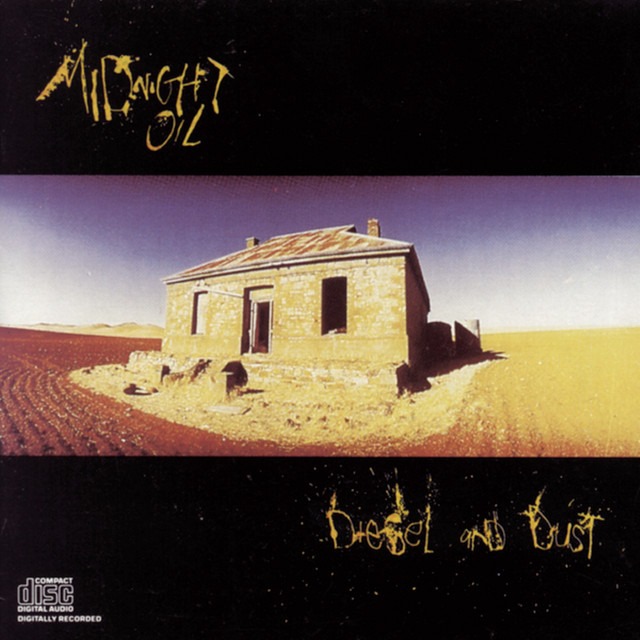
When Midnight Oil released ‘Diesel and Dust’ in 1987, it became a global phenomenon built on passion, politics, and purpose. Beyond its iconic singles and legendary message, here are five facts that reveal the album’s deeper story.
1. The Album Was Inspired by a Transformative Outback Tour
In 1986, Midnight Oil joined Indigenous bands Warumpi Band and Gondwanaland on the Blackfella/Whitefella Tour, performing in remote Aboriginal communities across the Australian outback. The experience changed them profoundly, sparking the themes of land rights, reconciliation, and environmental awareness that shaped ‘Diesel and Dust’.
2. One Song Was Removed from the U.S. Release
The track “Gunbarrel Highway” didn’t appear on the U.S. version of the album. The lyric “shit falls like rain on a world that is brown” was reportedly considered too offensive for American audiences, leading Columbia Records to omit it.
3. The Album’s Artwork Won an ARIA Award
Photographer Ken Duncan and visual artist Wart (Jen Waterhouse) designed the now-iconic album cover, which captures the rugged, sunburnt beauty of rural Australia. Their work earned ‘Diesel and Dust’ the 1988 ARIA Award for Best Cover Art.
4. ‘The Dead Heart’ Was Written for Uluru’s Historic Handback
“The Dead Heart” was originally created for the 1985 ceremony that returned Uluru to its traditional Aboriginal caretakers. Midnight Oil donated all royalties from the song to Indigenous communities, further grounding the band’s activism in tangible action.
5. It Became One of the Most Celebrated Australian Albums Ever
Rolling Stone named it the best album of 1988 and later ranked it among the greatest of the decade. In 2010, ‘Diesel and Dust’ topped 100 Best Australian Albums, and in 2021, Rolling Stone Australia placed it at No. 5 on their list of the 200 Greatest Australian Albums of All Time.
‘Diesel and Dust’ remains a landmark of conscience and creativity — a record that connected rock music to the heart of Australia’s story and the world beyond.