


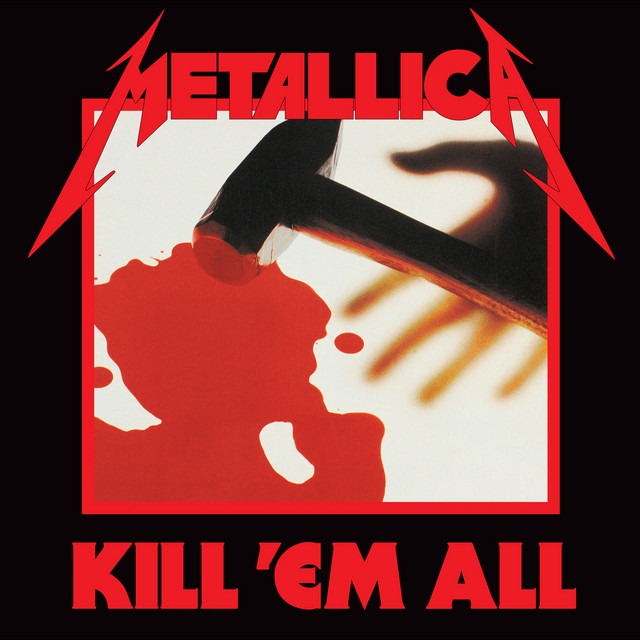
When Kill ’Em All roared out of speakers in 1983, it marked the birth of thrash metal. Metallica’s debut fused punk speed with metal precision, creating a sound that shattered the rules of heavy music. Recorded on a small budget and pure hunger, the album turned four young Californians into global pioneers. Its influence ignited a movement that reshaped hard rock forever and still defines the heart of metal’s raw energy.
1. Recorded in just two weeks on $15,000
Metallica entered Music America Studios in Rochester, New York, with little money and no major label support. The sessions were fast, loud, and relentless. Most of the album was recorded in first takes, capturing the band’s ferocity before they even had a hotel to sleep in.
2. The title came from Cliff Burton’s defiance
The band originally wanted to call the record Metal Up Your Ass, complete with a toilet-dagger cover. When distributors refused, bassist Cliff Burton joked, “Kill ’em all!” in frustration. The phrase stuck, becoming a rallying cry for a band that refused to bow to anyone.
3. Dave Mustaine’s fingerprints remain all over it
Though fired before recording, guitarist Dave Mustaine co-wrote four songs, including “The Four Horsemen” and “Jump in the Fire.” Kirk Hammett built on Mustaine’s early riffs, creating solos that pushed speed and precision to new levels. The mix of rage and skill set the tone for thrash metal.
4. “Whiplash” defined the thrash movement
The album’s first single, “Whiplash,” ran at breakneck speed with crushing riffs and lyrics celebrating headbanging itself. Critics and fans saw it as the birth of thrash, a new metal form powered by sheer momentum and attitude that inspired legions of young bands.
5. It changed the sound and spirit of metal
Kill ’Em All stripped metal of glam and excess, replacing it with raw power and authenticity. Songs like “Seek & Destroy” and “Motorbreath” became anthems for fans who lived for the pit. The album’s speed, honesty, and aggression reshaped rock history and opened the floodgates for generations of heavy music.