


The world in 1971 was restless, and Sly and the Family Stone caught its heartbeat. ‘There’s a Riot Goin’ On’ arrived like a storm—slow, heavy, and unstoppable. It carried the spirit of protest, the fatigue of change, and the rhythm of a new kind of funk. Every hiss, groove, and layered sound came from a place of tension and truth. What emerged was not just an album but a declaration that music could hold both the fire and the silence of its time.
1. Sly Stone recorded most of it entirely alone
Sly built his own studio in his Bel Air home and layered nearly every instrument himself. He used a Maestro Rhythm King drum machine and recorded vocals lying in bed with a wireless mic. Each track carries his fingerprint, from the groove to the murky mix, building a sound that became the blueprint for generations of funk and hip hop artists.
2. “Family Affair” broke ground and topped the charts
The album’s centerpiece, “Family Affair,” mixed electric piano from Billy Preston with a heartbeat-like rhythm track. Sly and his sister Rose sang with quiet intensity, creating a groove both intimate and unshakable. It reached #1 on the Billboard Hot 100 and became one of the earliest chart-topping songs to use a drum machine.
3. The silent title track held powerful meaning
The track “There’s a Riot Goin’ On” runs zero minutes and zero seconds. When asked about it, Sly said, “I felt there should be no riots.” The absence of sound carried its own message, a refusal to glorify chaos while still reflecting the tension of the time.
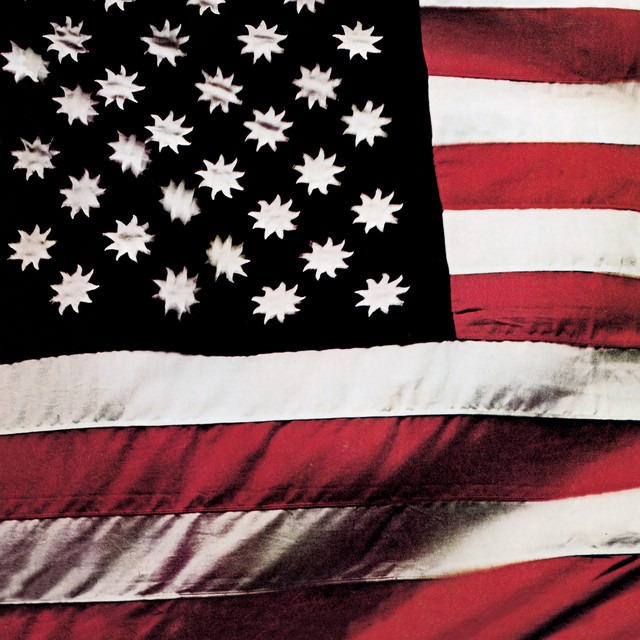
4. The American flag on the cover was redesigned to speak truth
Sly replaced the stars with suns and turned the blue field black. He explained that black represented the absence of color, white represented all colors combined, and red symbolized blood—the one thing everyone shares. It became one of the most powerful visual statements in album art history.
5. The album reshaped music and culture
‘There’s a Riot Goin’ On’ hit #1 on both the Billboard Pop and Soul charts and later earned platinum certification. Its influence runs through artists from Miles Davis to Prince to Public Enemy. In 1999, it entered the Grammy Hall of Fame, forever marked as a creation that changed how funk could sound, move, and speak.