


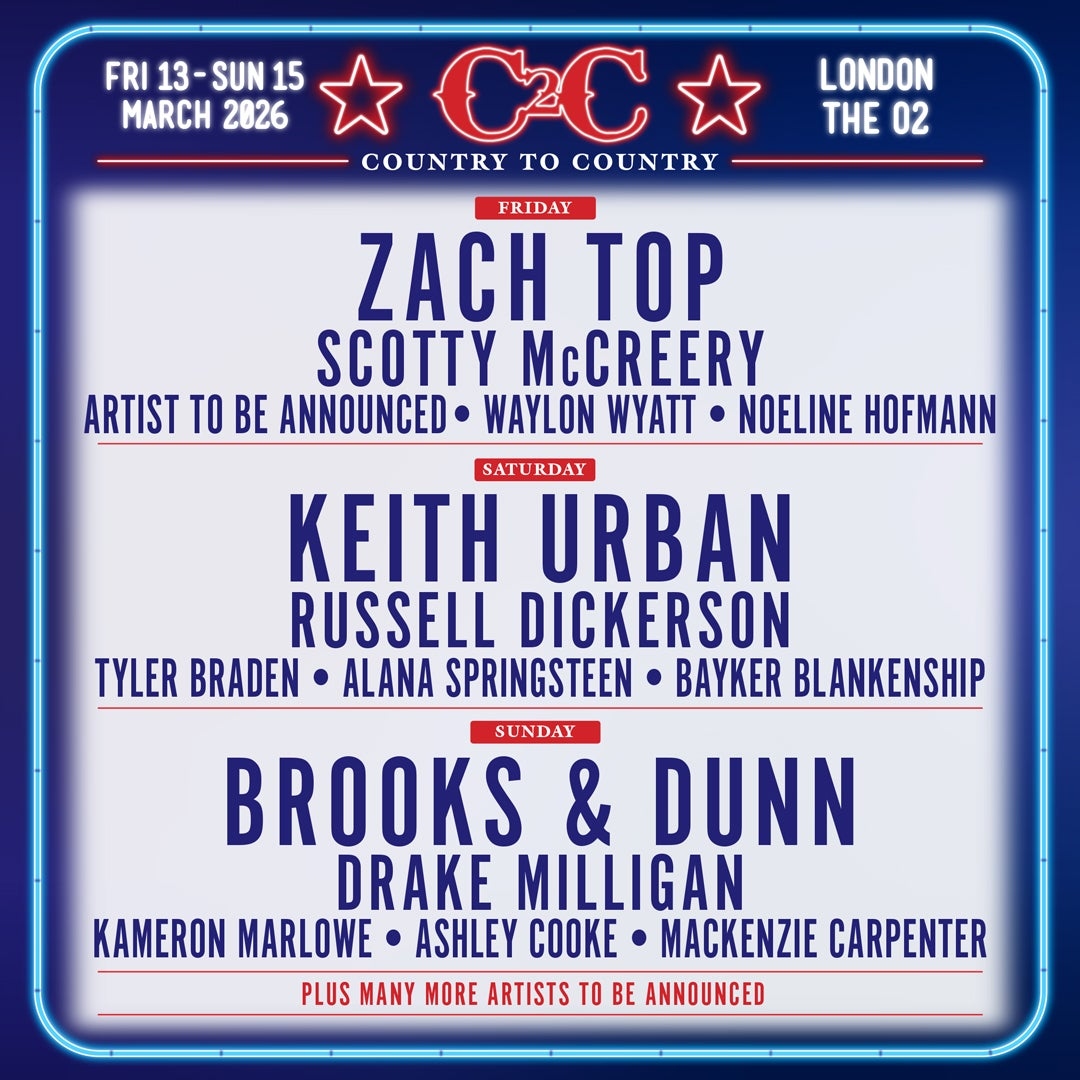
Country music is having a moment in Britain that would have sounded impossible a decade ago. What was once considered an exclusively American export has become a full blown UK obsession, filling arenas, shaping playlists and rewriting the rules of what British audiences want from their music. So why the sudden surge? Here are ten reasons behind the rise of the great Reverse British Invasion.
1. Streaming finally opened the gates
For years, British listeners had almost no access to country radio, which meant the genre simply never crossed the Atlantic. That changed when Spotify, Apple Music and YouTube began feeding UK users tracks from Luke Combs, Lainey Wilson, Morgan Wallen and Zach Bryan. Algorithms did the job radio never did, and listeners realised the music had been their thing all along.
2. The folk and Americana revival paved the way
Bands like Mumford and Sons, The Lumineers and Noah Kahan softened the ground for country without naming it outright. Their acoustic energy, earnest lyrics and pastoral imagery felt familiar to UK audiences already raised on Brit folk. When proper Nashville acts started landing in the mix, the jump didn’t feel as big as it once would have.
3. Country pop became an easy cultural bridge
Shania Twain, Taylor Swift and Kacey Musgraves gave British listeners a friendly introduction to the genre through glossy hooks and crossover appeal. These artists carried country aesthetics into pop culture long before the hardcore Nashville names arrived. Once that door was open, the audience followed deeper into the genre.
4. Live festivals created genuine community
Country2Country (C2C) transformed the landscape by packing out the O2 and arenas across Glasgow and Dublin. British fans discovered that country music thrives live, where big vocals and bigger emotions connect instantly. The festival became a cultural event, not just a genre niche, and the energy spilled outward.
5. Nashville started paying attention to the UK
Major labels, managers and artists began intentionally investing in Britain, adding UK dates to tour routes and pitching British media. What started as an experiment is now strategy. Nashville realised the UK isn’t a fringe market but a loyal one, and artists return because the crowds are loud and the venues sell out.
6. British artists normalised the sound
Acts like Ward Thomas and The Shires made country feel homegrown rather than imported. They proved British voices could sit comfortably in the genre without parody or pastiche. As UK country artists charted and toured, the scene felt less like cosplay and more like a natural evolution.
7. The themes resonate deeply with UK life
Country’s lyrical obsession with working class pride, heartbreak, resilience and small town frustrations mirrors Britain’s own mood. In a time of economic pressure and cultural uncertainty, those stories land hard. It’s emotional honesty rather than Americana cosplay that has pulled new fans in.
8. Social media removed the old barriers
TikTok and Instagram became highways for country discovery, especially for independent acts like Zach Bryan and Tyler Childers. British listeners found these artists through raw, unfiltered clips rather than traditional media. Once again, the internet broke a decades long blockade.
9. Cowboy aesthetics unexpectedly caught fire
From festival fashion to high street trends, western boots, denim and Americana imagery have become part of the UK’s style cycle. When the look trends, the soundtrack follows. Country entered youth culture not just through songs, but through wardrobes and Instagram grids.
10. Country artists absolutely deliver live
Even newcomers are turning UK arenas into emotional uproars. British crowds respond to big choruses, charismatic performers and songs you can shout with a drink in your hand. Country artists bring all three. Once British audiences experienced that on stage, the genre stopped feeling “American” and started feeling universal.
Country isn’t invading Britain so much as Britain has finally discovered how much it fits our own lives, values and musical tastes. The reverse British Invasion is real, and judging by the crowds, it’s only just begun.