


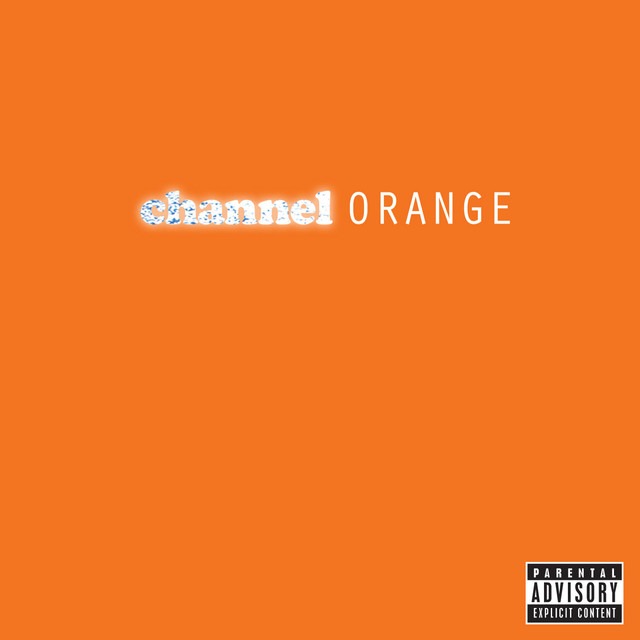
Frank Ocean’s Channel Orange changed modern R and B with its dreamy worlds, rich storytelling, and the orange glow that shaped an entire era. Behind the acclaim sits a set of fascinating details that reveal just how bold and experimental the project truly was. These five little known facts show how the album came together with creativity, risk, and pure Frank Ocean imagination.
1. The Album Was Written in Only Two Weeks
Frank Ocean and Malay began writing in February 2011 and formed ideas by improvising at keyboards and guitars. Ocean typed lyrics on a laptop for the first time instead of storing lines in his head. The two shifted between past experience and imagination to build entire worlds. Ocean later said the album defined exactly where he stood as an artist.
2. Frank Recorded Alone for Months Before Rejoining Malay
Ocean tracked vocals by himself for several months, aiming for a standard that satisfied him before any production began. Only after shaping the emotional tone did he reconnect with Malay. Those solo sessions created the intimate atmosphere that runs through the album. Malay said Ocean carried a diligent, focused work ethic throughout the process.
3. Andre 3000 Agreed to Appear Only If Big Boi Did Not Join Him
Frank originally invited both Outkast members for “Pink Matter.” Andre 3000 chose to appear alone because he did not want an Outkast reunion on another artist’s album. Andre played guitar and delivered a verse after Frank asked him to tell any story he wanted. The collaboration became one of the album’s most iconic features.
4. Frank Planned to Record the Album Alone in a Beverly Hills Mansion
Ocean originally intended to avoid expensive studios by renting a mansion with a pool and sauna and bringing gear into the home. He recorded only three songs there: “Lost,” “Pyramids,” and “Analog 2.” The rest happened back at EastWest Studios, where he preferred the vintage 1960s equipment. The mansion idea became a creative side path instead of the main workspace.
5. Everest the Dog Received Executive Producer Credit Instead of Frank
Wanting the focus to stay on the work, Frank requested that his own name not appear on the front cover. Instead, he credited Everest, his Bernese Mountain Dog, as the album’s executive producer. It added a playful, personal detail to an album that wrestled with deep emotion, identity, and memory. It also echoed Frank’s love for anonymity and storytelling.