


Doo-Wop was the heartbeat of rock and roll’s earliest romance, built on nothing but pure, raw vocal harmony, a driving bass line, and maybe a few finger snaps, perfecting the art of storytelling and melodic structure. This genre is the essential DNA for countless acts: The Beatles studied its chord changes, The Beach Boys built their entire sound on its vocal stacks, and even Motown acts polished its foundational rhythm, teaching musicians how to use the human voice as a primary instrument and influencing everyone from Frankie Valli to Amy Winehouse. It is the sound of innocence, heartbreak, and pure joy, echoing in the background of every great song made since; so turn up the volume, grab a milkshake, and dive into 30 of the absolute best.
- “16 Candles” – The Crests (1958): This track is the quintessential romantic slow dance, capturing the sweet innocence of a teenager’s special birthday wish, and lead singer Johnny Maestro’s smooth, effortless vocals made this a massive crossover hit, immortalizing the song in pop culture.
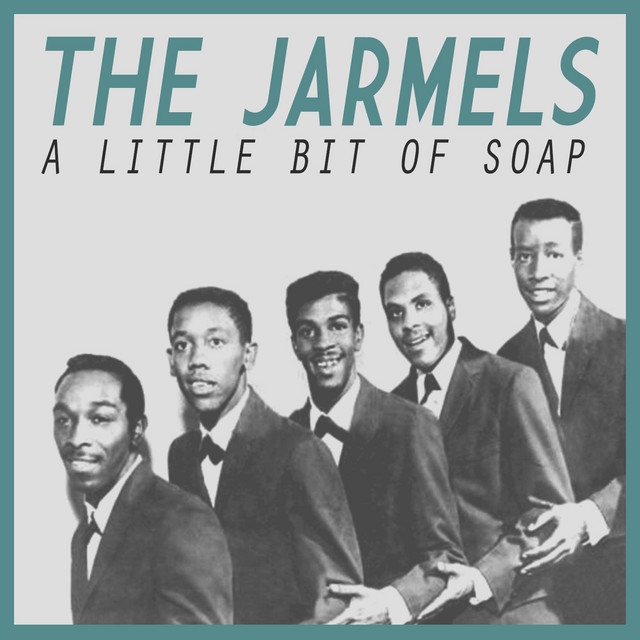
- “A Little Bit of Soap” – The Jarmels (1986): While the original hit was 1961, this is a nod to its enduring popularity and the simple, metaphorical lyrics about trying to wash away sorrow, remaining a catchy example of how a minimal arrangement can amplify a strong vocal melody and emotional core.
- “A Teenager in Love” – Dion DiMucci: Dion perfectly embodied the angst and drama of young romance with this massive, foundational pop record, and the song’s theatrical arrangement and swooning vocals set the standard for late-50s romantic ballads.
- “At the Hop” – Danny & the Juniors (1957): An absolute explosion of energy, this track is the defining sound of the dance craze and the early rock and roll era, with its simple, infectious rhythm and call-and-response vocals making it an instant classic for every sock hop across the country.
- “Barbara Ann” – The Regents (1961): Originally a simple, upbeat novelty tune, this song achieved true legendary status after being covered by The Beach Boys, showcasing the pure, joyous power of group vocals centered on an easy-to-sing-along, catchy chorus.
- “Blue Moon” – The Marcels (1961): The Marcels took this classic standard and injected it with wild, unexpected energy via a thumping bass vocal intro, and the result was an electrifying, innovative take that became a massive hit and one of the most recognizable doo-wop tracks ever.
- “Come Go with Me” – The Del-Vikings (1956): A pioneering track that crossed racial lines, this song features a catchy, driving beat and one of the most famous vocal hooks in music history, serving as a masterful example of blending rhythm and blues energy with clean, pop-friendly harmonies.
- “Dance With Me” – The Drifters (1968): Showcasing the later, more sophisticated phase of Doo-Wop, this track introduced orchestral elements and polished production, maintaining the core vocal harmonies while embracing the growing complexity of pop music arrangements.
- “Duke of Earl” – Gene Chandler (1961): An undisputed classic that opens with a dramatic, unforgettable, non-sense word vocal hook, establishing an immediate royal persona, and Chandler’s theatrical delivery and the song’s grand production cemented its status as a timeless, signature piece of the genre.
- “Earth Angel (Will You Be Mine)” – The Penguins (1954): Often cited as the song that launched the golden age of Doo-Wop, its gentle, pleading vocal delivery is pure romance, and its slow, sincere pace and gorgeous harmonies perfectly capture the mood of hopeful, young love.
- “Fool, Fool, Fool” – Kay Starr: While mainly known for pop and country, this entry highlights how R&B and doo-wop concepts bled into different genres, featuring the tight vocal arrangements and bluesy undercurrent that were foundational to the genre’s DNA.
- “Goodnight, Sweetheart, Goodnight” – The Spaniels (1953): A defining track of the early doo-wop sound, this is the ultimate romantic closer for any dance or date, with the deep, resonant bass vocal and sweet, high-pitched lead creating a perfect, sentimental contrast.
- “I Only Have Eyes for You” – The Flamingos (1959): An iconic cover that transcends the original, turning a 1930s standard into a mesmerizing, ethereal dreamscape, and the arrangement’s vocal effects and slow, floating quality showcase the supreme artistic potential of the genre.
- “I Wonder Why” – Dion and the Belmonts (1959): Featuring an unforgettable, hiccupping lead vocal, this song is a fun, energetic romp that defined the genre’s playful side, and the tight harmony backing of The Belmonts provided the perfect, driving rhythmic support.
- “In the Still of the Night” – The Five Satins (1956): Arguably the most romantic and timeless of all the slow doo-wop ballads, perfect for late-night reflection, the song’s use of simple percussion and haunting, reverb-drenched vocals creates an intensely intimate atmosphere.
- “Just a Dream” – Jimmy Clanton and His Rockets (2015): This later re-recording highlights the incredible durability and lasting appeal of the classic 1950s sentiment, as the song’s core theme of heartache disguised as a dream remains a perfectly relatable piece of pop songwriting.
- “Little Darlin'” – The Diamonds (1955): The white Canadian group’s cover of this track became an absolutely massive hit, blending rock and roll aggression with doo-wop sensibility, and its famous fast-paced recitation breakdown is one of the most recognizable moments in rock history.
- “Little Star” – The Elegants (1958): A gorgeous, celestial ballad that uses layered falsetto and bass vocals to create a sense of vast, tender atmosphere, with the song’s beauty lying in its simplicity and the flawless execution of the high-reaching melody.
- “Maybe” – The Chantels (1958): An incredibly powerful and soulful performance, setting the standard for female groups in the developing rock era, where Arlene Smith’s mature, emotional lead vocal elevated this song beyond typical teenage fare.
- “Mr. Blue” – The Fleetwoods (1958): Known for its airy, sparse production, this ballad achieved a beautiful, melancholic sound quite distinct for the era, and the blend of male and female vocals, focused on texture and feeling, helped it reach the very top of the charts.
- “Oh What a Night” – The Dells (1955): An early, powerful track showcasing The Dells’ incredible vocal range and emotional complexity, hinting at future soul greatness, this song has an enduring quality, later re-released and gaining renewed attention for its timeless narrative.
- “Only You (And You Alone)” – The Platters (1960): Though recorded earlier, this 1960 version emphasizes the Platters’ perfected, signature sophisticated delivery, with Tony Williams’ soaring lead vocal and the group’s lush background harmonies making this an international standard.
- “Pretty Little Angel Eyes” – Curtis Lee (1961): A catchy, uptempo track produced by Phil Spector, showcasing the emerging wall-of-sound production style, this song successfully married the core doo-wop structure with a driving, exciting pop beat.
- “Remember Then” – The Earls (1961): A nostalgic favorite, this track perfectly captures the wistful feeling of looking back at sweet, uncomplicated memories, and it remains a celebrated example of harmony and melody working together to evoke a powerful sense of time and place.
- “Runaround Sue” – Dion DiMucci (1961): Dion’s solo masterpiece is an infectious, energetic story song about a girl who just can’t be faithful, with the call-and-response refrain and saxophone breakdown making this one of the most danceable and memorable tracks of the era.
- “Save the Last Dance for Me” – The Drifters (1962): A gorgeous, bittersweet hit featuring Ben E. King’s expressive vocals and a sophisticated Latin-tinged rhythm, this track is a masterclass in combining high-quality songwriting with flawless, polished R&B performance.
- “Searchin'” – The Coasters (1956): A hilarious and highly theatrical track showcasing The Coasters’ unique blend of comedy and R&B genius, as the song’s narrative structure and King Curtis’s saxophone break made it an influential, groundbreaking record.
- “Sh-Boom” – The Chords (1954): Often credited as the first rock and roll hit by a Black R&B group to cross over into the pop charts, opening the doors for many others, its unique structure, combining novelty sounds with smooth harmony, helped define the genre’s early experimental phase.
- “Sincerely” – The Moonglows (1953): An early, pure, and immensely influential ballad that showcased the stunning vocal blend of this Chicago group, with the song’s success directly inspiring countless vocal groups who tried to capture its smooth, romantic tone.
- “Six Nights A Week” – The Crests (1958): A mid-tempo delight that captures the daily grind and devotion of young love, featuring Johnny Maestro’s reliable lead, where its consistent, steady rhythm provides the perfect canvas for the Crests’ tight, rhythmic backing harmonies.
- “Smoke Gets in Your Eyes” – The Platters (1959): The Platters gave this standard a transcendent treatment, featuring an elegant, deeply emotional performance by Tony Williams, proving that Doo-Wop groups could handle sophisticated, complex material with orchestral grace.
- “Stay” – Maurice Williams & The Zodiacs (1960): At just 1 minute and 36 seconds, it’s one of the shortest songs ever to hit No. 1, using its brevity to maximize punch, and the famous, insistent falsetto hook makes this track an unforgettable, energetic classic.
- “Tears On My Pillow” – Little Anthony and the Imperials (1959): Little Anthony Gourdine’s dramatic, passionate high-tenor vocal made this heartbreaking ballad an instant landmark, masterfully conveying intense teenage sorrow and making it an essential piece of the emotional doo-wop canon.
- “Ten Commandments of Love” – Harvey And The Moonglows (1953): A clever, extended narrative song where the singer lays out rules for his lover in a deeply sincere tone, with Harvey Fuqua’s smooth vocal delivery and the dramatic structure making it a beloved, unique piece of the era.
- “The Great Pretender” – The Platters (1955): Tony Williams’ soaring, operatic vocal performance here is one of the most iconic in all of Doo-Wop and early rock, and the track perfectly captures the universal feeling of masking sadness with a public performance.
- “The Lion Sleeps Tonight” – The Tokens (1961): A massive, globally recognized hit built around an unforgettable, high-pitched falsetto and a driving rhythm, this song showcases the genre’s ability to turn traditional sounds into exuberant, cross-cultural pop anthems.
- “There Goes My Baby” – The Drifters (1959): An earth-shattering track that introduced Latin rhythms and orchestral strings to R&B, radically transforming the genre, and Ben E. King’s raw, emotional lead vocal is a performance for the ages, defining the sound of proto-soul.
- “Twilight Time” – The Platters (1958): A lush, dreamy ballad that utilizes the group’s signature blend of sophisticated vocals and sweeping arrangements, serving as a perfect example of Doo-Wop’s ability to elevate a simple pop song into something grand and romantic.
- “Up On the Roof” – The Drifters (1964): A gorgeous, optimistic song about finding peace and escape above the city chaos, co-written by Carole King and Gerry Goffin, this track pushed the limits of the genre, mixing social commentary with beautiful, uplifting harmonies.
- “Whispering Bells” – The Del-Vikings (1956): A charming, medium-tempo track defined by its distinctive, chiming bell sound effect and smooth, close-knit harmonies, it’s a subtle, sweet example of the genre’s focus on melodic simplicity and vocal texture.
- “Why Do Fools Fall in Love” – The Teenagers: Frankie Lymon’s astonishing, innocent, high-tenor vocal defined the sound of teenage longing for a generation, making the song a masterpiece of youthful energy and impeccable group harmony.
- “Yakety Yak” – The Coasters (1956): A comedic rock and roll masterpiece about teenage chores and parental nagging, all delivered with impeccable timing, its hard-driving backbeat and witty narrative made it a blueprint for future narrative pop songs.
- “(You’ve Got) The Magic Touch” – The Platters (1959): Another showcase for the Platters’ polished sound, this track is pure, sophisticated R&B-pop joy, and its effortless style and irresistible rhythm underscore the group’s commercial appeal and vocal mastery.