


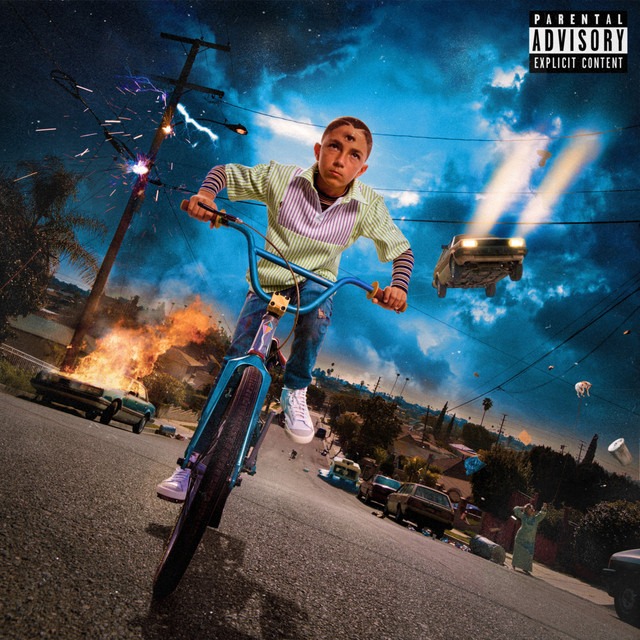
When YHLQMDLG landed, it arrived as a statement of cultural confidence and musical memory. Bad Bunny tapped directly into reggaeton’s roots, channeling the energy of early-2000s perreo while presenting it through a modern, global lens. The album connected generations, linking the genre’s club beginnings to its streaming-era dominance.
Its influence extended far beyond charts. YHLQMDLG reinforced Spanish-language music as a central force in global pop, shaping how reggaeton, Latin trap, and crossover Latin sounds moved in 2020. With massive streaming success, genre-spanning production, and unapologetic identity, the album set a new benchmark for how Latin artists could define trends on their own terms.
1. The Title Was Hidden in Plain Sight
The album title first appeared inside the music video for the lead single “Vete.” Fans spotted it before the album announcement, turning the acronym into an early clue for what was coming.
2. A Leap Day Release by Design
Bad Bunny announced the album just two days before release. It arrived on February 29, 2020, making Leap Day part of the album’s identity and rollout.
3. Old-School Reggaeton Was the Blueprint
The album drew heavily from early reggaeton styles. Tracks like “Safaera” leaned into beat switches and structures inspired by the genre’s 2000s era.
4. A Record-Setting Spanish Album
YHLQMDLG debuted at number two on the Billboard 200. At the time, it became the highest-charting all-Spanish album in the chart’s history.
5. Streaming Defined Its Global Reach
The album finished 2020 as Spotify’s most streamed album worldwide. It also became the best-selling Latin album in the United States that year and won a Grammy for Best Latin Pop or Urban Album.