


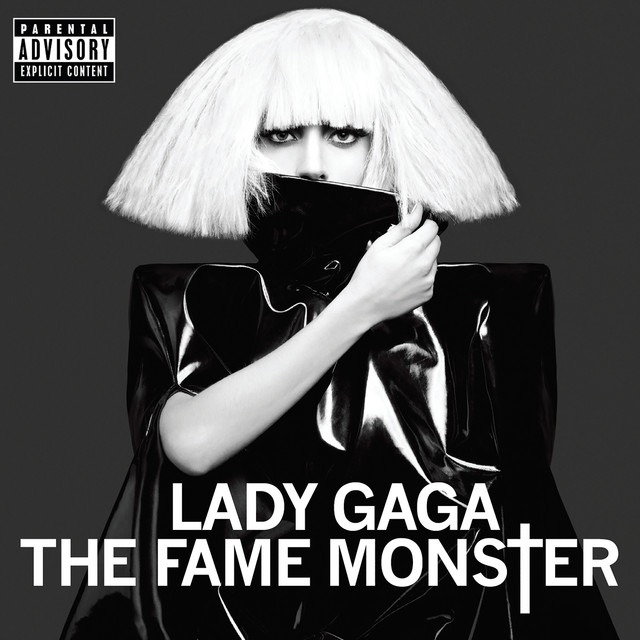
When The Fame Monster arrived, it did more than extend a blockbuster debut. It shifted the temperature of pop music. In a moment when glossy escapism ruled the charts, Lady Gaga leaned into something darker, theatrical, and emotionally charged, proving that mainstream pop could still be strange, challenging, and deeply conceptual without losing its mass appeal.
The project sharpened Gaga’s influence across music, fashion, and visual culture. Its industrial edges, Gothic moods, and club-ready hooks reshaped the sound of late-2000s electropop, while its monster metaphors offered a new language for exploring fame, fear, and identity. This was pop that invited listeners onto the runway, into the club, and behind the curtain all at once.
More than a reissue, The Fame Monster became a cultural hinge point. It elevated Gaga from hitmaker to architect of a fully realized pop universe, set a new standard for ambitious pop rollouts, and inspired a generation of artists to think bigger, darker, and more cinematically. Years later, its influence still pulses through modern pop, dance, and electronic music. Here are 5 amazing facts about the album.
1. It Almost Wasn’t Its Own Thing
The Fame Monster started as a deluxe reissue of The Fame, but Lady Gaga pushed back hard. She felt re-releases were often overpriced and creatively lazy. Instead, she argued the new songs were conceptually different, calling the two projects yin and yang.
2. Eight Songs, One Dark Idea
Unlike The Fame, this project explored the darker side of celebrity using “monster” metaphors. Fear of love, sex, alcohol, and fame itself all became characters. Gaga said touring exposed her to real-life “monsters” that shaped the songs.
3. Fashion Shows Shaped the Sound
The album wasn’t just inspired by clubs and charts. Runways and fashion shows played a major role in its identity. Gaga described it as pop built from industrial and Gothic beats, 90s dance melodies, and 80s melancholic pop obsessions.
4. The Cover Art Caused a Fight
Both album covers were shot by Hedi Slimane, but the darker brunette image was initially rejected. The label felt it was too Gothic for mainstream audiences. Gaga convinced them by tying it to the album’s yin and yang concept.
5. A Monster of a Tour Followed
The Monster Ball Tour supported the album from 2009 to 2011. It became the highest-grossing tour ever by a debut headlining artist. Not bad for a project that almost stayed stuck as a bonus disc.