


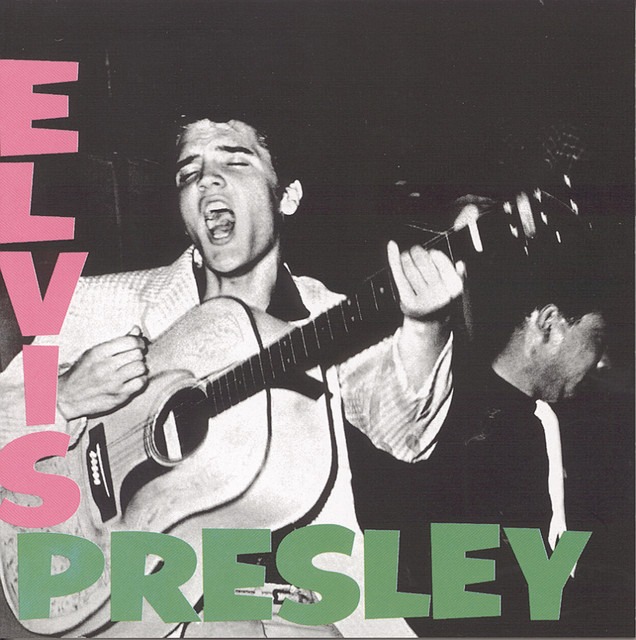
Elvis Presley ignited a global cultural revolution with the 1956 release of his self-titled debut studio album, the record that effectively launched rock and roll into the mainstream. Following RCA Victor’s then-unprecedented $40,000 purchase of his contract from Sun Records, the album became a historic milestone as the first rock and roll LP to top the Billboard charts and the first to sell over a million copies. Combining fresh sessions from Nashville and New York with raw, unreleased tapes from Memphis, the album blended country roots with high-energy rhythm and blues. Its iconic cover, featuring a mid-performance shot of a young, electric Elvis, became a definitive symbol of the era’s youth rebellion. This body of work provides a factual demonstration of how a singular artist could bridge the gap between regional genres and global stardom. Witnessing the transition from his rockabilly beginnings to this multi-platinum phenomenon remains the ultimate highlight for any fan of music history.
The $40,000 Gamble
In late 1955, RCA Victor took a massive financial risk by purchasing Elvis’s contract from Sam Phillips at Sun Records for $40,000—a record-breaking sum at the time for an “untested” property. While major labels were skeptical of the staying power of rock and roll, the investment paid off almost immediately. The debut album became the first RCA pop release to earn over $1,000,000, proving the immense selling power of the genre and solidifying Elvis as a household name.
A Hybrid Tracklist Of Sun And RCA
Because Elvis was constantly on the road following his national television appearances, RCA lacked enough new material to fill a full-length LP. To rush the album to stores, they utilized the rights to his previous Sun Studio tapes, adding five unreleased country-styled songs to seven newer tracks recorded in Nashville and New York. This hybrid approach created a unique sonic blend that leavened his “hillbilly cat” roots with frenetic covers of R&B hits by artists like Little Richard and Ray Charles.
The Carl Perkins Promise
The album’s explosive opening track, “Blue Suede Shoes,” was intentionally withheld from being released as a single for eight months. Producer Steve Sholes made a factual promise to Sam Phillips to protect the career of Carl Perkins, who had written and first recorded the song at Sun. By diverting the track to the album rather than a competing single, RCA allowed Perkins’s version to have its run on the charts, demonstrating a rare moment of industry professional courtesy during the competitive dawn of rock and roll.
The Mystery Of The “Red” Photograph
For decades, it was incorrectly believed that the famous front cover photo was taken by New York photographer Popsie Randolph. It wasn’t until 2002 that it was documented that the actual photographer was William V. “Red” Robertson, who snapped the shot during a performance in Tampa, Florida, in 1955. The Popsie credit on the album was actually for the series of photos on the back cover, leading to a long-standing case of mistaken identity for one of the most recognizable images in pop culture.
A Design That Inspired The Clash
The graphic design of the Elvis Presley cover—featuring green and pink lettering set against a stark black-and-white performance shot—is ranked as one of the greatest album covers of all time. Its visual impact was so profound that it was famously parodied and honored by The Clash for their 1979 masterpiece London Calling. This homage has been echoed by numerous other artists, from Big Audio Dynamite to k.d. lang, cementing the artwork’s legacy as a factual blueprint for rock and roll aesthetics.