


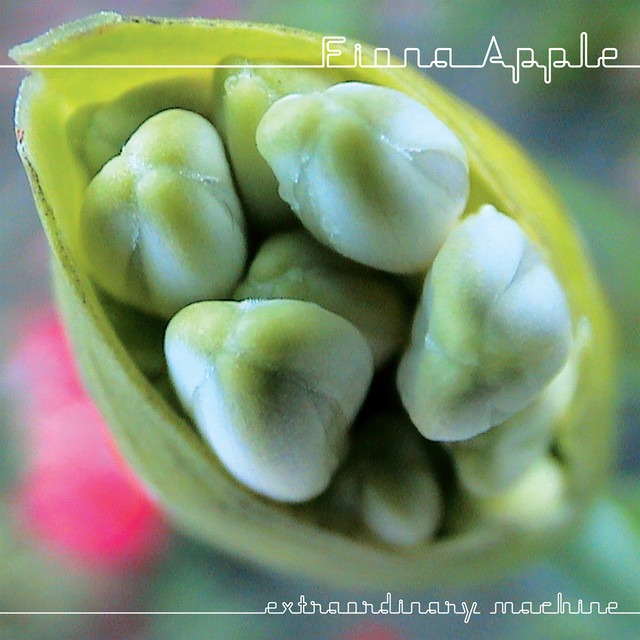
Fiona Apple delivered a triumphant and sophisticated masterclass in art pop with the official release of her third studio album ‘Extraordinary Machine’ in late 2005. Following a legendary three-year delay and a massive fan-led “Free Fiona” campaign, the record emerged as a brilliant reimagining of sessions originally started with producer Jon Brion. Apple teamed up with Mike Elizondo and Brian Kehew to rebuild the tracks from her piano and vocals, adding live drum flourishes from Questlove and fresh instrumental layers that balanced quirky eccentricities with mainstream appeal. The album achieved immediate critical acclaim, earning a Grammy nomination for Best Pop Vocal Album and a high ranking on the greatest albums of all time lists. Every track on this project reflects a daring spirit of perseverance and creative honesty that resonates deeply with her dedicated global following.
The Haunted Paramour Mansion Residency
During the early recording sessions in 2003, Fiona Apple and her creative team took up temporary residence in a wing of the Paramour Mansion in Los Angeles. Built in 1923 by silent film star Antonio Moreno, the historic estate provided a completely amazing and atmospheric backdrop for the initial development of the songs. Percussionist Matt Chamberlain described the experience of living and working within the mansion’s walls as a central part of the album’s eclectic and ecstatically odd sound.
A First Take Breakup Masterpiece
The poignant piano ballad “Parting Gift” stands as a factual anomaly on the record because it is the only track that was not part of the original Jon Brion sessions. Apple wrote the song during the re-recording phase and managed to capture the final version on her very first vocal and piano take in the studio. The track serves as a characteristically bitter and honest look at a failed relationship, proving her ability to deliver high art through raw spontaneity and minimal production.
The Venison For Gear Trade
To repair her 1964 Sears Silvertone guitar during the isolated winter sessions for the debut, Apple’s peer Justin Vernon famously traded deer meat with locals. While Apple worked in more traditional studios like Abbey Road and Ocean Way, her process mirrored this resourcefulness as she gathered scraps for songs and wrote much of the material “on the way” during the production cycle. This organic approach allowed her to live with the music and eventually find the exact “Extraordinary Machine” she envisioned.
Bootlegs And The Free Fiona Movement
Before the album was officially released, rough mixes of the Jon Brion sessions were leaked onto the internet, sparking a massive controversy and a publicized mail campaign directed at Sony BMG headquarters. Radio DJ Andrew Harms at 107.7 The End in Seattle famously began playing unheard bootleg tracks like “Get Him Back” and “Not About Love” after stumbling upon a full-length copy. This fan-driven pressure eventually pushed the label to finalize the release, though Apple insisted on completing the Mike Elizondo versions to reflect her true artistic growth.
The Front Yard Agapanthus Bud Cover
The distinctive album cover for ‘Extraordinary Machine’ features a close-up photograph of an agapanthus bud that Apple took herself in her own front yard. She felt the image was a “really cool” representation of the music and chose it to replace any standard promotional portraits. This personal touch extended to the music video for “Parting Gift,” which was directed by her brother Spencer Maggart, maintaining a tight-knit and authentic visual identity for the entire project.