


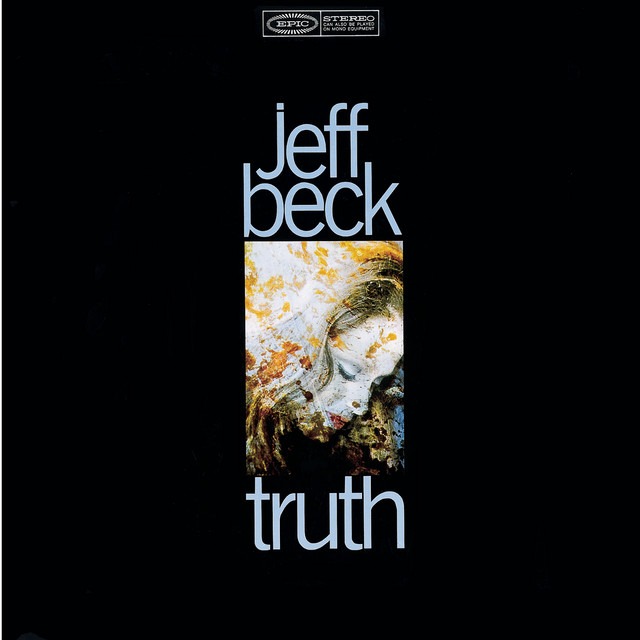
Jeff Beck forged the blueprint for heavy metal and hard rock with the 1968 release of his solo debut masterpiece Truth. After departing the Yardbirds, Beck assembled the formidable Jeff Beck Group, introducing the world to the gravelly roar of Rod Stewart and the versatile fretwork of Ronnie Wood. Recorded in just four days at the peak of the British blues explosion, the album blended eclectic covers of Willie Dixon and Jerome Kern with fierce, distorted reworkings of B.B. King standards. Truth reached number 15 on the Billboard Top LPs chart and remains a factual cornerstone of the guitar-hero era, praised for its primal energy and harmonically ambitious arrangements. Every track on this project reflects a daring spirit of sonic experimentation and a commitment to the raw power of the blues. Witnessing the transition from his pop-oriented singles to this heavy, blues-based revolution is a defining highlight for any fan of rock history.
The Secret Led Zeppelin Prototype
The legendary instrumental “Beck’s Bolero” was a factual dress rehearsal for what would eventually become Led Zeppelin. Recorded in May 1966, the session brought together a superstar lineup of Jimmy Page on rhythm guitar, John Paul Jones on bass, Keith Moon on drums, and Nicky Hopkins on piano. The chemistry between these musicians was so potent that the group discussed forming a permanent band, leading to the famous quip that the idea would go down like a lead zeppelin. Page eventually took the name and the heavy, rhythmic philosophy into his own iconic group two years later.
Keith Moon’s Russian Disguise
To participate in the 1966 recording sessions without alerting his bandmates in the Who, drummer Keith Moon arrived at IBC Studios in a full disguise. He donned large sunglasses and a Russian Cossack hat to remain incognito, hoping to avoid a confrontation with Pete Townshend. Despite the secrecy, the session was pure chaos; halfway through the track, Moon famously smashed the drum microphone with his stick in a fit of excitement. His muffled scream and the crashing cymbals that followed remain a factual, permanent part of the classic recording.
The Fake Live Atmosphere
For the track “Blues Deluxe,” Beck and his team attempted to capture a raw, club-like energy by overdubbing audience reactions from a sound effects record. The intention was to create a live atmosphere that complemented the gritty, improvisational feel of the song. However, Beck later looked back on this technical choice with a factual sense of regret, feeling that the canned applause was unnecessary for such a powerful performance. This experiment highlights the era’s innovative, if sometimes imperfect, approach to studio trickery.
The High-Stakes Cover Girl
The striking cover art for Truth features a double-exposure photograph of the model Celia Hammond, who was dating Beck at the time of the release. Captured by photographer Stephen Goldblatt, the image broke away from the standard band portraits of the late 1960s, leaning into a more artistic and psychedelic aesthetic. This choice mirrored the eclectic nature of the music inside, which jumped from the acoustic serenity of “Greensleeves” to the heavy, distorted blues of “I Ain’t Superstitious.”
The Multi-Producer Dispute
The production credits for “Beck’s Bolero” were a subject of intense disagreement for years among the industry’s heaviest hitters. While pop impresario Mickie Most received the official mandated production credit on the record sleeve, both Simon Napier-Bell and Jimmy Page claimed they were the ones actually behind the glass. Page specifically asserts that he acted as the producer while Napier-Bell disappeared from the studio, leaving Page and Beck to handle the sound treatments and overdubs themselves. This factual conflict underscores the competitive and often overlapping roles in the 1960s London studio scene.