


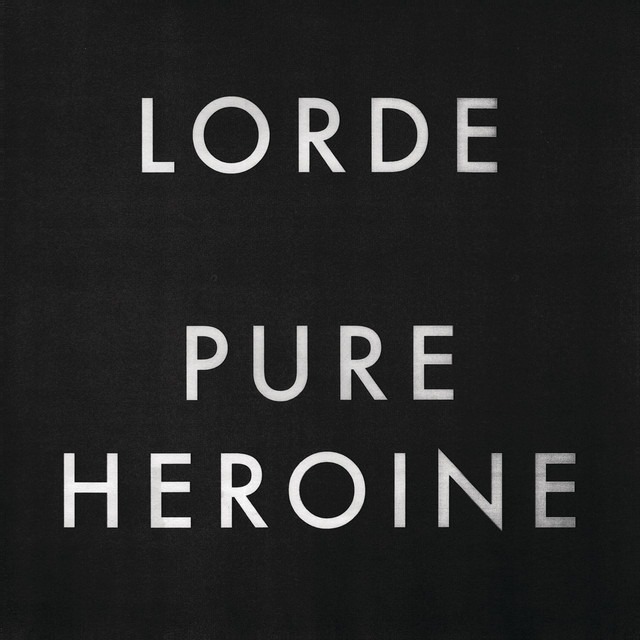
Lorde transformed the landscape of modern pop as a teenager with the 2013 release of her debut studio album ‘Pure Heroine’. Eschewing the high-gloss production of her contemporaries, the New Zealand singer-songwriter collaborated with producer Joel Little at a modest Auckland studio to create a minimalist masterpiece defined by deep bass and smoky, restrained vocals. The record became a massive global phenomenon, selling over 5 million copies and earning a Grammy nomination for Best Pop Vocal Album while influencing a new generation of alternative-leaning artists. Dealing with themes of youth, consumer culture, and the mundanity of suburban life, the album resonated as a factual critique of mainstream fame and social status. Witnessing the transition from an unknown schoolgirl to a chart-topping visionary remains a defining highlight for pop enthusiasts worldwide.
The Half-Hour Songwriting Sprint
Lorde famously wrote the lyrics to her diamond-certified breakthrough hit “Royals” in just thirty minutes at her home in July 2012. Despite the speed of the writing process, the song went on to spend nine weeks at the top of the Billboard Hot 100 and earned multiple Grammy Awards. This incredible efficiency became a hallmark of her early creative process, allowing her to capture the authentic voice of a generation during her school breaks.
Inspired By National Geographic
The iconic title of “Royals” was inspired by a photograph Lorde saw in a July 1976 issue of National Geographic. The image featured Kansas City Royals baseball player George Brett signing baseballs, with the team’s name emblazoned across his shirt. Lorde was so captivated by the aesthetic power of the word “Royals” that she used it to anchor her critique of the extravagant lifestyles often celebrated in hip hop and pop music.
Deliberate Omission Of Filler
During the development of the album at Golden Age Studios, Lorde and her team composed approximately seventeen or eighteen songs. However, the singer made a conscious and factual decision to cut the final tracklist down to just ten songs to ensure a cohesive listening experience. This move was intended to eliminate any “filler material,” a rare display of artistic restraint for a debut artist that helped the album achieve its widespread critical acclaim.
The Canyon-Sized Bass Technique
To achieve the album’s unique sonic identity, Joel Little utilized a production style that relied heavily on loops and canyon-sized bass pulses rather than traditional instrumentation. Because Lorde was unfamiliar with playing instruments at the time, she insisted that her vocals remain the primary focus, floating over minimalist digital blips. This specific technical approach helped define the “dream pop” and “electropop” sound that would eventually be credited with changing the direction of radio hits in the mid-2010s.
A Subtle Call And Response
The album features a clever lyrical “call and response” that connects the opening track to the very last line of the record. The first song, “Tennis Court,” begins with the question, “Don’t you think that it’s boring how people talk?” while the final line of the closing track, “A World Alone,” concludes with the simple statement, “Let ’em talk.” This intentional structure creates a full-circle narrative for the listener, emphasizing the album’s themes of adolescent isolation and the search for authentic connection.