


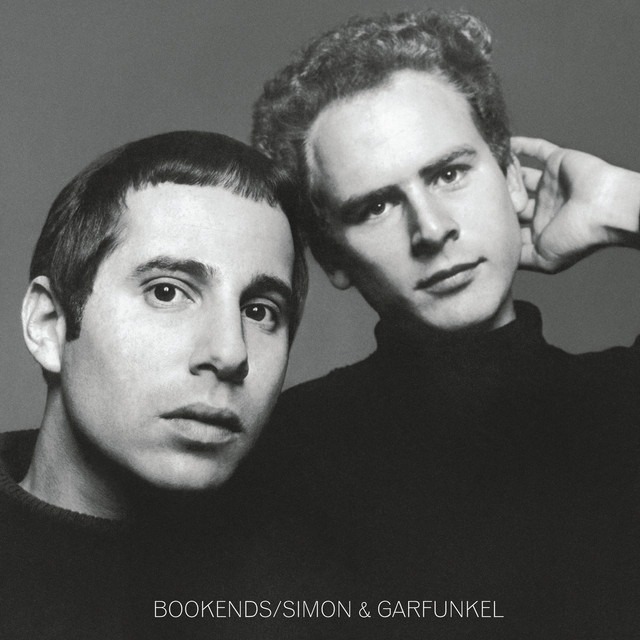
Simon & Garfunkel reached a creative and conceptual zenith with the 1968 release of their fourth studio album Bookends. This ambitious project functions as a poignant meditation on the human life cycle, tracing a journey from the innocence of childhood to the quiet resignation of old age. Produced by the duo alongside the masterful Roy Halee, the album famously features the chart-topping anthem “Mrs. Robinson” and showcased a newfound perfectionism in the studio that rivaled the mid-period work of The Beatles. Bookends became a definitive cultural landmark of the 1960s, reaching number one in both the United States and the United Kingdom. Every track on this project reflects a daring spirit of vulnerability and a factual commitment to capturing the stark, black-and-white sounds of alienation and mortality. Witnessing the transition from their acoustic folk beginnings to this sophisticated, synthesizer-enhanced song cycle remains a defining highlight for any student of American rock history.
The Moog Synthesizer Bassline
In a factual departure from their strictly acoustic roots, the duo utilized cutting-edge technology for the track “Save the Life of My Child.” Producer John Simon recruited Robert Moog, the inventor of the Moog synthesizer, to personally assist in creating the song’s distorted and churning bassline. This session marked one of the earliest high-profile uses of the instrument in folk-rock, providing a jarring electronic texture that perfectly complemented the song’s dramatic narrative of suburban crisis.
The $25,000 Soundtrack Gamble
Director Mike Nichols was so obsessed with Simon & Garfunkel’s music that he listened to their albums nonstop during the filming of The Graduate. Despite Paul Simon’s initial fear that writing for film was a form of selling out, he agreed to a deal worth $25,000 to submit three songs. Nichols famously rejected “Punky’s Dilemma” and “Overs,” but he fell in love with a work-in-progress titled “Mrs. Roosevelt.” At Garfunkel’s suggestion, the name was changed to “Mrs. Robinson” to match the film’s protagonist, despite the song having no finished verses at the time of the pitch.
The 50-Hour Vocal Obsession
The brevity of Bookends belies the massive amount of studio time spent on its production. For the track “Punky’s Dilemma” alone, the team spent over 50 hours in the studio, with the duo often re-recording vocal parts note by note to achieve total harmonic perfection. Paul Simon’s meticulous nature led him to take a dominant role in the arrangements, moving away from the group’s traditional dual harmonies in favor of solo vocal performances that highlighted the album’s themes of individual alienation.
Real Voices of the Elderly
To add a layer of stark realism to the album’s concept of aging, Art Garfunkel spent weeks visiting retirement homes in New York and California with a tape recorder. He captured hours of interviews with the elderly at the United Home for Aged Hebrews, which were edited into the sound collage “Voices of Old People.” These factual, unscripted musings on illness, old photographs, and lost friends provide a haunting and authentic segue into the orchestral turbulence of “Old Friends.”
The Avedon Reflection Mystery
The striking black-and-white cover portrait was shot by Richard Avedon, one of the most prestigious photographers of the 20th century. The image was designed to contrast with the psychedelic, colorful covers of the era, reflecting the album’s moody and serious subject matter. A factual Easter egg for eagle-eyed fans is that Avedon’s own reflection can be seen in Paul Simon’s irises when the original artwork is viewed under close magnification. This high-art aesthetic helped justify Clive Davis’s controversial decision to raise the album’s retail price by one dollar.